



When it comes to email outreach, crafting messages that resonate with your recipients is necessary. Yet there’s a delicate balance between personalization that feels human and messaging that comes off as intrusive—or creepy, even.
This balance is crucial. You want your emails to be relevant and engaging without crossing the line.One method to strike that balance is reflective journaling, a technique that helps you understand your audience and map your messaging thoughtfully behind the scenes.
When you pair journaling with a robust email warm up strategy, like what Warmy offers, you’re taking a step towards the right direction. You are ensuring your messages reach your recipients’ inboxes consistently while maintaining your sender reputation.
How reflective journaling builds empathy before you send
Reflective journaling is the practice of writing down observations, insights, and reflections from your target audience’s perspective. Journaling about your recipients’ needs, challenges, and goals helps you create a library of empathy statements and credible hooks for outreach.
Here’s a quick overview of how you can start exploring reflective journaling:
- Capture observations: Note what you’ve learned about your audience so far. Include pain points, behaviors, preferences, and feedback from past campaigns.
- Reflect on how you’re coming across: Ask yourself what would make your recipient care about your message. Consider what would make them respond positively without feeling targeted or “spied on.”
- Develop empathy statements: Translate your reflections into statements that show understanding, e.g., “I know keeping track of multiple software tools can be overwhelming…”
- Craft credible hooks: Combine empathy statements with value propositions that are realistic and helpful, rather than gimmicky or manipulative. Your messages should be about how you can provide value to your recipients, and not just what you can do or offer.
Over time, these practices will help you build a personalization playbook that you can use as the basis for every email you send.
How to scale outreach without compromising deliverability

Once you’ve got a good grasp on reflective journaling, the next challenge is implementing it by scaling your outreach.
However, sending high volumes of emails from a new or inactive account can trigger spam filters, which reduces engagement and damages your domain reputation. This is whereemail warm up becomes essential.
Why email warmup matters
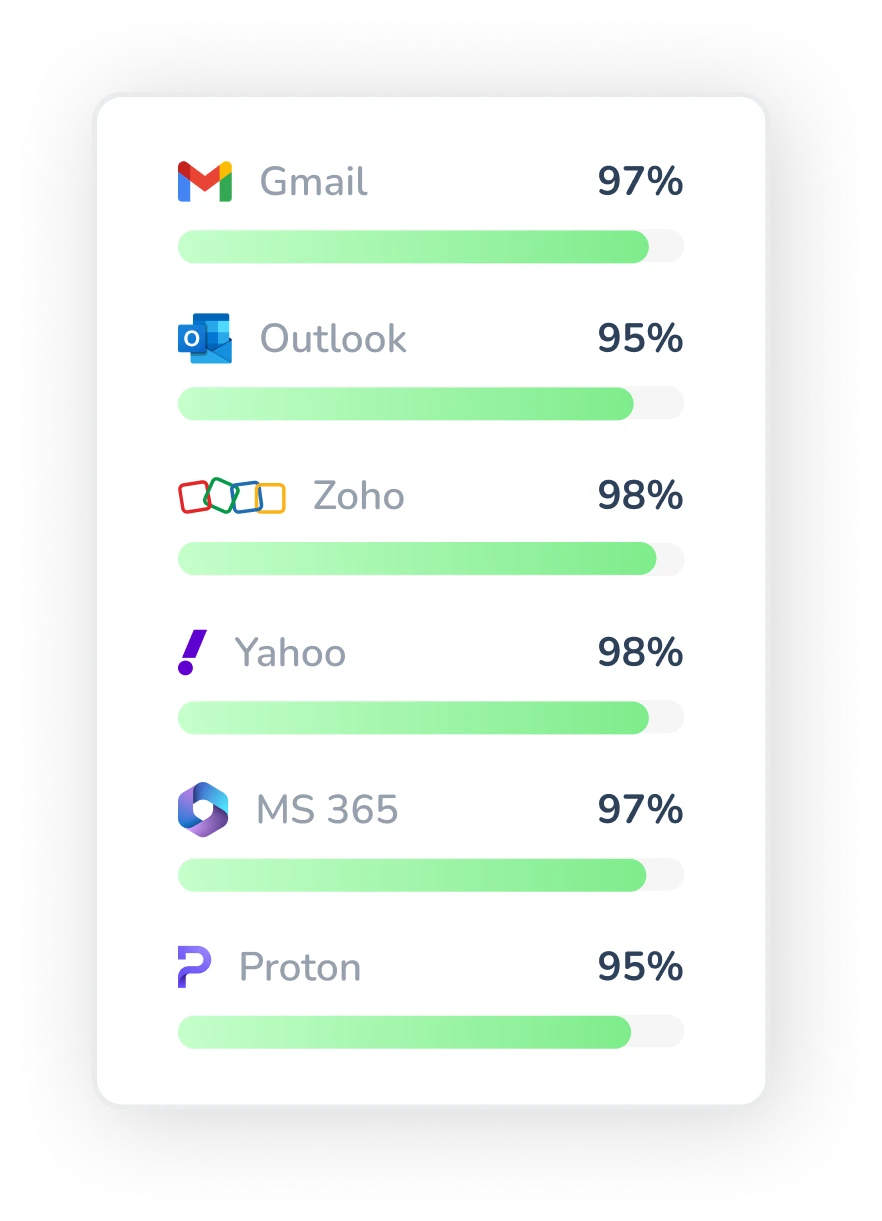
Email warm up tools, like Warmy, work by gradually increasing the volume of emails you send while simulating authentic interactions. This process, called the “warm up,” establishes senders as trustworthy and credible so that email service providers (ESPs) decide to let them land in inboxes, and not the spam folder. Here’s what happens:
- ESPs like Gmail, Outlook, and Yahoo monitor how recipients interact with your emails. Gradual, consistent activity signals that your emails are legitimate.
- Without warm up, new or inactive emails that suddenly send high volumes of emails may land in spam or promotions tabs. This reduces open and reply rates, which damages sender reputation in the long run.
- Email warm up allows teams to send larger campaigns confidently, knowing that deliverability is optimized.
How to effectively combine journaling with warmup
- Segment before scaling: Use insights from your journaling exercises to segment your lists by relevance, interests, or engagement history. This ensures your empathy statements hit the right audience and that you consistently deliver relevant content.
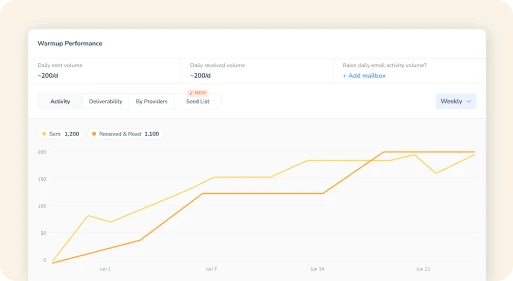
- Increase volume slowly but surely: Begin with smaller batches of emails to build credibility with ESPs. Gradually increase volume as interactions remain positive.
- Monitor engagement metrics: Track opens, clicks, and replies to see which empathy statements resonate best. Adjust your journaling and hooks accordingly. It is also wise to perform a SURBL reputation check during this phase; if your engagement metrics are lower than expected despite great copy, a technical blacklist could be the invisible culprit.
- Stay consistent: Consistency is key for both journaling and warming up. Regularly update your reflections, and maintain ongoing warm up routines to preserve sender reputation over time.
Benefits of combining reflective journaling with email warmup

- Authenticity at Scale: Your outreach maintains a human touch even when automated, avoiding generic or “creepy” messaging.
- Stronger Deliverability: Gradual warm-up ensures emails land in inboxes, increasing the likelihood that recipients see and engage with your content.
- Actionable Insights: Journaling gives you a repository of tested empathy statements and hooks, which can be refined based on engagement results.
- Long-Term Reputation: Your domain stays credible, which benefits all future campaigns, whether for cold outreach, newsletters, or transactional emails.
Experience the best of both worlds
Personalization doesn’t have to feel invasive. Combining reflective journaling with a structured email warm up helps small teams and growing organizations scale their outreach confidently while preserving both authenticity and deliverability.
Start by building a habit of journaling insights from your audience. Then, layer in a warm up process to protect your sender reputation as you grow. This approach ensures your emails are not only delivered but also genuinely relevant and engaging.
With Warmy’s automated email warm up tools, you can maintain your domain’s credibility, optimize inbox placement, and confidently scale outreach without sacrificing personalization or authenticity.


