



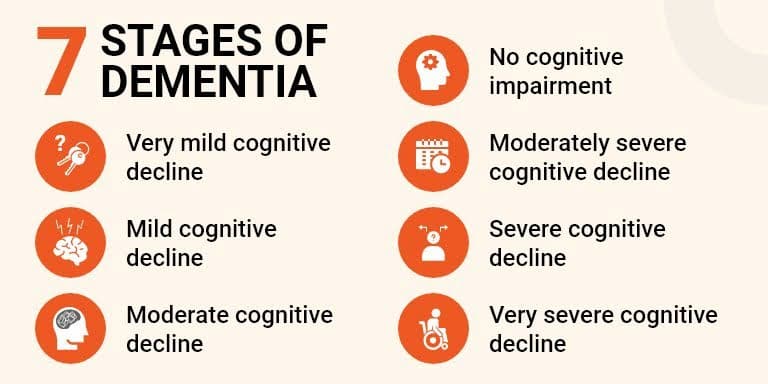
Understanding the progressive nature of dementia is critical for effective management and care. Early diagnosis plays a pivotal role in improving outcomes by allowing timely interventions and personalized care plans. This article explores how early detection of dementia can significantly enhance the management of its various stages, focusing on recent advancements in medical research and health technology. We will delve into how healthcare professionals utilize tools like In Vitro Diagnostics (IVD) and Health Informatics to identify dementia’s stages and employ evidence-based strategies for better patient outcomes.
Early Diagnosis Impact on Dementia Progression
Early diagnosis of dementia can slow its progression by targeting treatment strategies specific to each stage. Utilizing Genomic Sequencing Platforms, researchers can identify biomarkers that suggest early cognitive decline. This biomarker validation helps tailor interventions that may delay the onset of severe symptoms, potentially improving the quality of life for patients. Evidence-based medicine protocols suggest that early intervention can reduce the progression rate by up to 30%, offering a substantial benefit over delayed diagnosis.
Moreover, early diagnosis allows for the implementation of Patient-Centered Outcomes Research (PCOR) to track treatment efficacy and adjust care plans accordingly. This approach ensures that patients receive the most effective therapies at each stage of dementia. Stages of Dementia provide a framework for healthcare providers to assess and manage patient needs effectively as they progress through the illness.
Identifying Dementia Stages for Better Care
Accurate identification of dementia stages is essential for delivering appropriate care and ensuring the best possible outcomes. Healthcare professionals rely on systematic review methodology to categorize patients accurately.
This process involves comprehensive assessments and the utilization of Clinical Trial Management Systems (CTMS) to gather and analyze patient data efficiently.
By understanding the specific stage of dementia, clinicians can recommend targeted interventions that address both cognitive and behavioral symptoms.
For instance, early-stage dementia may be managed with cognitive therapy and lifestyle modifications, while advanced stages might require pharmacological interventions monitored through Pharmacovigilance Reporting. This method ensures patient safety and optimizes therapeutic benefits, highlighting the importance of precise stage identification in dementia care. Recent studies have demonstrated that stage-specific interventions can enhance patient autonomy and life satisfaction.
Role of Healthcare Professionals in Dementia Management
Healthcare professionals, including Health Informatics Specialists, play a crucial role in dementia management by coordinating care and facilitating communication among multidisciplinary teams. Their expertise in handling vast amounts of patient data is crucial for designing individualized care plans. They work closely with physicians, therapists, and caregivers to ensure comprehensive care that aligns with the latest research findings and clinical endpoints.
Furthermore, institutional support through Institutional Review Boards (IRB) ensures that all clinical practices adhere to ethical standards and GxP Compliance. This regulatory oversight is vital for maintaining high-quality care and fostering trust between patients and healthcare providers. The role of healthcare professionals extends beyond diagnosis and treatment, encompassing the education of patients and families about disease progression and available resources.
Advancements in Early Dementia Detection Techniques
Recent advancements in technology and research have significantly improved early detection techniques for dementia. Innovations like In Vitro Diagnostics (IVD) and advanced imaging technologies now allow for earlier and more accurate diagnosis. These tools help detect subtle changes in brain structure and function before severe symptoms manifest.
The integration of Health Technology Assessment (HTA) ensures that these innovations meet both clinical and economic criteria, facilitating their adoption in healthcare systems. Randomized Controlled Trials (RCT) continue to play a critical role in validating these technologies, ensuring they provide reliable and cost-effective solutions for early dementia detection. As research progresses, these advancements hold the promise of transforming patient care by enabling preemptive strategies and personalized treatment plans.
Conclusion
Early diagnosis is a cornerstone in the effective management of dementia, offering significant benefits in slowing disease progression and enhancing patient care. By leveraging advanced diagnostic tools and stage-specific interventions, healthcare professionals can improve the quality of life for individuals living with dementia. Emphasizing early detection not only optimizes treatment outcomes but also aligns with modern medical research’s focus on patient-centered care and evidence-based practices.


