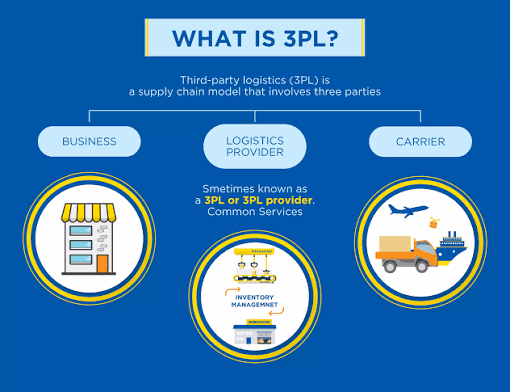
Rapid growth puts pressure on every part of fulfillment. Order counts climb, channels expand, and customer expectations leave little room for missed delivery windows. Many brands reach a point where warehouse capacity, staffing depth, and freight coordination begin to slow progress. A capable logistics partner helps relieve that strain. With stronger execution across storage, shipping, and order handling, brands gain room to grow without sacrificing service quality or speed.
One Partner, Fewer Delays
As volume rises across stores, online orders, and wholesale accounts, coordination becomes harder to manage inside separate systems. Many operators review Saddle Creek logistics services when evaluating how a single provider can integrate warehousing, transportation, and fulfillment into a shared process. That kind of alignment reduces handoff errors, shortens response time, and gives decision makers a clearer view before small breakdowns affect customers, inventory accuracy, or delivery commitments.
Inventory Closer To Buyers
Product moves faster when stock sits near demand centers. A partner with facilities across multiple regions can shorten transit zones and reduce pressure on a single building. That placement helps brands replenish shelves sooner and support direct shipments with less strain. Returns also move through the system more efficiently when goods land near the customer base. Shorter distances often create lower parcel spend and steadier delivery performance.
Better Freight Flow
Transportation performance starts with planning, not with the truck at the dock. Experienced operators manage carrier mix, routing, appointments, and exception handling through one operating rhythm. Fewer manual steps usually mean fewer missed pickups or arrival issues. Brands benefit from a steadier shipping cadence, while customers receive on-time orders more often. That reliability matters during launches, promotions, and store resets, when timing directly affects revenue.
Clear Data, Faster Action
Growth creates more choices every day, and each one carries a cost. A strong partner provides timely visibility into orders, inventory, and shipment status, so teams can respond before service slips. Leaders can spot slow stock, protect high-demand items, and adjust replenishment earlier. Better information supports cleaner execution across channels. It also helps customer service teams answer questions with confidence, rather than reacting after a delay spreads.
Labor That Scales
Workforce planning takes time that growing brands rarely have. Recruiting crews, training supervisors, and setting safe routines can slow expansion when demand moves quickly. An outside logistics team already has operating discipline, floor leadership, and labor planning in place. That readiness lets brands add capacity without having to build each process from the ground up. It also reduces early errors during facility launches or during seasonal volume increases.
Peak Readiness Matters
Busy periods expose weak points faster than any audit. Holiday demand, product drops, and major promotions can flood a network within days. A partner that handles variable volume usually prepares earlier, reserving labor, space, and transportation before the surge hits. Preparation protects order accuracy, which matters as much as transit speed during stressful periods. Retail buyers and end customers notice that difference almost immediately.
The Right Network Shape
Growth depends on network design as much as daily execution. One brand may need coastal distribution points, while another performs better from a central location with strong final-mile reach. A logistics partner can compare shipping patterns, service targets, and order density before recommending a model. That guidance helps brands expand with fewer costly resets later. It also leaves room for new channels, product lines, or regional demand shifts.
Costs Stay In View
Costs rise quickly when operations span across disconnected vendors. Storage charges, parcel invoices, and service penalties often appear separate, even when a single issue drives all three. A unified logistics partner can see those links and correct problems earlier. Brands then make decisions based on a fuller cost picture, rather than reacting after margins tighten. Clearer cost visibility supports better pricing, purchasing, and inventory planning over time.
More Focus For Leaders
Senior teams should spend time on product strategy, channel growth, and customer experience, not daily warehouse triage. When execution moves to a trusted outside operator, internal staff can focus on work that drives revenue and long-term planning. That shift often improves decision quality because each team works at the proper level. Leaders gain more capacity for forecasting, partnerships, assortment planning, and expansion into new markets.
Conclusion
Brands scale faster when logistics stops acting like a bottleneck and starts functioning as a coordinated system. The right partner improves inventory placement, freight control, labor flexibility, data visibility, and cost discipline in ways that reinforce one another. Those gains help protect service as demand rises across channels. Over time, companies ship more reliably, respond faster to change, and build a supply chain that supports growth without sacrificing customer trust.