

Introduction
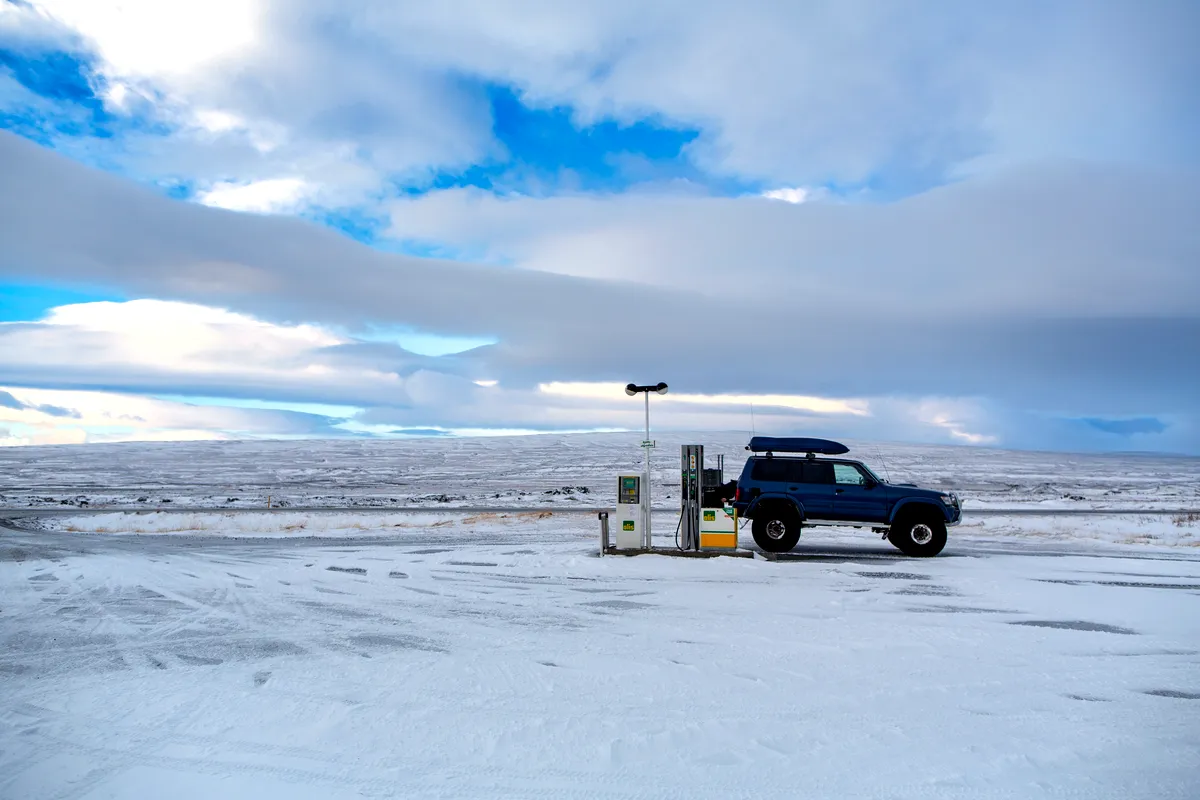
With its rugged landscapes and stunning natural beauty, Iceland is a dream destination for many travelers. However, as 2025 approaches, it’s crucial for tourists planning a trip to the Land of Fire and Ice to consider an essential aspect of their travel budget: gas prices. Understanding the fuel cost landscape in Iceland can help tourists better plan their adventures, ensuring they experience all the country has to offer without unexpected financial strain.
Gas Prices: A Foreseeable Trend
The fluctuating nature of gas prices in Iceland should be an essential consideration for anyone planning a trip. As of 2025, these prices remain heavily influenced by global oil markets, local tax policies, and Icelandic energy regulations. Tourists should anticipate prices to be higher than in many countries, a reality partly due to Iceland’s geographic isolation and the costs associated with importing fuel.
Nevertheless, Iceland’s commitment to sustainability might usher in changes in fuel types, such as more widespread use of biofuels or other renewable energy sources. This shift could stabilize prices in the long term, offering more budget-friendly travel experiences for tourists. For visitors, understanding these trends means being prepared for their journey’s financial and environmental aspects.
Navigating Car Rentals in Iceland
For many tourists, renting a car is the best way to explore Iceland’s diverse landscapes, from Reykjavik’s bustling streets to the Ring Road’s serene vistas. With gas prices being what they are, choosing the right vehicle and rental company is crucial. Leading car rental companies like Cars Iceland offer various vehicles to suit various travel needs, each equipped with options to efficiently handle Iceland’s unique terrains.
The importance of exceptional customer support cannot be overstated. Car rental companies in Iceland understand the challenges tourists might face and often provide 24/7 assistance, ensuring travelers can explore with peace of mind. Moreover, rental insurance is a must, covering potential incidents in a country known for its unpredictable weather conditions. Tourists can enjoy the beauty of Iceland while knowing they are fully supported and protected during their journey.
Making the Most of the Icelandic Road Trip
Though gas prices are a factor, they need not deter you from embarking on an Icelandic road trip. Planning is key. Start by choosing a fuel-efficient vehicle; many car rental agencies offer hybrid and smaller engine options that consume less fuel. These choices help alleviate the higher price at the pump.
Additionally, be strategic with your route. The popular Ring Road, only 1,332 kilometers long, can be done leisurely, minimizing fuel consumption if stops are well-planned. Tourism sites and local services along the route provide convenient rest stops and refueling options, allowing tourists to explore without the urgency of frequent fill-ups.
Embracing Renewable Energy Solutions
Iceland’s pioneering spirit in renewable energy extends to transportation, offering tourists enticing fuel alternatives. The emergence of more electric vehicle (EV) chargers across Iceland has made EV rentals a viable option. Despite the high initial costs for EV rentals, savings are realized through electricity, which is cheaper than traditional fuels due to Iceland’s geothermal and hydroelectric power sources.
This transition aligns with Iceland’s broader carbon neutrality goals and provides tourists with an environmentally conscious travel option. Understanding the location of charging stations and planning ensures a seamless trip that is lighter on the wallet and the planet.
Budgeting for Gas Costs
When budgeting, tourists should allocate a reasonable portion of their travel budget to gas expenses, particularly if planning extensive driving. Comparing anticipated fuel costs with available travel funds allows better allocation towards experiences rather than logistics. Using route planning apps that account for fuel consumption based on car type can help predict expenses more accurately. Such tools, often accompanying car rental services, allow travelers to adjust plans on the go, adapting to Iceland’s beauty and challenges without financial stress.
Conclusion
Despite the realities of higher gas prices than some may be accustomed to, a road trip through Iceland remains a uniquely rewarding experience. Awareness and preparation are crucial; understanding the factors influencing gas prices and selecting the right vehicle certainly lay the groundwork for an unforgettable journey.
With strategic planning and mindful resource use, tourists can fully immerse themselves in the breathtaking Icelandic landscape without undue concern over fuel budgets. This combination of adventure and awareness makes exploring Iceland possible, highlighting its natural wonders in 2025 and beyond.
