



The modern entrepreneur faces a paradox: the drive to build something meaningful often comes at the expense of the body that makes it possible. Long hours, chronic stress, and the relentless pace of decision-making take a toll—particularly on the liver, an organ responsible for filtering toxins, metabolizing nutrients, and maintaining energy levels.
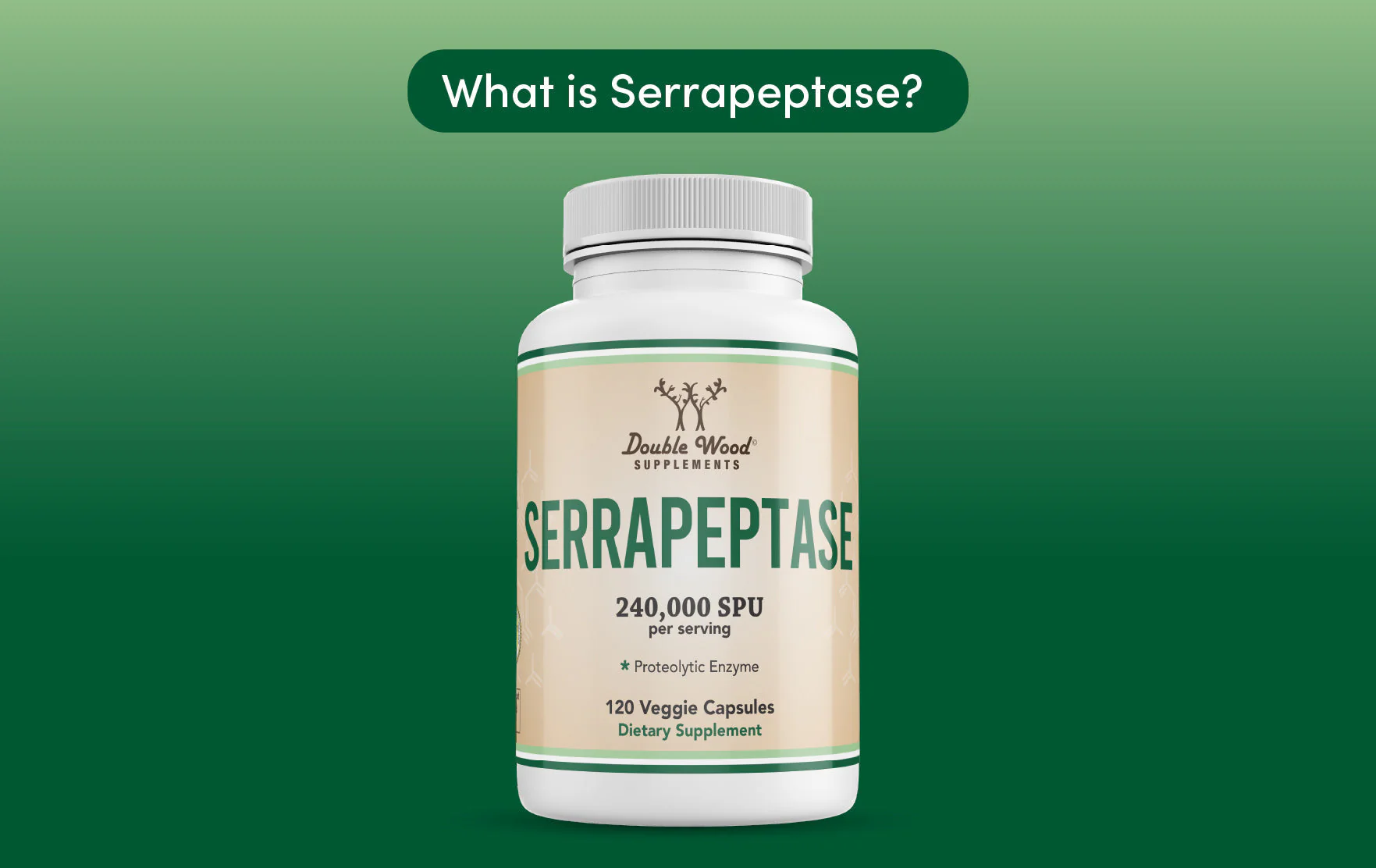
Enter serrapeptase, a proteolytic enzyme originally isolated from the digestive system of silkworms. While it’s been used for decades in Europe and Asia for inflammation and pain management, recent interest has centered on its potential role in supporting metabolic health, breaking down problematic biofilms, and managing scar tissue. For founders and executives who can’t afford downtime, understanding how this enzyme might fit into a broader health strategy is worth exploring.
How Serrapeptase Works in the Body
Serrapeptase belongs to a class of enzymes that break down proteins into smaller peptides and amino acids. This proteolytic activity is what gives it anti-inflammatory properties—by degrading inflammatory mediators and dead tissue, it may help the body clear debris more efficiently.
The liver relies heavily on enzymatic processes to function. It produces and uses enzymes to metabolize fats, process medications, and neutralize toxins. According to Cleveland Clinic, enzymes are essential to nearly every biochemical reaction in the body, including those that support detoxification pathways.
While serrapeptase isn’t produced by the liver itself, its systemic effects—particularly its ability to reduce inflammation and support protein turnover—may indirectly benefit liver function. For entrepreneurs managing stress-related inflammation, this could translate to better energy regulation and metabolic resilience.
The Biofilm Problem: Candida and Chronic Inflammation
Biofilms are protective matrices formed by microorganisms like Candida albicans, a yeast that can overgrow in the gut and other tissues. These biofilms shield pathogens from the immune system and antifungal treatments, making infections difficult to resolve. Research published in Infection and Immunity underscores how biofilm formation contributes to persistent candida infections and systemic inflammation.
For high-performing individuals, chronic low-grade inflammation can manifest as brain fog, fatigue, and digestive issues—symptoms that directly undermine productivity. Serrapeptase’s ability to degrade the protein structures within biofilms may help disrupt these protective barriers, allowing the immune system and treatments to work more effectively.
While more clinical research is needed, anecdotal reports and preliminary studies suggest that proteolytic enzymes like serrapeptase can play a supportive role in managing biofilm-related conditions. This is particularly relevant for entrepreneurs who may be dealing with gut dysbiosis or candida overgrowth as a result of stress and irregular eating patterns.
Scar Tissue and Recovery
Scar tissue isn’t just a cosmetic concern. Internal adhesions from surgery or injury can restrict movement, cause discomfort, and interfere with organ function. Serrapeptase has been studied for its potential to break down fibrin and other proteins that form scar tissue, promoting smoother healing and reducing stiffness.
Natural approaches to scar management often focus on reducing inflammation and supporting tissue remodeling. Serrapeptase fits into this framework by targeting the structural proteins that contribute to fibrosis.
For entrepreneurs recovering from surgery or managing old injuries, this could mean faster recovery times and less physical limitation—critical factors when you’re trying to stay active and engaged in your business.
Practical Considerations for Use
If you’re considering adding serrapeptase to your regimen, here are some evidence-based guidelines:
- Dosage: Typical doses range from 10,000 to 60,000 SPU (serratiopeptidase units) per day, depending on the intended use. Start on the lower end and adjust based on response.
- Timing: Take serrapeptase on an empty stomach—ideally 30 minutes before meals or two hours after—to maximize absorption and enzymatic activity.
- Interactions: Serrapeptase may enhance the effects of blood thinners and certain antibiotics. If you’re on medication, consult a healthcare provider before starting.
- Quality matters: When selecting serrapeptase, it’s advisable to choose enteric-coated formulations that help protect the enzyme from degradation in stomach acid. Options from Liver Medic are designed with bioavailability in mind, while comparable products from Doctor’s Best and NOW Foods also incorporate similar delivery considerations.
- Consistency: Enzymes work best with regular use. Sporadic dosing is unlikely to produce noticeable benefits.
As with any supplement, individual responses vary. What works for one person may not work for another, and serrapeptase is not a substitute for medical treatment or lifestyle changes.
The Bigger Picture: Health as a Business Asset
Entrepreneurs often treat their health as secondary to their work. But the reality is that cognitive performance, decision-making, and resilience are all downstream of metabolic health. The liver plays a central role in this system, and supporting it—whether through supplementation, diet, or stress management—can have outsized returns.
Serrapeptase is not a miracle cure, but it represents a tool that may help address specific issues: inflammation, biofilm disruption, and tissue remodeling. For those navigating the demands of building a business, these benefits can translate into tangible improvements in energy, recovery, and overall well-being.
Before starting any new supplement, especially if you have underlying health conditions or are taking medications, consult with a qualified healthcare provider. Personalized advice is essential to ensure safety and efficacy. Your health is not a luxury—it’s infrastructure. Treat it accordingly.


