



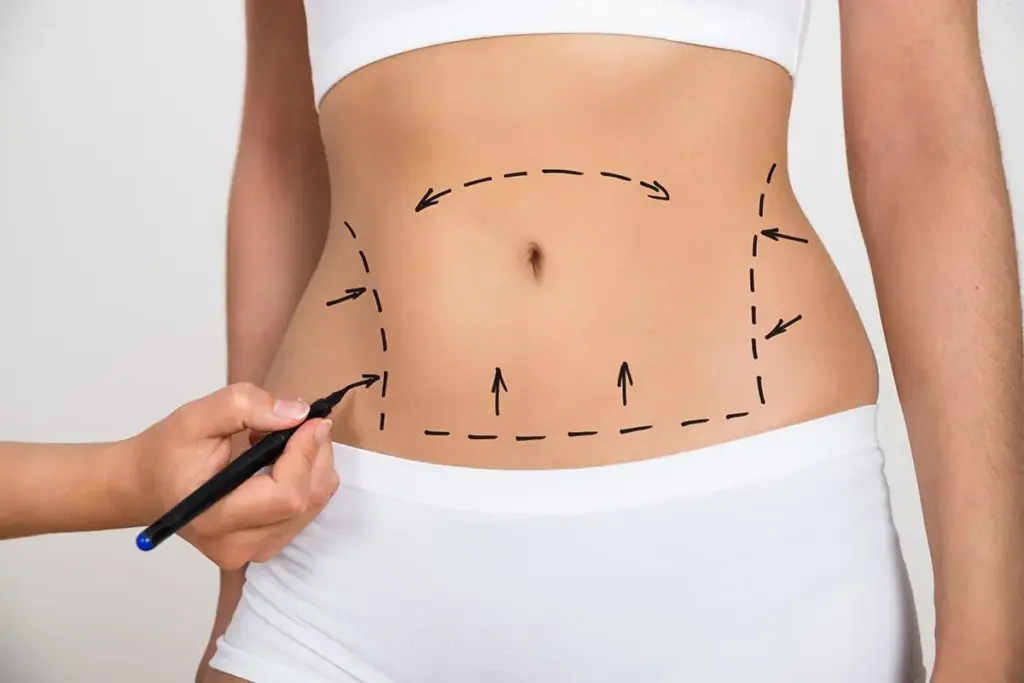
TL;DR: A body lift is a surgical procedure that removes excess skin and reshapes the underlying tissue across multiple areas of the body, most often the abdomen, lower back, hips, buttocks, and thighs. It is typically performed after significant weight loss when skin elasticity cannot recover on its own. Real candidates need stable weight, good overall health, realistic expectations, and a board-certified plastic surgeon leading the operation.
A body lift is one of the most transformative procedures in plastic surgery, and also one of the most demanding. It addresses the structural reality that follows major weight loss, where skin and connective tissue have stretched beyond the point at which they can return to a contoured shape on their own. For patients who have done the hard work of losing significant weight, whether through bariatric surgery, GLP-1 therapy, or sustained lifestyle change, the residual skin laxity often becomes the single biggest obstacle between the result they earned and the result they see in the mirror. A body lift is the surgical answer to that gap, but it is a serious operation that demands a serious surgeon, a thorough evaluation, and a recovery commitment most patients underestimate going in.
What a Body Lift Actually Involves
A body lift is not a single procedure with a fixed footprint. The term refers to a category of surgical contouring procedures that address loose skin and underlying tissue across larger sections of the body than a tummy tuck or thigh lift alone can reach. The most common variation is the lower body lift, which addresses the abdomen, lower back, hips, buttocks, and outer thighs through a circumferential incision around the torso. Upper body lifts address the chest, upper back, and arms. Some patients pursue both staged operations, while others combine targeted areas based on where their loose skin is most pronounced.
Lower Body Lift
A lower body lift is built around a 360-degree incision that allows the surgeon to lift and reshape tissue along the entire lower torso. The procedure typically combines elements of an extended tummy tuck, a buttock lift, and an outer thigh lift. The incision is positioned so it can be concealed beneath clothing, and the underlying tissue is repositioned and tightened to create a smoother, more contoured silhouette. Operative time runs several hours, and the procedure is performed under general anesthesia in an accredited surgical facility.
Upper Body Lift
An upper body lift addresses the chest, upper back, and bra-line area, often combined with an arm lift, also known as a brachioplasty. After significant weight loss, many patients carry residual skin in the upper body that no amount of strength training can resolve. The procedure removes excess skin through carefully placed incisions and tightens the underlying tissue to restore a tighter contour. Like the lower variation, it is a major surgery requiring general anesthesia and structured recovery.
Combination Approaches
Some surgeons perform a circumferential body lift in combination with additional procedures during a single operation, while others stage the work over multiple surgeries spaced months apart. Staging reduces operative time and recovery burden in a single sitting, but it extends the overall timeline and adds the cost of multiple anesthesia events. The right approach depends on the patient’s anatomy, health status, recovery support, and the surgical judgment of the operating physician. This is one of many decisions that should be made in conversation with a board-certified plastic surgeon, not selected from a menu online.
Who Is a Good Candidate
The strongest candidates for a body lift are patients who have reached and maintained a stable weight, are in good overall health, are non-smokers, and have realistic expectations about what surgery can and cannot deliver. Stable weight is critical because significant weight gain or loss after the procedure can compromise the result. Most surgeons require patients to be at or near their goal weight for at least six to twelve months before scheduling.
Health Considerations
Underlying conditions that affect wound healing, anesthesia tolerance, or surgical risk must be addressed before a body lift can be safely performed. These include uncontrolled diabetes, smoking, certain cardiovascular conditions, and nutritional deficiencies that are common in post-bariatric patients. A thorough preoperative workup includes lab work, medical clearance from a primary care physician, and a detailed conversation about medications, supplements, and recovery support at home.
Realistic Expectations
A body lift is a contouring procedure, not a weight loss procedure. It removes excess skin and reshapes underlying tissue, but it does not fundamentally alter body fat or replicate the look of a body that has never carried significant weight. Scarring is permanent, and while skilled surgeons place incisions strategically, patients should understand that visible scars are part of the trade. The procedure produces dramatic improvements for the right candidates, but those improvements come with a recovery, a commitment, and a permanent reminder of the operation.
What Recovery Looks Like
Recovery from a body lift is significant, and patients who underestimate it often struggle in the first weeks. Most patients spend at least one night in a surgical facility or hospital, return home with surgical drains in place, and require help with daily activities for the first one to two weeks. Compression garments are worn for several weeks to support healing tissue and minimize swelling. Most patients return to desk work within four to six weeks and resume more vigorous activity gradually over two to three months.
Pain Management and Mobility
Pain in the first several days is managed through a combination of prescription medication, positioning, and gradual movement. Walking is encouraged early to reduce the risk of blood clots, but bending, twisting, and reaching are restricted. Sleeping is typically done in a partially upright position for the first weeks to reduce strain on the incision lines.
Long-Term Healing
Final results take months to fully appear. Swelling resolves gradually, scars mature over a year or more, and the contour continues to refine as tissue settles. Patience is part of the process. Patients who follow their surgeon’s instructions, maintain a stable weight, and complete their follow-up visits consistently see the strongest long-term outcomes.
When to Consider a Body Lift in Your Weight Loss Journey
Timing matters as much as technique. Many patients ask their surgeon about contouring before they have actually reached the point where surgery makes sense. The general guidance among experienced plastic surgeons is to wait until weight has been stable for at least six to twelve months, nutritional status is optimized, and any underlying conditions that affect healing have been addressed. Patients coming off bariatric surgery, GLP-1 therapy, or sustained lifestyle change often see continued small fluctuations for months after they hit their goal weight, and operating before that plateau can compromise the long-term result. Patience at this stage protects the investment.
The decision to pursue body lift surgery is also deeply personal, and it should be made with a board-certified plastic surgeon who is willing to tell you when the timing is wrong, not just when it is right. The strongest surgical relationships are built on honest evaluation rather than transactional scheduling. Patients who feel pressured to book before they are ready, or who are told that any timing is fine, are not getting the level of clinical judgment this procedure demands. The right surgeon will sit with you, examine your anatomy, ask about your trajectory, and give you a recommendation grounded in what will produce the best result for your specific situation. That conversation is worth waiting for.
Choosing the Right Surgeon
A body lift is a high-stakes operation that should be performed only by a board-certified plastic surgeon with documented experience in post-weight-loss body contouring. The surgeon’s training, the accreditation of the surgical facility, and the protocols for emergency response all matter. Cost-driven shortcuts are a particularly bad idea in this category of procedure, because the consequences of a complication are significant and the cost of revision is often higher than the original operation.
Questions to Ask in Consultation
Bring direct questions to every consultation, and weigh the answers carefully:
- Are you board-certified in plastic surgery, and what is your experience with body lifts specifically
- How many of these procedures have you performed in the past year
- Where will the surgery be performed, and is the facility accredited
- What anesthesia approach will be used, and who administers it
- What is your complication rate, and how are revisions handled
- May I see the before-and-after results from patients with concerns similar to mine
- Is your practice independently certified or accredited
The strongest surgeons answer these questions directly because their results stand behind them. Hesitation, deflection, or pressure to schedule are warning signs you should take seriously.
How WLC Helps Patients Find Trusted Body Lift Surgeons
World’s Leading Clinics evaluates plastic surgery practices through an independent assessment built around safety, patient experience, facility operations, work culture, and outcomes. Patients considering a body lift can explore certified doctor-led practices through the WLC directory, knowing each listed clinic has been vetted on the dimensions that predict good surgical outcomes. Certification is awarded only to practices that meet documented benchmarks and is renewed annually through ongoing review. For a procedure with this much at stake, that level of independent verification is worth the time it takes to use it.
The Bottom Line
A body lift can deliver a dramatic, life-changing result for the right candidate. It is also a major surgery that demands a serious surgeon, a thorough evaluation, and a real recovery commitment. Patients who have done the hard work of significant weight loss deserve a surgical team that takes the rest of the journey just as seriously. Verify credentials, ask direct questions, and lean on independent certification to filter the field. The right surgeon and the right preparation are what turn a body lift from a risky proposition into the meaningful conclusion of a long transformation.


