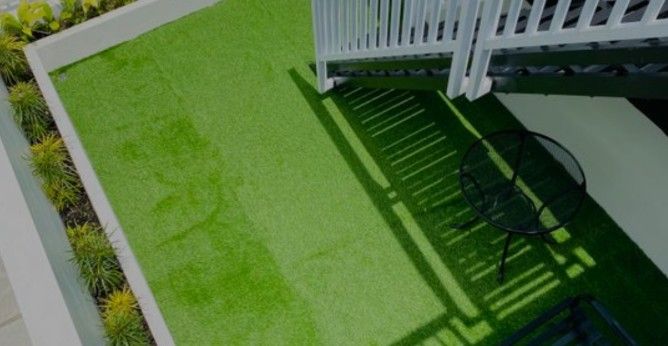
Ask three LA homeowners who had turf installed in the last two years. Odds are, at least one of them found something wrong before the first summer ended. Seams pulling up. Drainage pooling after rain. An installer who stopped returning calls the week the check cleared.
The artificial turf installation companies in Los Angeles range from operators who have been doing this work for over a decade to crews who figured out there was money in it and started running ads last year. Both groups will give you a quote. Both will say the same things about quality and warranty. The difference shows up later, when the base compresses wrong or the product warranty turns out not to apply to the specific issue you have.
LA homeowners are spending between $8 and $18 per square foot on residential installs right now. That range moves based on yard access, grade, and brand — not quality alone. Pick the wrong installer at the low end and you’ll spend more fixing it than if you’d gone with someone reputable from the start. Here’s how to avoid that.
What to Look for Before You Choose a Turf Installer
Price matters. It’s just not the first thing to evaluate. Three other factors separate a good installer from one you’ll regret.
Licensing and Warranty Coverage
Every real turf install involves excavation and grading. In California, that requires a C-27 Landscaping Contractor license. Ask for the number before you schedule anything. Not after — before.
Two minutes on the California Contractors State License Board site tells you whether the license is real and current. If a company hesitates to hand it over, you already have your answer.
Warranty is the other thing to nail down before anyone shows up. Product warranties on quality turf run 10 to 15 years — covering fiber breakdown, UV damage, and backing failure. Labor is shorter, usually one to two years from installation.
What voids it matters more than most people check. Sharp object damage. Chemical exposure. Work done by anyone other than the original licensed installer. Those are standard exclusions. Get the full list in writing before the crew arrives, not as a verbal summary after the deposit clears.
And honestly, the warranty conversation alone filters out half the installers you’ll get quotes from. A company that can’t hand you a written warranty document before the job starts is telling you something.
Turf Brands and Product Specifications
Thing is, the turf brand matters more than most homeowners expect. Face weight is the number to pay attention to. Measured in ounces per square yard. It tells you more about quality than any sales pitch.
Most residential installs in Encino, Culver City, and Pasadena land between 50 and 70 ounces. Anything under 40 is entry-level — put it in an LA backyard with full sun year-round and it starts looking worn inside three seasons.
Ask about pile height. Ask about infill. Silica sand is the common choice: simple, low-maintenance, no real downsides for most yards. Crumb rubber is a different story. A lot of California installers have already moved away from it. CalRecycle has documented the health and recycling concerns, and the industry has been shifting toward organic alternatives. If the yard gets used by kids or dogs daily, ask specifically about organic infill options. (It’s also considerably better underfoot in a Burbank backyard at 95 degrees.)
Sub-Base Preparation
This is where cheap installs fall apart. Not immediately, but within two or three years.
A proper sub-base in Los Angeles means three to four inches of compacted decomposed granite over a weed barrier, graded for drainage. LA’s clay soil doesn’t drain on its own, so a base that isn’t properly graded turns into a pooling problem every time February rolls around. Ask every installer to explain their base prep process in specific terms. A company that waves this off, or tells you the existing soil looks fine without actually digging, is saving money on the one part of the job you’ll never see again once the turf goes down.
9 Artificial Turf Installation Companies in Los Angeles
1. Elevated Seasons

Glendale to the coast. That’s the service territory. The scope is full-service: site assessment, existing lawn removal, base prep, turf selection, installation, and infill application — all under one agreement. Artificial turf installation in Los Angeles from Elevated Seasons isn’t broken into separate contracts or handed off between crews.
No deposit gets collected before a written proposal is signed. That proposal lists the turf brand, face weight, infill type, base depth, and warranty terms. All of it. Product warranty runs 10 to 15 years through the manufacturer. Labor coverage is one to two years from installation. Both documented before anyone starts work.
Still on the fence about whether your yard needs converting? Their resource on signs it is time to replace your lawn with turf walks through the specific indicators that make the switch the practical call for an LA property.
2. SYNLawn California
SYNLawn California is one of the larger artificial turf manufacturers and installers operating in Southern California. Their products are made domestically and meet Synthetic Turf Council performance standards. Look, for hillside properties in the Hollywood Hills or Studio City with wildfire exposure, their fire-resistant turf products are worth asking about specifically. They work on residential lawns and commercial properties and carry a full range of face weights and infill systems.
3. ForeverLawn Southern California
ForeverLawn is a regional installer for a national brand, covering Los Angeles and the surrounding counties. Their focus is natural-looking residential lawn replacement using high face-weight turf that holds up under daily foot traffic across a full LA year. They handle projects with tricky drainage needs, and warranty service is managed locally rather than routed through a national service line. That distinction matters when you actually need to use coverage.
4. Purchase Green Artificial Grass
Purchase Green operates showrooms and an installation service across Southern California. You can compare turf samples in person at their LA locations before committing to a product. That’s more useful than it sounds. Most homeowners haven’t seen a 50-ounce face weight next to a 65-ounce face weight until they’re standing in a showroom, and the difference is obvious. They carry more than 50 varieties across price points, with licensed crews available for installation.
5. Southwest Greens Southern California
Southwest Greens covers putting greens and residential lawn replacement across LA County. If part of your backyard project involves a putting surface, they’re one of the few installers in the area with actual experience in the grade tolerances and specific infill systems those projects require. For standard lawn replacement, they install landscape turf as well, serving the Westside, the Valley, and the South Bay.
6. Bella Turf
Silver Lake, Los Feliz, Burbank, Glendale. That’s Bella Turf’s territory. Residential only — no big commercial jobs.
Their process: site visit, written quote, base prep, install, cleanup. Five steps, nothing hidden in between. What they’ve gotten known for is seaming — getting multiple turf pieces to meet cleanly at a curved or irregular edge without visible gaps or lifting down the road. That’s a harder skill than it sounds.
7. Turf Pros Solution
Turf Pros Solution works across greater LA. Residential installs, some light commercial work.
Licensed. Insured. C-27 classification. Projects range from a small side-yard courtyard all the way up to full backyard conversions well over 2,000 square feet. Their quotes are itemized: materials, labor, and base prep listed as separate line items. That makes comparing bids against other installers a real comparison instead of trying to decode why one total is lower than another.
8. California Turf
Ten-plus years working in the LA market. California Turf carries multiple brands and handles projects from balcony installs to large residential yards.
Where the experience shows up is in how they spec each job. Clay soil drainage, UV degradation from 300-plus days of sun per year — those are LA variables that change the base build and the infill recommendation. A company that started operating last year hasn’t had time to calibrate for them yet.
9. West Coast Turf
West Coast Turf is one of the bigger sod and turf suppliers in California and extends into artificial grass installation across Southern California. They grow and supply natural sod as well, which gives their crews practical experience comparing how artificial turf performs under the same conditions where natural grass struggles in LA: summer heat, clay soil, water restrictions. Installation covers residential conversions throughout LA County, with particular experience in large-format yards that need precise grading to drain correctly.

Get two written quotes. That’s the single move that changes what happens next more than anything else on this list.
A real proposal specifies the turf brand and product name, face weight in ounces per square yard, pile height, infill type and quantity, base depth, and whether a permit is required for the project. A quote that says “artificial turf installation” with a price per square foot and a total at the bottom tells you nothing about what’s actually being installed. And it gives you no ground to stand on if the installer swaps the product or shaves the base prep once the job starts.
Ask each company what their base prep process looks like for clay soil specifically. Ask what the warranty covers and what voids it. Ask whether they carry liability insurance and workers compensation, not just a contractor license. A company that answers all of those questions clearly, before you’ve signed anything, is worth more than one that comes in 15 percent cheaper and can’t answer the basics.
Water savings in LA are real. LADWP’s tiered pricing means every gallon a converted lawn stops using shows up on the next bill — not buried somewhere in a yearly average.
A turf lawn installed correctly — right base depth, right face weight for the yard, right infill — holds up 15 years or more. Minimal maintenance. No irrigation system to chase down repairs on.
The difference between a quality install and a cheap one isn’t obvious when the job finishes. It becomes obvious in year three. Seams lifting at the edges. Infill packing down in the high-traffic spots. Base that can’t handle a February rain without pooling for days. All of it showing up on a yard that looked completely fine on day one.