

Wellington homes face persistent wind, rain, and temperature changes, all of which put exterior finishes to the test. A durable result depends on more than the material: the substrate, preparation, detailing, and upkeep matter too. Solid plastering creates a hard, continuous surface, but careful installation is essential. Knowing what affects its service life helps you choose and maintain a finish that suits your home.
What Makes Solid Plastering Durable
On a Wellington home, an exterior finish must handle wind-driven rain, temperature changes and everyday knocks while the wall assembly manages moisture. When comparing options, ask how solid plastering in Wellington suits your substrate, exposure and maintenance needs. The right choice depends on those conditions, not appearance alone. A coating can perform differently if the preparation or detailing is inadequate.
Solid plaster forms a continuous, hard surface rather than a series of narrow joints. It helps protect the exterior from routine scuffs and minor impacts while giving the façade a consistent appearance. But a hard finish is not immune to cracking. Building movement, poor preparation, or water entering through a weak detail can all cause damage.
The wall beneath the plaster matters as much as the visible coat. Before work begins, check that the proposed system suits the building and that the substrate is sound, clean and properly prepared. Ask how the installer will finish corners, openings and junctions. These details reduce weak points where cracks or moisture problems can start.
How Wellington Exposure Affects the Finish
Wellington weather puts particular demands on exterior walls. Wind can drive rain against façades and into poorly finished junctions, while temperature changes cause building materials to expand and contract. The plaster needs sound detailing and a suitable wall assembly to cope with these conditions. It is not a waterproof barrier on its own.
The wall design should direct water away from vulnerable points, such as window edges, penetrations and transitions between materials. An assessment can establish whether the existing substrate and building details suit solid plaster. If water is already entering the wall, covering the surface without fixing the cause can hide damage rather than solve it.
Exposure varies across the region. A sheltered wall and one facing prevailing weather do not experience the same conditions, even in the same house. Discuss which elevations receive the most wind and rain, and ask how the finish and detailing will suit them. This is more useful than choosing a coating based on colour alone.
Why Preparation and Workmanship Matter
A durable surface starts before plaster goes on. The installer needs to assess the substrate, remove loose or unsuitable material, and prepare the wall according to the plaster system. Skipping these steps can weaken adhesion or leave defects beneath the finished coat. Ask what preparation is included and how the installer will address existing damage.
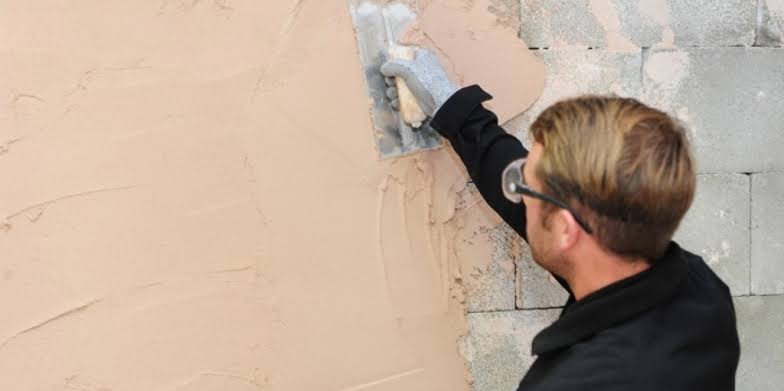
Application takes care, too. Consistent coverage and well-finished edges help produce a uniform surface, while properly finished junctions reduce places where water can collect or enter. Rushed work can leave uneven areas, visible defects, or vulnerable transitions. Ask for a clear explanation of the work sequence, including how the surface will be checked before the finish coat is applied.
Building movement also needs attention during planning. Cracks can form when the substrate shifts or the finish does not accommodate movement at a junction. Ask how the proposed system handles movement and changes between materials. The plasterer should explain where joints or other details are needed, rather than promise that a durable finish will never crack.
How to Maintain a Plastered Exterior
Regular checks help you catch small changes before they lead to larger repairs. Inspect the walls after severe weather and during routine exterior maintenance. Look around windows, doors, roof edges, and service penetrations, where a failed seal or damaged detail can let water in.
Watch for changes such as these, and arrange a closer inspection if you spot them:
- New cracks, especially near corners or openings.
- Areas where the finish appears detached.
- Staining, persistent dampness or damage around junctions.
A crack does not automatically mean the whole wall needs replastering. Its location, width, pattern and cause help determine the right repair. Avoid painting over a crack or filling it before checking for movement or moisture. A repair that addresses only the mark can fail if the underlying cause remains.
Keep maintenance records and note when you first see a change. This gives a tradesperson a way to compare the condition over time and check whether the issue is spreading. Choose repair materials and methods that suit the existing finish, since incompatible products can leave a weak patch or a visible difference in texture.
Conclusion
Solid plastering is a durable option for Wellington homes when the wall system suits the site, and the work is thoroughly prepared and detailed. Before committing, ask how the substrate, exposed elevations and junctions will be assessed, and how finish maintenance will be clarified. After installation, inspect the façade regularly. Address cracks or dampness early, before surface damage reaches the wall behind it.
