

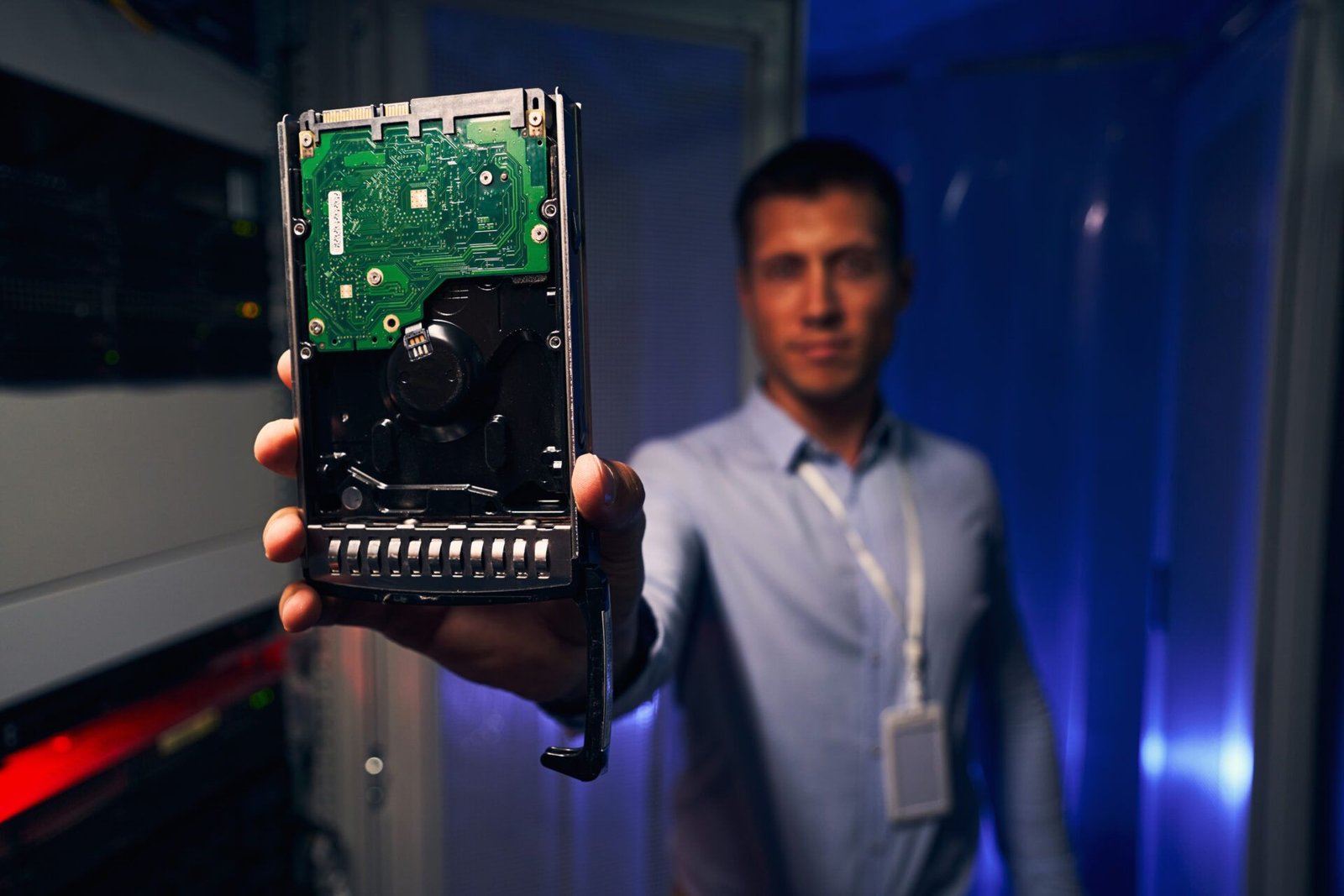
With enterprises constantly refreshing their technology, the issue of disposing of outdated computers, servers, networking hardware, and other electronic devices that are no longer being used is a pressing one. What happens when an organisation no longer has use for those devices?
Proper disposal of obsolete electronics is an essential aspect of every organisation’s sustainability efforts. IT asset disposition services (ITAD) present an effective approach for organisations to reuse, refurbish, or recycle unwanted electronics – rather than simply throwing them out. If done well, not only can organisations minimise their electronic waste, but ITAD also provides valuable data to include in their ESG reporting.
The Growing E-Waste Problem
The problem of global e-waste production shows no sign of abating.
What are some of the challenges presented by dumping your old electronic devices in a landfill? First and foremost, it represents a wasted opportunity for a lot of recoverable material to be reused. Secondly, dumping unwanted electronics and shipping them off to countries not properly equipped for their disposal poses some serious challenges.
An organisation needs to know what happens to its decommissioned devices. The last thing they want to do is leave their e-waste in the hands of an irresponsible recycler, risking their reputation and potentially opening them up to legal troubles.
Why ITAD Matters for Corporate ESG Goals
ITAD presents an effective solution for organisations to properly dispose of unwanted electronics, rather than dumping everything. The process presents an opportunity for companies to evaluate which assets can be refurbished, resold, have their parts harvested, or recycled.
When it comes to ESG, ITAD supports the environmental pillar of sustainability. By finding ways for viable assets to remain in circulation rather than ending up in a landfill, it extends the useful life of an organisation’s devices. In turn, that may reduce the need to purchase new hardware and lessen the environmental toll of sourcing the raw materials required to manufacture new devices.
On the social and governance fronts, responsible e-waste disposal helps to protect workers and surrounding communities from exposure to hazardous materials. Proper documentation on how an organisation’s devices are collected and handled by their ITAD provider demonstrates their responsible management of e-waste.
Connecting ITAD to ESG and Scope 3 Reporting
One of the benefits of responsibly disposing of your end-of-life electronics is the valuable data that can be provided in the company’s sustainability reporting. For example, the number of units refurbished, the volume of equipment that was resold, the recovery of valuable resources, and the amount of e-waste responsibly recycled can all provide valuable data that organisations can leverage in their sustainability reporting.
That provides a data point that can be included in a company’s sustainability report that demonstrates how the company is responsibly handling the disposal of their end-of-life IT equipment. It’s a tangible data point that the sustainability reporting team can measure its environmental efforts against.
Proper documentation is key. Your ITAD services provider should have the ability to provide recycling certificates, asset recovery reports, and downstream processing documentation. All of which can be used to back up your sustainability claims in the event of an audit.
In an era where organisations are constantly refreshing their hardware, responsibly disposing of their end-of-life assets can be one of the most effective ways for companies to address their waste management challenges and positively contribute to their sustainability reporting efforts.
