

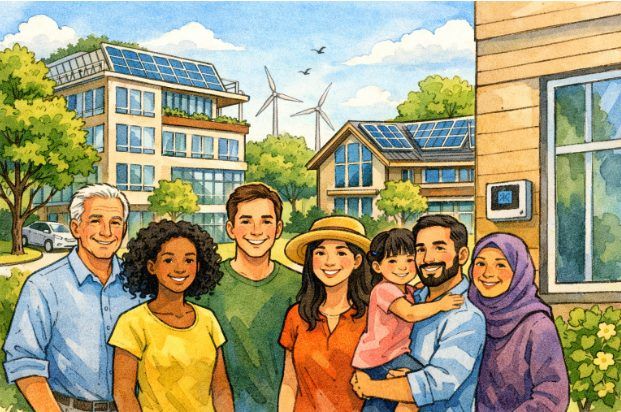
As climate concerns and the demand for greener lifestyles grow, sustainable real estate is fundamentally altering the landscape of community development. Modern developers and investors are now embracing environmentally conscious planning, integrating renewable energy solutions, and prioritizing the well-being of residents more than ever before. This transformation not only addresses urgent environmental challenges but also offers a path to economic resilience and greater community satisfaction. Amid these changes, EB-5 projects are standing out as prime examples of investments targeting environmental and community benefits.
There is a growing consensus that sustainable practices are vital for the long-term prosperity of both neighborhoods and investors. Stakeholders recognize that new developments, along with the revitalization of existing spaces, must align with principles of environmental stewardship and resource efficiency to remain competitive and relevant. These shifts are being fueled by innovations across multiple areas, including energy management, building materials, and smart technology integration.
Community members are also enjoying increased input into development processes, ensuring that green construction solutions benefit residents both environmentally and socially. As cities expand and populations grow, the drive for sustainability is inspiring new models for housing, office spaces, and communal areas that better serve people and the planet. It’s no surprise that sustainability is top of mind as builders and city planners respond to changing expectations from both policymakers and the public.
Global and regional policies continue to push for sustainable approaches, rewarding projects that demonstrate measurable progress in energy savings, emissions reductions, and social wellness. These trends will shape the future of cities, suburbs, and mixed-use spaces, leading to healthier, more resilient communities for years to come.
Energy-Efficient Designs
New building designs are prioritizing energy efficiency to address environmental impacts and drive down operational costs. Properties that adopt energy- and water-saving measures not only support resource conservation but also tend to be more attractive to tenants and investors. For instance, in competitive markets such as Dallas, energy-efficient commercial properties are leasing more quickly and enjoy higher tenant retention rates, as highlighted in a recent D Magazine article. The integration of natural light, enhanced insulation, and high-performance HVAC systems has become a standard expectation in new and retrofitted properties alike.
Government incentives are accelerating this trend by reducing the upfront costs of adopting energy-saving technologies. Tax credits, grants, and green certifications boost the business case for investing in high-efficiency designs, resulting in a wave of environmentally friendly buildings that also bolster investor confidence. Developers find that sustainable design does not simply equal social responsibility, but is a critical factor in maximizing long-term returns.
Green Building Materials
Real estate developers are increasingly vying to minimize their projects’ carbon footprints using innovative green building materials. Options such as recycled steel, responsibly sourced wood, bamboo, low-VOC paints, and insulation made from natural fibers are helping to define a new standard for the industry. These materials lower harmful emissions throughout a building’s lifecycle, while also creating healthier indoor environments that benefit residents and workers.
As the commercial and residential construction sectors move away from conventional, energy-intensive materials, they are discovering that sustainable alternatives also offer strength, durability, and aesthetic appeal. With greater transparency around product sourcing and environmental certifications, both homeowners and investors can make better-informed choices.
Integration of Smart Technologies
Smart technologies are shaping the next frontier in sustainable real estate by helping buildings run more efficiently, improving occupant comfort, and reducing waste. Today’s most forward-thinking properties feature automated lighting systems, programmable thermostats, advanced climate control, and real-time energy monitoring platforms. These innovations not only support sustainability but also create more responsive and enjoyable living and working spaces.
The use of smart meters and connected sensors enables ongoing data collection, allowing property managers and owners to optimize energy use and quickly address maintenance issues. Enhanced connectivity and automation create opportunities for residents and businesses to actively participate in sustainability efforts, leading to lower utility costs and heightened overall satisfaction.
Community Solar Programs
Community solar initiatives have opened access to renewable energy, especially for residents and businesses unable to install their own solar panels. By subscribing to shared solar arrays, participants benefit from clean power production and often see savings on their energy bills. These programs are a practical solution for extending renewable energy access to renters, low-income households, and those living in densely populated areas.
According to forecasts, community solar capacity is expected to double between 2023 and 2028, reflecting rapidly growing demand. As more states and local governments support these programs with incentives and regulatory changes, community solar is poised to become a mainstream energy option for urban and suburban neighborhoods alike.
Wellness-Focused Communities
Developers and planners are putting increasing emphasis on wellness by designing neighborhoods that foster healthy living and social connections. Features such as abundant green spaces, walkable streets, fitness centers, access to fresh food, and community gardens are integrated from the earliest stages of development. Such design approaches improve air quality, promote active lifestyles, and reduce stress, aligning with the overall shift toward holistic well-being in real estate development.
These wellness-focused communities are particularly appealing to families, older adults, and health-conscious individuals seeking supportive environments that go beyond functional living spaces. They also play a strategic role in attracting employers and businesses looking for locations that will enhance employee satisfaction and retention.
Impact of Policy and Regulation
Government policies and regulations provide essential frameworks for sustainable development, guiding how builders and investors approach new projects and upgrades. Policy initiatives, such as the European Union’s Clean Industrial Deal, are designed to incentivize both business growth and sustainability, laying the groundwork for widespread adoption of green practices.
National standards around energy performance, waste reduction, and water conservation are raising the bar, encouraging builders to implement advanced solutions and earn green certifications such as LEED or ENERGY STAR. These mandates are not only driving innovation but also supporting the evolution of resilient, future-proofed communities that are prepared for changing environmental and economic landscapes.
Conclusion
The real estate sector is in the midst of a profound shift as sustainability becomes entrenched in development, design, and daily operations. By integrating energy-efficient architecture, using green materials, deploying smart technology, and nurturing wellness-centered communities, developers are setting a new standard that aligns profitability with planetary health. These ongoing advancements underscore the crucial role that sustainable real estate will play in shaping vibrant and resilient communities for future generations.
