

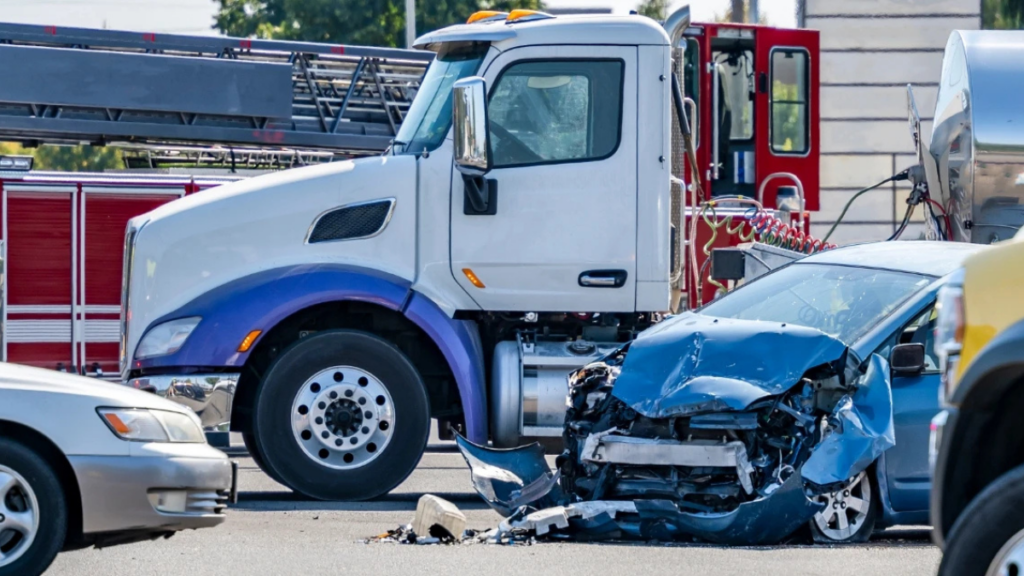
Fort Myers, Florida, is a growing Gulf Coast community where daily life depends on busy highways, commercial deliveries, construction, and steady year-round travel. With freight trucks sharing the road alongside commuters and visitors, serious collisions can leave families facing far more than physical recovery. Questions about financial security, future medical care, and legal rights often appear long before answers do. Unlike many traffic crashes, truck accidents may involve transportation companies, corporate insurers, federal safety rules, and technical evidence that can be difficult to obtain without prompt action.
Understanding these challenges from the outset allows injured people to make informed decisions rather than react to pressure after a devastating event. Speaking with a Fort Myers truck accident attorney soon after a crash can help clarify available options while important evidence and legal rights remain protected. The right guidance also gives families greater confidence as they prepare for the road ahead.
Early Legal Help Matters
Critical records can vanish soon after a crash. Driver logs, onboard data, maintenance files, route details, and witness accounts may explain why the collision happened. A truck accident attorney can secure those materials, review carrier conduct, and help injured families avoid recorded statements that may distort pain, memory gaps, or treatment needs.
Truck Cases Involve More Parties
A passenger vehicle claim may focus on one driver. Truck litigation often reaches farther. The driver, carrier, broker, shipper, loading crew, repair shop, or parts supplier may share responsibility. Each may have separate insurance. Careful review of contracts, inspection records, and delivery instructions can reveal who controlled the risk.
Evidence Builds Claim Value
Proof gives a claim weight. Photos, crash reports, medical charts, witness statements, vehicle damage, and electronic data may indicate speeding, braking, lane changes, fatigue, or unsafe scheduling. Medical records also connect symptoms to the crash. That connection matters when building a strong case if insurers question pain, disability, or future care.
Federal Rules Shape Liability
Commercial trucking rules exist because heavy vehicles can cause catastrophic harm. Regulations address service hours, inspections, drug testing, driver qualification files, and repair routines. A missed safety check can change the liability picture. Experienced counsel knows which records to request and how violations support fault.
Injuries Are Often Severe
Truck impacts can fracture bones, damage discs, injure the brain, burn skin, or harm organs. Some people need surgery, therapy, injections, mobility aids, or home assistance. Others lose stamina, concentration, or earning capacity. A quick settlement may ignore future treatment, permanent restrictions, and daily pain.
Insurance Teams Move Fast
Commercial insurers often begin investigating within hours. Their focus is exposure control. Adjusters may seek recorded statements, broad medical releases, or early signatures before diagnosis becomes clear. Legal representation creates distance between the injured person and pressure tactics, while keeping the claim organized and documented.
Florida Fault Rules Matter
Florida applies modified comparative fault. An injured person cannot recover damages if found more than 50 percent responsible. That rule makes blame disputes serious. A trucking company may allege speeding, distraction, or unsafe merging. Lawyers answer those claims with records, scene analysis, and expert input.
Damages Require Careful Math
Truck accident damages may include hospital bills, follow-up care, medication, therapy, missed wages, reduced earning ability, vehicle loss, pain, anxiety, and household limitations. Fatal crashes may support wrongful death claims. Accurate valuation depends on documentation, medical opinions, and clear evidence of changes in daily functioning.
Deadlines Can Limit Recovery
Legal deadlines matter, but delays hurt long before the filing deadline expires. Surveillance footage may be erased. Vehicles may be repaired. Witnesses may forget distances, traffic signals, or weather details. Early action helps preserve facts while memory remains useful and physical evidence still exists.
H3: Experts Can Clarify Facts
Some cases require accident reconstruction, trucking safety review, medical analysis, or wage-loss projections. Experts can explain stopping distance, blind spots, crash forces, impairment, disability, and future income loss. Their work turns technical records into clear evidence that insurers, judges, and juries can assess.
H3: Trial Readiness Adds Pressure
Most injury claims settle, but preparation changes negotiation. Insurers assess whether the legal team can prove fault and damages in court: Organized records, credible experts, and consistent medical evidence increase settlement pressure. Trial readiness also shows that low offers will be tested.
Communication Reduces Stress
Injured people may face appointments, surgery decisions, missed work, transportation issues, and family strain. A legal team can track deadlines, gather records, explain options, and answer questions in straightforward language. Clear communication helps families make choices based on evidence, not fear.
Local Experience Has Value
Fort Myers truck claims may involve delivery corridors, tourist traffic, construction zones, bridges, and busy intersections. Local experience helps counsel assess crash patterns, court procedures, medical resources, and insurer habits. Regional knowledge does not replace state or federal law, but it adds practical context.
Conclusion
Truck accident claims require prompt evidence preservation, careful liability analysis, accurate medical valuation, and steady pressure against commercial insurers. Experienced legal representation helps injured people avoid early mistakes, document lasting harm, and pursue fair recovery with confidence. For families facing treatment, lost income, and uncertainty, sound legal support can help protect financial stability and personal peace during a difficult recovery.
