

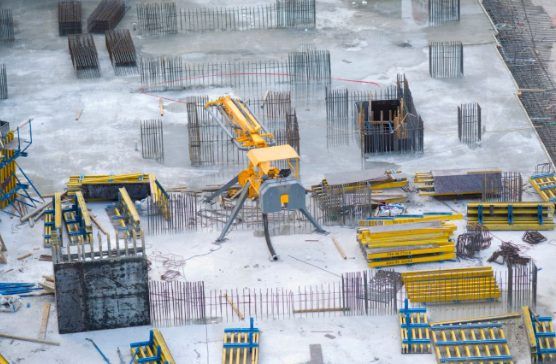
Construction projects rarely fall behind because workers suddenly stop making progress. Delays usually start much earlier, often during planning. A project may have the right budget, skilled crews, and quality materials, yet still struggle to stay on schedule because key infrastructure decisions were overlooked. Site access, utility planning, equipment movement, material storage, and daily logistics all shape how efficiently work gets done.
Many project managers discover infrastructure problems only after construction begins. By that point, every adjustment costs time and money. A blocked delivery route, delayed utility connection, or poorly planned site layout can affect multiple trades and create scheduling conflicts across the entire project. Understanding these decisions before work starts helps teams reduce delays, improve coordination, and maintain momentum from the first day on site.
Protecting Materials and Equipment
Construction sites often contain expensive tools, equipment, and materials that remain exposed to weather, theft, and accidental damage. Replacing missing or damaged items can delay work and create unexpected costs. A practical storage strategy helps protect assets while keeping crews productive.
Storage decisions should focus on accessibility as much as security. Workers need quick access to frequently used materials without spending time searching through crowded storage areas. Secure storage also supports better inventory control by making it easier to track supplies and identify shortages before they affect the schedule. For companies that regularly manage multiple projects, looking for a storage container for sale can provide a dependable solution for protecting equipment and organizing materials across different job sites. Organized storage reduces downtime, improves accountability, and helps projects stay on track even when site conditions become challenging.
Designing a Site That Works
A well-planned site layout saves time every day. Workers spend less time walking long distances, equipment moves more efficiently, and materials remain easier to access. These small gains add up over the life of a project and can have a noticeable impact on productivity.
The best site layouts reflect how work will actually happen rather than simply fitting everything into available space. Material staging areas should sit close to active work zones whenever possible. Equipment parking should avoid interfering with deliveries. Temporary offices and meeting areas should support communication without creating congestion. Project teams should also review the layout regularly as construction progresses. Conditions change throughout a project, and a layout that worked during foundation work may become inefficient during framing or finishing stages. Regular adjustments help maintain efficiency as the site evolves.
Timing Deliveries with Precision
Material deliveries affect far more than inventory levels. Poorly timed deliveries can create congestion, block access routes, and force crews to spend valuable time relocating materials. Even when materials arrive on schedule, they may still cause problems if the site is not prepared to receive them.
Strong delivery planning starts with understanding when materials will actually be used. Large shipments delivered weeks too early often create storage challenges and increase the risk of damage. Deliveries that arrive too late can leave crews waiting for critical materials. Project managers benefit from working closely with suppliers to coordinate schedules that align with construction activities. Frequent communication helps everyone respond to changes in project conditions. A delivery strategy built around actual workflow keeps materials available when needed while reducing clutter and operational disruptions.
Making Room for Heavy Equipment
Large construction equipment requires more planning than many teams expect. Excavators, cranes, forklifts, concrete pumps, and delivery vehicles all need space to operate safely and efficiently. Problems often arise when equipment routes overlap with material staging areas, pedestrian pathways, or active work zones.
Equipment planning should begin before mobilization. Teams need to identify where machinery will enter the site, where it will operate, and where it will remain when not in use. Ground conditions also matter. Soft or unstable surfaces can create safety concerns and limit equipment access. Coordinating equipment schedules helps prevent situations where multiple machines compete for the same space. A clear equipment movement plan reduces delays, improves safety, and helps crews complete tasks without unnecessary interruptions.
Preparing for Weather Challenges
Weather remains one of the most common causes of construction delays, yet many projects underestimate its impact. Rain, extreme heat, strong winds, and freezing temperatures can affect site conditions, material quality, and worker productivity. While no team can control the weather, they can prepare for it.
Effective infrastructure planning includes drainage systems, erosion control measures, and stable access routes that remain usable during wet conditions. Material protection should also receive attention early in the project. Moisture-sensitive products can suffer damage when stored improperly. Project managers benefit from reviewing seasonal weather patterns and building realistic contingency plans into the schedule. When teams prepare for likely weather disruptions instead of reacting to them, they maintain greater control over timelines and reduce the risk of major setbacks.
Keeping Information Moving
Construction projects rely on constant communication between owners, project managers, subcontractors, suppliers, inspectors, and field crews. Delays often occur when information does not reach the right people at the right time. A missing update, unanswered question, or outdated drawing can slow progress across multiple work areas.
Communication infrastructure should support quick and reliable information sharing. Many projects use cloud-based document systems, mobile devices, and digital reporting tools to keep teams aligned. Reliable internet access on site has become increasingly important because project documents, schedules, and revisions are often managed digitally. Teams should also establish clear communication procedures so workers know who to contact when issues arise. Strong communication systems help prevent misunderstandings, speed up decision-making, and keep project activities moving forward.
Building for Future Projects
Some infrastructure decisions continue delivering value long after a project ends. Companies that regularly manage construction work often benefit from investing in resources that can be reused across multiple sites. Temporary offices, secure storage solutions, safety barriers, and communication equipment are common examples.
Project teams should evaluate infrastructure investments through a long-term lens rather than focusing solely on the current job. An asset that improves efficiency on several future projects may provide greater value than a lower-cost alternative that requires frequent replacement. This approach also creates consistency across job sites, making it easier for crews to adapt when moving between projects. Long-term planning helps construction companies reduce operational challenges, improve project delivery, and strengthen their ability to manage increasingly complex workloads over time.
Construction timelines depend on hundreds of daily decisions, but many of the most important choices happen before major work begins. Site access, utilities, equipment planning, storage, communication systems, temporary facilities, and weather preparation all influence how efficiently a project progresses. When infrastructure planning receives the attention it deserves, teams spend less time solving preventable problems and more time completing productive work. Strong infrastructure decisions create smoother workflows, support better coordination, and reduce the risk of costly delays. For project managers and business owners, investing time in these areas early often becomes one of the most effective ways to keep construction projects on schedule and under control.
