

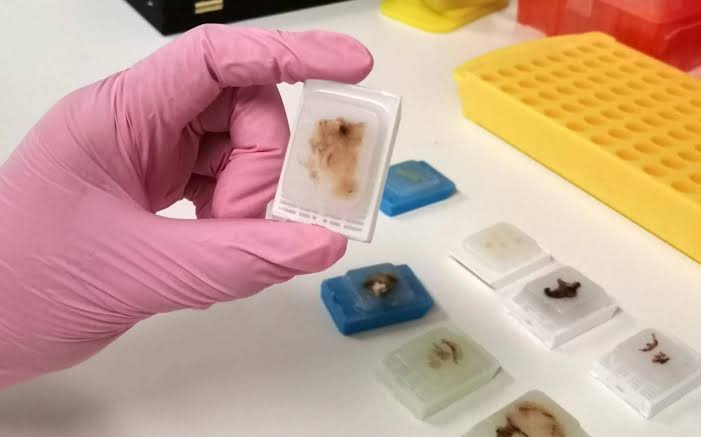
Reliable research starts long before laboratory analysis begins. Every tissue sample requires careful review to support accurate results and dependable conclusions. A clear evaluation process helps researchers identify issues early and select material that meets project requirements.
A thorough review of an ffpe block helps confirm that tissue quality matches the goals of a research project. Careful assessment supports consistent sample selection and reduces avoidable delays during laboratory work. This article explains the essential quality checks that help determine if archived tissue samples are ready for research use.
Confirm Tissue Identity Before Sample Selection
Accurate tissue identification forms the foundation of every successful research project. Sample labels, collection records, and related documentation should match before laboratory work begins. Any mismatch can create confusion and reduce confidence in research findings.
Researchers should compare available documentation with the specimen before any additional preparation takes place. Tissue origin, collection date, and case details deserve careful review. Clear records help maintain traceability throughout the research process.
Examine Tissue Preservation and Overall Integrity
Good preservation protects important cellular structures that support meaningful analysis. Tissue damage, drying, or visible deterioration may reduce sample value and affect laboratory results. A visual inspection helps identify obvious concerns before further evaluation.
Laboratory staff should examine the block for cracks, surface defects, or physical damage. Small defects sometimes indicate storage issues that deserve additional review. Early inspection helps prevent unnecessary work with unsuitable material.
Key Preservation Points
- Check for visible cracks across the paraffin surface.
- Look for signs of tissue separation from the surrounding wax.
- Confirm that the block shows no excessive drying or distortion.
- Review storage history when preservation concerns appear.
Review Tissue Size and Section Availability
Research projects often require enough tissue for repeated analysis or additional testing. Limited material may restrict future work and reduce study flexibility. A careful estimate helps laboratories plan sample use more effectively.
Section availability deserves equal attention before project approval. A block with very little remaining tissue may fail to support future validation work. Early review allows researchers to choose samples that provide sufficient material for planned procedures.
Verify Pathology Information and Clinical Records
Reliable pathology information strengthens confidence in sample selection. Diagnostic details help confirm that the tissue matches research objectives. Accurate records also reduce the chance of selecting an unsuitable specimen.
Clinical information should remain complete, organized, and consistent with laboratory documentation. Missing details may create uncertainty during data interpretation. Careful record verification supports dependable research planning from the beginning.
Check Storage History and Environmental Conditions
Storage conditions play an important role in long-term tissue preservation. Stable temperature and proper environmental control help maintain specimen quality over extended periods. Poor storage practices may reduce tissue suitability for certain research applications.
Laboratory records should document storage methods and handling history whenever possible. Clear documentation allows researchers to understand how the specimen remained protected after collection. Strong recordkeeping supports better sample evaluation.
Storage Factors Worth Reviewing
- Confirm stable storage conditions throughout the archive period.
- Review handling history for unnecessary exposure or damage.
- Check documentation for relocation or repeated retrieval.
- Verify organized inventory records for reliable sample tracking.
Evaluate Sample Suitability for Planned Research
Every project has unique technical requirements that influence sample selection. Tissue type, preservation quality, and available material should match the intended research method. Careful evaluation reduces unnecessary delays after laboratory work begins.
Before final approval, researchers should review the ffpe block alongside project requirements and planned analytical methods. This final comparison helps determine if the sample can support reliable results throughout the study. A structured review process creates greater confidence before valuable laboratory resources receive commitment.
Careful sample evaluation supports stronger research from the earliest planning stages through final analysis. Accurate documentation, good preservation, sufficient tissue, and reliable storage records each contribute to dependable outcomes. A consistent review process helps reduce avoidable problems and improves confidence in sample selection. Well-prepared tissue specimens provide a stronger foundation for meaningful scientific work and long-term research success.
