

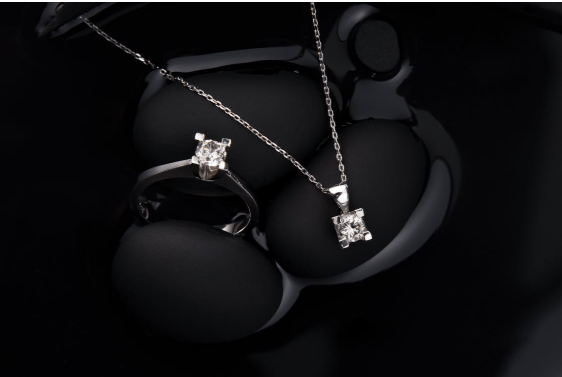
Many consumers link sustainable jewelry primarily to recycled metals and ethically sourced gemstones.However, true sustainability involves the entire life cycle, including responsible sourcing, fair treatment of workers, low emissions, and durability.
There are thousands of jewelry pieces marketed every day with vague sustainability claims, making it difficult for consumers to understand their ecological impact. Genuine sustainability is about selecting items designed to last for decades, not just a single fashion season.
The article below clarifies what sustainable jewelry truly means.
Sustainability Is About More Than Materials
Most consumers associate sustainable jewelry with the use of recycled metal and/or ethically sourced gemstones. However, true sustainability also requires responsible decision-making throughout the entire life cycle of the piece.
Sustainable jewelry involves mindful choices throughout its life cycle, including material sourcing, fair treatment of workers, energy use in manufacturing, packaging and transportation. It also includes ensuring the product is durable for years rather than just a few seasons.
Why Recycled Metals Are Important for Sustainability
The use of recycled precious metals has evolved into the most popular and recognizable form of sustainability in the industry. The mining of gold, silver and platinum requires an enormous amount of land, water and energy resources.
Jewelry manufacturers can create new and beautiful jewelry by recycling existing jewelry, electronics, and industrial products. After refining, recycled gold and silver create jewelry that has the same durability and quality of newly mined metal.
The Importance of Traceability
One of the key indicators of sustainability is traceability. Jewelry supply chains can be complex, with numerous suppliers and manufacturers across countries. Without proper documentation material origin and ethical production, obtaining such information becomes challenging.
Traceability enables brands to track their materials back to the source and all the way through the production process. Transparency increases consumers’ confidence in the claims made by a brand regarding the environmental impact or ethics of a product.
When consumers are looking for more sustainable options, one of the topics discussed will include lab-grown gemstones (and their certifications). Reliable providers like Diamondere are usually willing to offer such information and answer questions.
Looking Beyond Materials to Energy Use
The environmental impact of jewelry is not only influenced by the material but also by how it is produced. All processes that go into producing jewelry require energy, and the energy source will determine to a large degree what the environmental final impact will be.
Some brands are investing in renewable energy, improving production efficiency, and using locally sourced materials to reduce emissions. While energy use might be less visible than material sourcing, it is crucial in evaluating a jewelry brand’s environmental commitments.
How Can You Tell If You’re Being Greenwashed?
Sustainability is often used as a marketing tool, leading to greenwashing. Terms like “eco-friendly,” “green,” and “responsibly sourced” may sound appealing but lack value without evidence to back them up.
When companies make broad claims about their sustainability practices without explaining how they verify those claims, consumers should be wary. Watch out for the following industry warning signs:
- Complete lack of transparency regarding specific factory names or countries of origin
- Total absence of credible third-party certifications for metals and stones
- Vague wording that promises ethical values without presenting numerical data
The above factors may reveal that the company’s sustainability initiatives aren’t quite as impressive as their marketing claims suggest.
Durability Is a Sustainability Feature
Durability is often overlooked as an aspect of sustainable jewelry. Jewelry that is well-made and crafted to last will typically have a lower environmental impact than poorly made, cheap pieces that are purchased for short-term wear.
Durable jewelry leads to fewer replacements, encouraging mindful consumption. Sustainable brands emphasize timeless designs and quality craftsmanship, recognizing that long-lasting value is key to environmental responsibility.
What Sustainability Means for Modern Buyers
Sustainable jewelry is not linked to a specific kind of material or a certification. It is a result of sound decisions made throughout all phases of sourcing, manufacturing, and distribution.
Consider the above tips to determine if a luxury company meets your personal requirements. Sustainable jewelry, at its best, is durable, ethically produced, and traceable. For more insights on conscious luxury, consider exploring our internal blog on metal care and gemstone history.
