

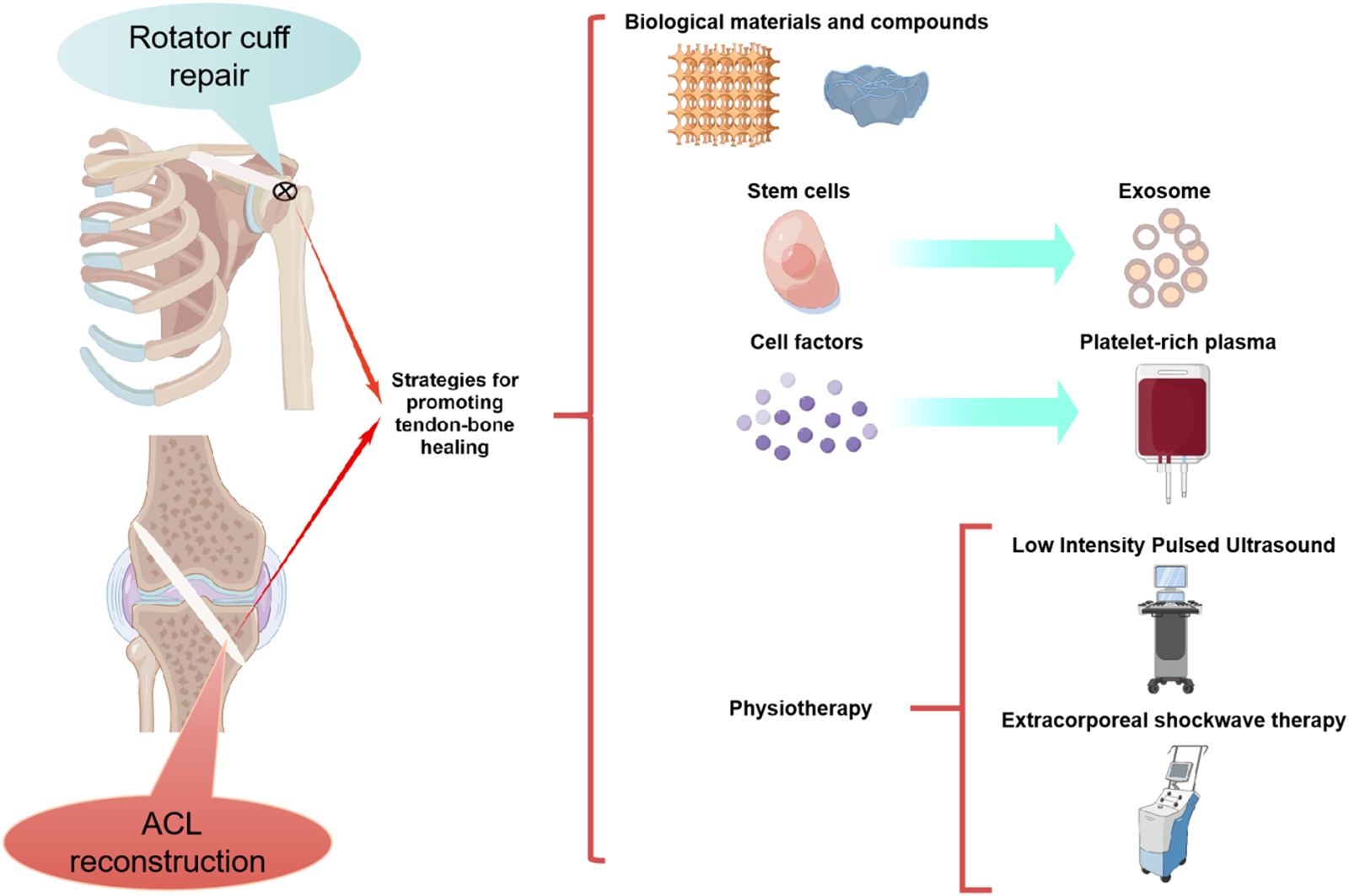
Physical activity is a pillar of health, yet many active individuals eventually hit a frustrating wall. This wall is often not due to a lack of muscle strength, but to the slow recovery of connective tissues. Joints, tendons, and ligaments do not heal at the same rate as muscle tissue. This discrepancy creates a biological bottleneck that can lead to chronic pain or recurring injuries. When the body’s structural foundation fails to keep pace with muscular gains, the risk of long-term damage increases.
The Core Problem: Why Connective Tissues Fail
Muscles have a rich blood supply, allowing them to receive nutrients and repair damage quickly. Ligaments and tendons, however, are largely avascular. They rely on slow diffusion to receive the proteins and minerals needed for repair. This is why a muscle strain might heal in a week, while a tendon injury can linger for months.
Several factors contribute to this slow healing process:
- Decreased Collagen Synthesis. As we age, the natural production of structural proteins drops.
- Low Blood Flow. Connective tissues lack the dense capillary networks found in muscle.
- Nutrient Partitioning. The body often prioritizes vital organs over joint repair during stress.
- Mechanical Wear. Constant repetitive motion can outpace the body’s natural rebuilding cycle.
This slow regeneration often forces people to stop their training routines entirely. This leads to a loss of muscle mass and a decline in metabolic health. Finding a way to bridge this recovery gap is essential for anyone who wishes to stay physically active throughout their life.
Finding Solutions Through Biological Optimization
Solving the issue of slow joint recovery requires a multifaceted approach. Traditional methods include physical therapy and rest, but modern science offers ways to optimize the internal healing environment. The goal is to signal the body to prioritize the repair of collagen-based structures. This involves both external mechanical stress and internal chemical signaling.
For those looking to enhance these repair pathways, you can buy Somatropin HGH online from Driada Medical to support the body’s natural ability to regenerate connective tissue and maintain bone density. By ensuring the body has the correct signals to initiate repair, individuals can potentially reduce their recovery time. This allows for more consistent training and a lower risk of chronic structural issues.
Other effective strategies for improving joint health include:
- Load Management: gradually increasing resistance to stimulate bone and tendon density.
- Hydration Protocols: ensuring the synovial fluid in joints remains viscous and protective.
- Specific Nutrition: consuming amino acids that serve as the building blocks for collagen.
- Temperature Therapy: using heat to increase local blood flow to stubborn injury sites.
The Hidden Complexity of Metabolic Adaptation
Even when joint issues are addressed, another problem often emerges: metabolic slowing. When injury or age reduces our activity levels, our body’s ability to process energy changes. The breakdown of fats, known as lipolysis, becomes less efficient. This often leads to increased subcutaneous fat, which places even more mechanical stress on the already struggling joints.
This creates a negative feedback loop. A slower recovery leads to less movement, which in turn leads to weight gain, which then increases joint strain. Breaking this cycle requires more than just willpower. It requires a metabolic environment that encourages the body to preserve muscle and burn fat, even during periods of lower activity.
Regulation of blood sugar and insulin sensitivity plays a major role here. If the body cannot effectively manage glucose, it often stores it as fat rather than using it for tissue repair. Keeping the metabolism flexible ensures that nutrients are directed toward healing rather than storage. This is a critical component of any long-term recovery strategy.
The Role of Cellular Proliferation in Longevity
At the microscopic level, all healing is a matter of cellular proliferation. This is the process where cells divide to replace old or damaged tissue. This process is highly active during our youth but slows down significantly after our mid-twenties. When cell renewal slows, we see the visible and internal signs of aging.
Indicators of declining cellular renewal include:
- Thinning of the Skin: a result of reduced collagen and elastin production.
- Brittle Bones: a sign that bone resorption is happening faster than bone formation.
- Slower Wound Healing: the body takes longer to close skin or muscle gaps.
- Reduced Immune Resilience: the body becomes less efficient at clearing out damaged cells.
Maintaining a high rate of cellular renewal is the essence of biological longevity. It is not just about living longer, but about maintaining a high quality of life. A body that can renew itself effectively is one that remains mobile, strong, and resilient in the face of the stressors of the modern world.
Addressing the Decline of Protective Hormones
As the years pass, the production of essential growth signals in the body naturally declines. This is often the root cause of why we feel “stiffer” or “slower” as we age. Between the ages of 30 and 40, the concentration of these signals can drop by nearly half. This decline affects everything from muscle mass to the depth of our sleep.
Without these protective signals, the body enters a catabolic state more easily. This means it is more likely to break down its own tissues for energy rather than repairing them. To counter this, many people focus on lifestyle interventions that naturally boost these signals. Deep sleep, high-intensity interval training, and specific dietary patterns can all help. However, for some, the natural decline is too steep to manage with lifestyle alone, necessitating a more targeted approach to hormone balance.
Building a Foundation for the Future
The journey to long-term health is a marathon. It involves recognizing the biological limitations of our bodies and taking active steps to overcome them. We must move away from the idea that pain is an inevitable part of aging or athletics. By understanding the science of tissue repair and metabolic health, we can make informed decisions that protect our bodies.
- Education. Staying informed about the latest developments in regenerative science.
- Consistency. Applying health habits daily rather than in short bursts.
- Proactive Care. Addressing small aches before they become major injuries.
- Holistic View. Recognizing that sleep, diet, and training are all interconnected.
A well-maintained body will perform better in every aspect of life. Whether you are a professional athlete or someone who simply wants to stay active with your family, the principles remain the same. Support your body’s natural repair mechanisms, manage your metabolic health, and prioritize structural integrity. This approach ensures that you can continue to move with strength and confidence for decades to come. Success is found in the balance between pushing your limits and respecting your body’s need for renewal.
