

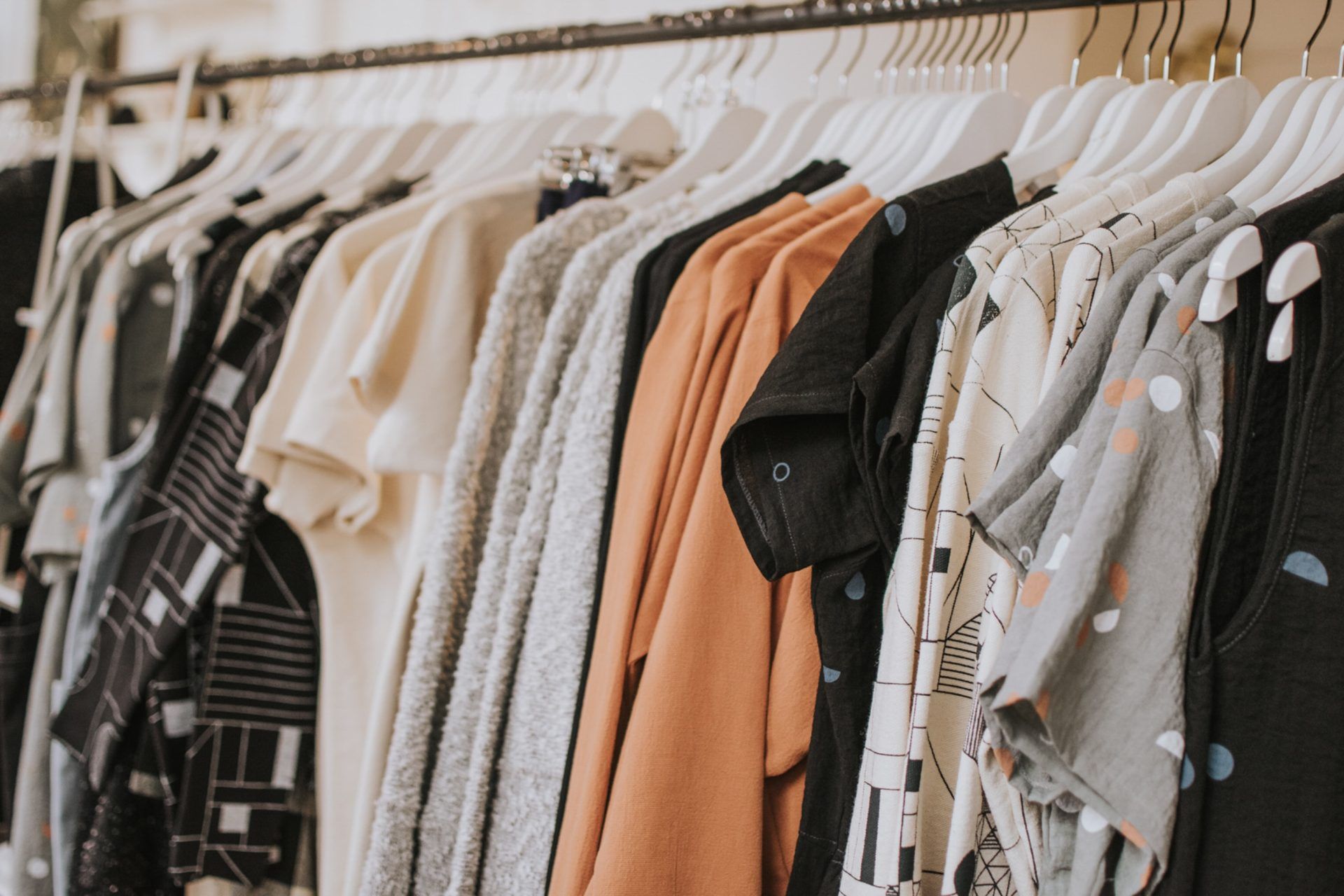
The idea of starting a clothing brand is very often a seductive one․ Most people imagine themselves designing clothes‚ building a culture around their brand‚ then seeing people wearing their stuff․
However‚ the real problem is in operations (apparel manufacturing in particular)․ New fashion brands fail not because they are not creative‚ but because they make the mistake of immediately rushing to manufacturing without assessing the market‚ product pricing‚ and the particulars of manufacturing the product․
Before scaling your production into the infinite zone for manufacturing‚ consider the impact of your decisions on your sustainability․
1․ Clearly identify your brand positioning
With no clear brand positioning strategy‚ new clothing brands tend to want to be all things to all people in order to compete with the collection of brands that sell similar products․
Identify Your Target Market
Make sure your product‚ message and pricing make sense for your target audience․Streetwear key elements include branding‚ limited drops‚ and a basis in alternative cultures․Modest wear embraces designs that strike a balance between style and ethics․Essentials include comfort‚ durability and ease of access․Corporate apparel companies offer uniform and business wear for corporations․Performance wear is clothing made of technical fabric and suitable for sport․
Identify your audience up front to inform design and production choices․
Identify What Makes Your Brand Unique
By focusing on your audience‚ your brand will define a value proposition‚ such as:
- Premium fabric quality
- Low cost, accessible to the masses.
- Distinctive design aesthetics are really important.
- Sustainable or ethical production methods are also crucial.
Your unique approach should influence everything from product design to marketing strategy.
2. Validate Demand Before Scaling Production
Many fashion startups fail because they make too much inventory before checking if people actually want the product.
Test With Small Batches or Pre-Orders
Immediately committing to large manufacturing runs, brands can reduce risk by testing demand first. Here are some common strategies:
- Producing batches to measure initial customer interest in your product
- Offering pre-orders to secure sales before production of your product
- Launching limited releases to gauge demand and collect data on your product
These methods help brands validate product-market fit while minimizing financial exposure to their product.
Collect Customer Feedback Early
Early feedback on your product is extremely valuable before scaling production. Brands should gather insights about:
- sizing accuracy of their product
- Fabric comfort and durability of their product
- Customer expectations around price of their product
This feedback allows brands to refine their product before investing in production quantities of their product.
3. Understand Your Cost Structure
A successful clothing brand must balance design with financial sustainability. Many new entrepreneurs underestimate the cost of apparel production for their product.
Production Cost vs Retail Price
Manufacturing is one part of the overall cost structure for your product. Brands must also account for:
- Fabric and manufacturing costs for their product
- Packaging and labeling for their product
- Shipping and logistics for their product
- Marketing and operational expenses for their product
Your retail pricing strategy should ensure margins after covering all these components for your product.
Hidden Costs in Apparel Production
Some costs are often overlooked during planning including:
- Sampling and prototype development for a product
- Fabric wastage during cutting and production of a product
- Packaging materials and branding elements for a product
- Distribution and fulfillment logistics for a product
Understanding these costs early prevents financial pressure later on your product.
4. Prepare Proper Technical Documentation
Clear communication between a brand and its manufacturer is critical for maintaining product quality and consistency of their product.
What Is a Tech Pack?
A tech pack is a document that provides manufacturers with precise instructions for producing a garment. It typically includes:
- Measurement charts and sizing specifications for a product
- Fabric and material details for a product
- Stitching and construction instructions for a product
- Trim and hardware specifications for a product
Without documentation manufacturers may interpret designs differently leading to inconsistent products.
Why Technical Specifications Matter
A detailed tech pack helps brands:
- Reduce production errors in their product
- Improve manufacturing efficiency of their product
- Maintain quality across batches of their product
For growing brands proper documentation becomes essential for scaling production of their product.
5. Plan Your Quantity Strategy and MOQ
Manufacturers typically require a Minimum Order Quantity (MOQ) for each production run. Understanding these requirements is important for inventory planning for your product.
Why MOQ Exists
MOQs exist because factories must optimize production efficiency. Factors that influence MOQ include:
- Machine setup costs for production
- Fabric sourcing requirements for production
- Labor efficiency during production
For manufacturers producing small quantities may not be economically viable for your product.
Avoid Overproduction
While larger production runs may reduce unit costs they also increase inventory risk for your product. Brands should:
- Forecast demand realistically for their product
- Balance production scale with risk for their product
- Avoid ordering units than the market can absorb for their product
Excess inventory can quickly become a major financial burden for new brands.
6. Choose the Right Clothing Manufacturer
Your manufacturing partner plays a role in the quality and reliability of your products.
Understand the Difference Between Tailors, Suppliers and Manufacturers
Different production partners serve needs:
- Tailors are ideal for custom pieces or prototypes of a product.
- Suppliers usually provide made products with limited customization for a product.
- Manufacturers handle structured production based on custom designs for a product.
Choosing the partner depends on your production goals and scale for your product.
What to Look for in a Garment Manufacturer
Before committing to a manufacturing partner, evaluate:
- Production capacity for your product
- Sampling process and development support for your product
- Quality control systems for your product
- Communication and responsiveness for your product
A reliable manufacturer should function as a long-term partner rather than just a supplier for your product.
For example, working with a clothing manufacturer can help brands streamline product development, ensure consistent quality and scale production more efficiently for their product.
7. Think Beyond a Single Collection
Fashion brands are built through consistency and long-term planning rather than one successful product launch.
Plan for Future Growth
As demand grows your production partner should be able to scale with your business. This means having:
- production facilities for your product
- Skilled manufacturing teams for your product
- Experience handling orders for your product
Build Systems, Not Just Products
Instead of focusing only on individual designs brands should build operational systems for product development, manufacturing and quality control. Strong systems make it easier to launch collections and maintain consistent standards for their product.
Starting a clothing brand involves more than creative design and planning. Entrepreneurs must validate demand, understand manufacturing costs, prepare specifications and choose reliable production partners for their product.
By approaching apparel manufacturing fashion brands can reduce risk, improve product quality and build a foundation for sustainable long-term growth.
OL Garments as your manufacturing partner, you gain the expertise and support needed to achieve these goals efficiently.” and also put link above to “OL Garments”
