

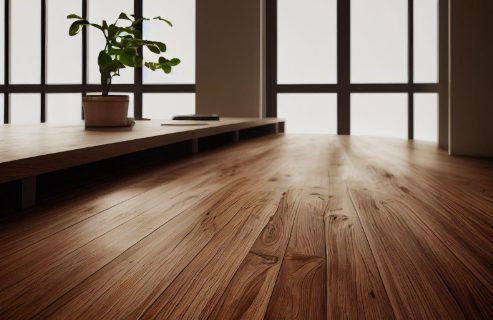
At Alpha Floor Sanding in Croydon, we fully appreciate that hardwood flooring is among the most attractive and long-lasting flooring choices for any home. Their cosiness, beauty, and ability to be refinished make them a timeless investment. However, even the strongest wood flooring will eventually succumb to damage. Ordinary wear, humidity levels, and neglect can result in common issues that shorten your floor’s lifespan. The best news is that nearly all of these problems can be avoided altogether with proper maintenance and awareness. Read on for the complete guide to the top five hardwood flooring problems—and how to avoid them so your floors stay stunning and durable for decades.
- Gapping and Cracking due to Moisture Fluctuations
Wood is a natural material that shrinks and expands with variations in water content. During dry seasons, boards shrink and create noticeable gaps; during damp weather, boards swell and press against one another. This constant movement creates cracks, creaks, and even irreversible warping if left unchecked.
To prevent gapping, the answer lies in maintaining humidity levels indoors constant. During dry months, use a humidifier, and during rainy or wet months, use a dehumidifier to counter moisture. Accurate acclimation of wood before installation also matters—floorboards need to acclimate in your house for a few days before installing them.
Additionally, commercial sealing and sanding of floors can minimise water absorption by plugging up pores and gaps, ensuring your floors are stable and safe all year round.
- Wear and Scratches on the surface
Animal claws, hardsills on shoes, and furniture movement can all leave wear marks on even the hardest wood. As a result, the floor may eventually become less polished over time and show the bare wood underneath, making it even more vulnerable to harm.
Preventing scratches starts with basic courtesy: place felt pads on furniture legs, place rugs in doorways where they can trap wear and tear, and avoid wood floors in stilettos or heavy shoes. Clean floors regularly with a microfiber mop to sweep away dirt particulates that are like sandpaper on the surface.
For worn-out floors, sanded lightly is a godsend. It murders surface imperfections and readies it for polishing without the necessity of sanding or replacement. A professional may then apply a new protective covering, restoring your floors to like-new state with added protection against future damage.
- Water Damage and Staining
Water is hardwood’s worst enemy. Spills, leaks, or excessive cleaning moisture can seep between boards and lead to warping, staining, and even mold development under the surface. Kitchens, bathrooms, and entryways are especially susceptible to such damage.
Save your floors from damage by immediately cleaning up spills and never wet mopping. Clean instead with a damp—not soaking—rag. Putting mats at entrances reduces tracked-in water on rainy days.
For additional protection, seal your floors. Professional refinishing gives a water-repellent coat that is discolouring-resistant. If your floors are already showing signs of water damage, early repair via resealing and sanding will generally reverse its appearance before warping becomes irreversible.
- Fading and Discolouration due to Sunlight
While natural light adds interior beauty, it also eventually harms hardwood floors. Exposure to UV rays bleaches out colour, especially in dark woods, and leaves patches of mismatched tones where sun streams directly into spaces more intensely.
To reduce fading, place window treatments such as blinds, curtains, or UV-filtering films to control light. Periodically rearrange furniture or rugs so the floor can age evenly.
If the fading has already occurred, sanding can help to remove the dulled surface and reveal the natural colour of the wood beneath. Finishing it with a UV-proof coating prevents further fading and leaves your floor full of colour for many years to come.
- Buildup of Dirt and Allergens in Grain and Gaps
The roughness of the wood grain, tiny fractures, and gaps tend to retain dust, debris, and allergens. These deteriorate indoor air quality over time in addition to making your floor look drab. It is a major worry for pet owners and allergy sufferers.
Regular maintenance is a big plus, but professional gap filling and refinishing are what can heal the issue. Through cracking sealing and creating a smooth, even surface, professionals prevent dust and dirt from becoming trapped in the first place. Then, maintaining your floors afterwards is pretty straightforward, and your home’s air stays cleaner and healthier. Soft-brush vacuuming and good hardwood cleaners will make your floors shine without dulling the finish.
The Reasons Professional Care Makes a Difference
Expert care guarantees long-term protection even with minimal upkeep. While professionals repair surface wear, they also identify underlying issues like concealed moisture, uneven boards, or worn-out finishes that might deteriorate over time.
Regular professional sanding, sealing, and maintenance extend the life of your hardwood by keeping it strong and preventing repeated problems. These processes may be an initial cost, but they pay for themselves in the long run by staving off costly repairs or early replacement.
Hardwood floors add elegance and cosiness to a home, but longevity calls for care and attention. Avoiding issues such as gapping, scratches, moisture damage, fading, and dirt buildup, you can have your flooring appear and remain lovely and functional for generations. Whether daily maintenance or periodic professional refinishing, small steps today yield long-lasting results. Treating your hardwood is treating your home’s value, comfort, and beauty—because beautifully maintained floors never lose their charm.
