

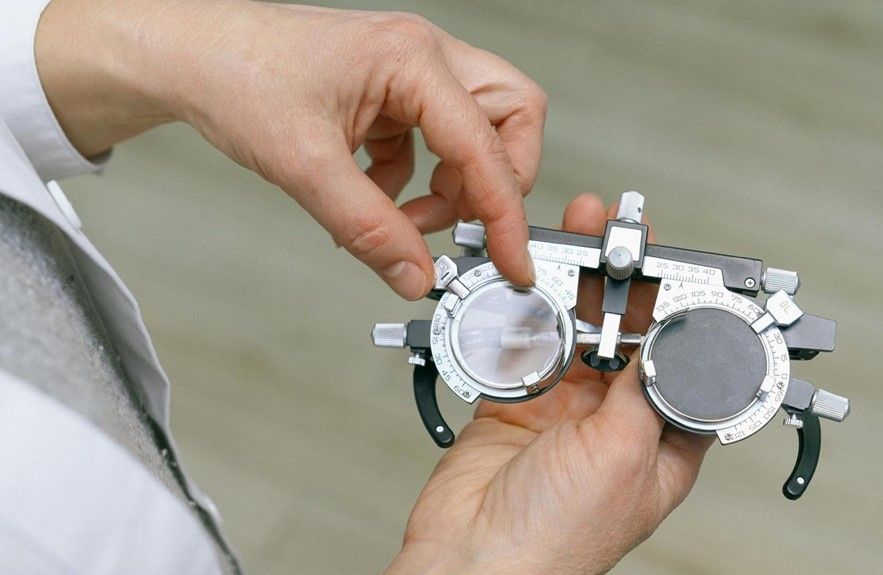
Corrective lenses help millions of people function each day, but they come with trade-offs. They require upkeep, replacements, and daily routines that don’t always match a fast-moving lifestyle. For those ready to reduce their dependence on glasses or contacts, SuraVision offers LASIK surgery as a long-term solution for clearer, more stable vision.
What LASIK Eye Surgery Involves
LASIK reshapes the cornea using a highly controlled beam of light. The goal is to adjust how light enters the eye so it lands directly on the retina, creating sharper images. The procedure takes roughly 15 minutes for both eyes. Most patients report little to no discomfort, and vision clarity improves rapidly—often within hours.
The term LASIK stands for laser-assisted in situ keratomileusis. A thin flap is created on the eye’s surface, allowing the underlying corneal tissue to be reshaped. The flap is then repositioned, where it naturally seals without stitches. The equipment used allows for precision down to microns.
Who It’s For
Ideal candidates are adults with stable prescriptions, healthy eyes, and realistic expectations. Common vision issues addressed include nearsightedness, farsightedness, and astigmatism. Someone who’s been wearing glasses for years might find the prospect of no longer reaching for them each morning a compelling reason to consider treatment.
However, LASIK may not suit everyone. Certain autoimmune conditions, previous eye injuries, or chronic dry eye symptoms may disqualify some individuals. A thorough consultation and diagnostic exam will determine whether the procedure is advisable.
Results That Last
For most patients, LASIK is a permanent correction. Because the corneal tissue does not regenerate in the same way as other cells, reshaping it typically yields a long-term outcome. Studies show that more than 90% of LASIK recipients achieve 20/20 vision or better, and the vast majority are satisfied with their results even many years later.
Vision can still change naturally with age, especially due to presbyopia, which affects close-up focus. That’s a normal part of aging and unrelated to the original refractive correction. Some patients may consider enhancement procedures later in life, especially if their initial LASIK occurred at a younger age.
Lifestyle Improvement
One of the most cited advantages of LASIK is how it simplifies routines. No need to search for lost glasses or restock lens solution. Athletes, travelers, parents, and professionals often find the freedom it provides more valuable than they expected. Whether it’s easier outdoor activity, convenience while driving at night, or simply waking up with clear sight, the benefits are practical and consistent.
For people working in fields where eyewear can be restrictive or dangerous—such as healthcare, construction, or emergency services—the change can be especially helpful. Dry or dusty environments that make contacts uncomfortable are no longer a concern.
Fast Recovery and Minimal Disruption
Recovery from LASIK is generally brief. Most people return to their usual activities the next day. There may be mild irritation or light sensitivity for a short time, but these effects fade quickly. Follow-up visits are scheduled to monitor healing and visual progress. Eye drops are typically used for lubrication and to prevent infection during the healing phase.
There’s no need for extended downtime. For many, the only reminder of the surgery is the improvement in how they see the world around them.
Cost Over Time
The upfront investment in LASIK often appears higher than other options, but it’s important to weigh it against years of recurring expenses. Glasses, contact lenses, cleaning supplies, and optometry visits add up. Over a decade or more, the costs of vision maintenance can significantly exceed the one-time cost of surgery.
Some providers offer financing plans, allowing patients to spread out the cost with manageable monthly payments. Others may qualify for coverage under health savings or flexible spending accounts. With these options, more people are finding it easier to make the decision.
Myths About LASIK
Although LASIK has a long record of success, myths still persist. Some worry it’s painful or that vision will worsen after surgery. Others believe recovery takes weeks. These assumptions are outdated or simply incorrect.
Modern technology used in LASIK has been refined over decades. The procedure is done with extreme accuracy, and side effects are rare and usually temporary. Most patients return to normal life immediately, and complications are uncommon when the procedure is performed by an experienced surgeon.
Precision Through Technology
One of the reasons LASIK outcomes are so predictable is the quality of technology used to plan and execute the surgery. Wavefront-guided mapping, topographic analysis, and real-time eye tracking all contribute to a treatment that is adjusted specifically to the patient’s eye.
Each person’s eyes are different. LASIK allows those differences to be addressed directly through personalized planning. This level of targeting leads to reliable outcomes and reduced risk of overcorrection or undercorrection.
Confidence and Convenience
Clear vision isn’t just about seeing the boardroom screen or road signs. It also affects how people carry themselves, how they feel in social settings, and how freely they engage with everyday activities.Clear vision isn’t just about seeing the boardroom screen or road signs. It also affects how people carry themselves, how they feel in social settings, and how freely they engage with everyday activities. For many patients in Houston, LASIK represents more than a medical procedure — it’s a shift toward independence. — it’s a shift toward independence.
Knowing you won’t need to carry backup lenses, worry about prescription changes, or maintain multiple types of eyewear removes a layer of mental clutter. That simplicity is often underrated until it’s experienced firsthand.
One Step Toward Long-Term Clarity
Choosing LASIK eye surgery is a personal decision. It’s about reclaiming time, simplifying routines, and reducing the small inconveniences that build up over the years. The procedure doesn’t promise perfection, but for the right candidates, it delivers consistent, long-term visual freedom.
