

Headaches and neuralgia are among the most commonly reported health issues in India today. While an occasional headache is usually harmless, frequent or chronic headaches and nerve pain (neuralgia) often point to deeper neurological concerns. Left unaddressed, these conditions can significantly affect daily functioning, productivity, and mental well-being. If you’re experiencing persistent symptoms, consulting a neurologist in Ranchi is a crucial first step toward identifying or ruling out any underlying neurological disorder. In this article, we’ll explain how neurologists diagnose and treat nerve-related pain and chronic headaches, what to expect during your visit, and why early intervention is essential for long-term health.
Understanding Persistent Headaches
Headache is a bothersome little pest, but on a chronic scale—15 or more days of a month for months—it does indeed impact quality of life. There are many things that cause chronic headaches, and it takes a seasoned practitioner to identify the actual cause.
Those bothersome headaches that just won’t disappear can’t be dismissed. A competent neurologist will review your history, lifestyle, and symptoms to enable accurate diagnosis and treatment.
Understanding Nerve Pain
Nerve pain, or neuropathic pain, is not the same as pain. It is a result of damage or dysfunction in the nervous system itself. Regular pain, which results from outside damage or inflammation, results from the outside, but nerve pain results from the inside and is chronic and more difficult to heal.
Symptoms of Nerve Pain May Include:
- Burning or stinging shooting pain
- Numbness or prickly sensation in the hands or feet
- Electric-shock-like sensation-pain, which arises instantaneously
- Hyperesthesia
- Muscle weakness
Diabetes, spinal cord injury, multiple sclerosis, or infection like shingles cause nerve pain. Based on its multi-etiologies, nerve pain generally has to be treated with additional care, which only a neurologist can provide.
How a Neurologist Helps
A neurologist in Ranchi offers a one-stop solution for the treatment of chronic headache and neuralgic pain. Here’s how they can assist you:
1. Detailed Evaluation and Diagnosis
A complete medical workup is among the first to be completed by a neurologist. It may include:
- Detailed history of the symptom, precipitating factors, and past medical history
- Physical and neurologic examination
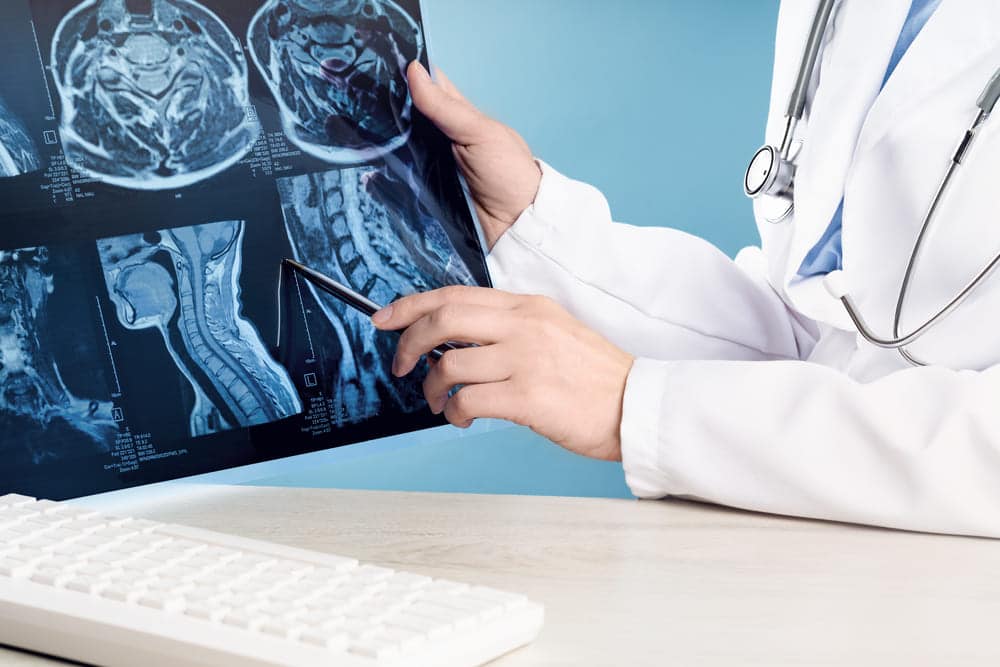
- Imaging studies like MRI, CT scan, or EEG
- Lab tests or spinal fluid examination, if necessary
These will determine if your pain is of a neurological nature or not.
2. Advanced Interventions
For patients in whom non-response to standard treatment occurs, neurologists have advanced treatments, and these include:
- Nerve blocks or steroids
- Biofeedback and cognitive behavior therapy for pain feeling regulation
- Neuromodulation therapy, such as TENS or spinal cord stimulation
- Referral to surgery is advisable in unusual cases of nerve compression
When Should You See a Neurologist?
Even though uncommon, infrequent headaches or transient pain are no reason to refer to an expert, but some frequent symptoms make it time to see a neurologist:
- Frequent or ongoing headaches that last for over a few hours
- Intense pain that disrupts usual activity
- Headache with a sudden onset in adulthood
- Changes in vision, retention of urine, or numbness, along with a headache
- Recurring numbness or tingling in the arms, legs, or face
- Radiating pain down the back or into the limbs
- Weakened muscles or loss of coordination
If you’re experiencing any of these symptoms, scheduling an appointment with a neurologist in Ranchi should be a priority.
Benefits of Early Intervention
Early consultation with the neurologist will lead to earlier relief and avoidance of further complications. The whys and hows of early diagnosis and treatment are important because:
a. Avoiding Chronic Conditions
Tension headache or migraine, if detected early, can be managed as non-chronic and easy-to-treat conditions.
b. Preventing Permanent Nerve Damage
Neuropathy, if not treated, causes permanent nerve damage and loss of function.
c. Improved Quality of Life
Effective pain management equates to improved sleep and wakefulness, increased productivity, and better mental health.
d. Reduced Dependency on Painkillers
Recurrent use of over-the-counter pain medications is one reason for monstrous amounts of recurring headaches, and worse still, organ damage. Your neurologist will recommend less destructive long-term options.
Holistic and Multidisciplinary Care
Most neurological diseases encompass an interdisciplinary group of caregivers. Neurologists will frequently work alongside, in addition to medical care:
- Physical therapists
- Occupational therapists
- Psychologists
- Dieticians
- Pain management experts
This multidisciplinary treatment provides you with overall care specifically tailored to your disorder.
The Role of Technology in Neurological Treatment
It is all that contemporary neurology relies on to provide precise diagnosis and effective treatment. Your Ranchi neurologist can use:
- MRI and CT scans to detect abnormalities
- EEG to track the functioning of the brain
- Nerve conduction tests and EMG to check for nerve and muscle activity
- Computerized pain mapping to locate sites of nerve damage
All such developments render diagnosis and treatment more accurate, removing guesswork and reducing recovery time.
Final Thoughts
Headaches and nerve pain are signs of issues within the body and poor neurological function. Cul-de-sac fixes like carrying painkillers or going without treatment can have lasting effects. A professional helps determine the cause through consultation and testing, just to treat the problems accordingly.
If you are suffering from frequent headaches or pain in nerves and want to meet the experts, then take a proper checkup and a tailored treatment plan from an actual neurologist in Ranchi. For complete neurological care with the best diagnostics and expert doctors, visit Paras HEC, Ranchi, where your comfort and health take priority at the highest level.
