

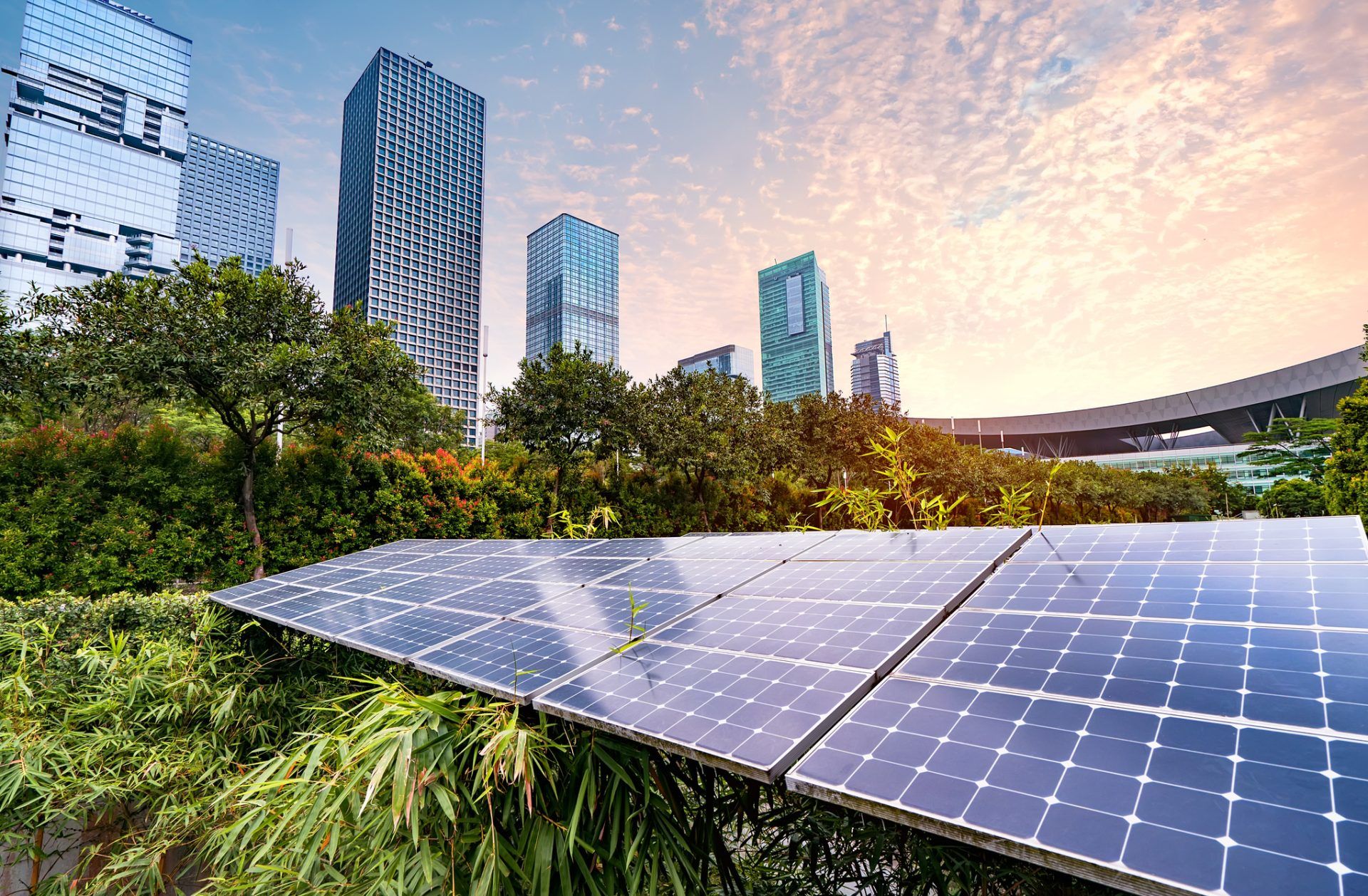
In an age where most people spend their time in a building, the quality of buildings matters a lot in determining the general health of a person. Energy-efficient buildings generate healthier surroundings that contribute to physical and mental well-being, going beyond just conserving energy. Smart design, technology, and sustainability materials can lead to improving air quality, lighting, temperature management, and noise reduction within these buildings. Here’s how enhanced wellness results from energy-efficient buildings.
Engineering, Consulting, and Installation for Healthier Buildings
To build energy-efficient buildings that support wellness, expert engineering, consultation, and construction are needed. Reputable companies, like Legence, specialize in designing and implementing high-performance HVAC, lighting, and ventilation systems to improve air quality, temperature control, and energy efficiency
Their consulting services guarantee compliance with health standards, evaluate sustainability needs, and suggest environmentally friendly materials. Seamless integration and long-term efficiency depend on proper installation and maintenance by experts. Their knowledge helps buildings maximize energy performance and provide better, more comfortable surroundings for people. Using professional solutions like this guarantees a complete approach to wellness-oriented, energy-efficient environments.
Cleaner Air for a Healthier Life
Poor air quality inside an area can cause dust, mold, and volatile organic compounds (VOCs) that are picked up from the furniture, paintings, and furnishings of cleaning agents. These toxins can also trigger allergies, headaches, and respiratory problems. This is tackled by energy-efficient buildings such as sophisticated ventilation systems, top-of-the-line air filters, and environmentally friendly building materials.
While preserving a flow of fresh indoor air, systems including heat recovery ventilation (HRV) and energy recovery ventilation (ERV) also conserve energy. Further improving air quality and hence supporting greater health and comfort are natural ventilation strategies, including openable windows and green walls.
Better Lighting for Improved Mood and Productivity
Mood, sleep, and productivity all depend on lighting in great measure. Many buildings rely on artificial illumination, which can disturb sleep cycles, strain eyes, and lower focus. Energy-efficient designs give natural light top priority in order to produce a better inside atmosphere. Large windows, skylights, and reflective surfaces help buildings maximize daylight exposure and, hence, lower the demand for artificial lighting.
Additionally able to replicate natural light, LED lighting with changing color options helps control sleep cycles and lower stress. Customizing brightness settings, made possible by smart lighting systems, guarantees a precise mix of comfort and energy savings.
Stable Indoor Temperatures for Greater Comfort
Variations in internal temperature can be unpleasant, compromise concentration, and potentially cause health issues such as colds or heat exhaustion. Many buildings fight to maintain stable temperatures due to poor insulation and ineffective heating or cooling systems. To properly control internal temperatures, energy-efficient buildings combine premium insulation, smart thermostats, and advanced heating, ventilation, and air conditioning (HVAC) systems.
By varying heating and cooling based on occupancy and outside temperature, smart climate control technology guarantees a comfortable indoor environment continuously. A steady temperature helps one sleep, increases output, and lowers stress.
Reduced Noise for a More Peaceful Space
Often disregarded as a factor influencing mental health, focus, and sleep quality is noise pollution. Older buildings might not have enough soundproofing, which would let unwelcome noise from nearby businesses, traffic, or construction cause disruptions.
Thicker walls, acoustic panels, and soundproof windows—among other noise-reducing elements—energy-efficient buildings are needed. Well-placed insulation and green rooftops help to reduce unwelcome noise, therefore fostering a quiet inside space. These buildings help to create a quieter environment by lowering noise pollution, therefore enabling people to remain peaceful, focused, and well-rested.
Sustainable Materials and Natural Elements for Better Well-Being
Indoor health is strongly influenced by the building materials. Many conventional building materials have dangerous compounds in them that spew poisons into the atmosphere and, over time, compromise general well-being. Energy-efficient buildings provide top priority to environmentally safe, non-toxic materials, improving indoor air quality.
Further improving wellness is biophilic design, an approach to including natural elements in indoor spaces. Indoor plants, green walls, wooden finishes, and water features all produce a calm and refreshing atmosphere. Studies reveal that being in nature—even inside buildings—helps to lower stress, boost happiness, and raise output.
Conclusion
Energy efficiency in buildings is more about designing surroundings that encourage better health and well-being than merely cost-cutting. Through bettering air quality, lighting, temperature management, noise reduction, and sustainable materials use, energy-efficient buildings enhance the way people live and work. A more sustainable and wellness-oriented future depends on first embracing energy-efficient architecture as the need for improved indoor environments keeps rising.
