

India’s business travel environment is unlike any other. From early-morning flights between metros to long road journeys across regional hubs, employee travel is deeply woven into daily operations. As companies expand across cities and states, travel stops being a support activity and becomes a core operational function. Without structure, the complexity of volume, distance, and diversity can quickly overwhelm internal teams.
This pressure is growing. Industry research indicates that domestic business travel accounts for over 80% of all corporate trips in India, driven by regional expansion, client-facing roles, and decentralised teams. In 2025, Indian companies are travelling more frequently within the country than internationally, making scale and coordination a constant challenge rather than an occasional one.
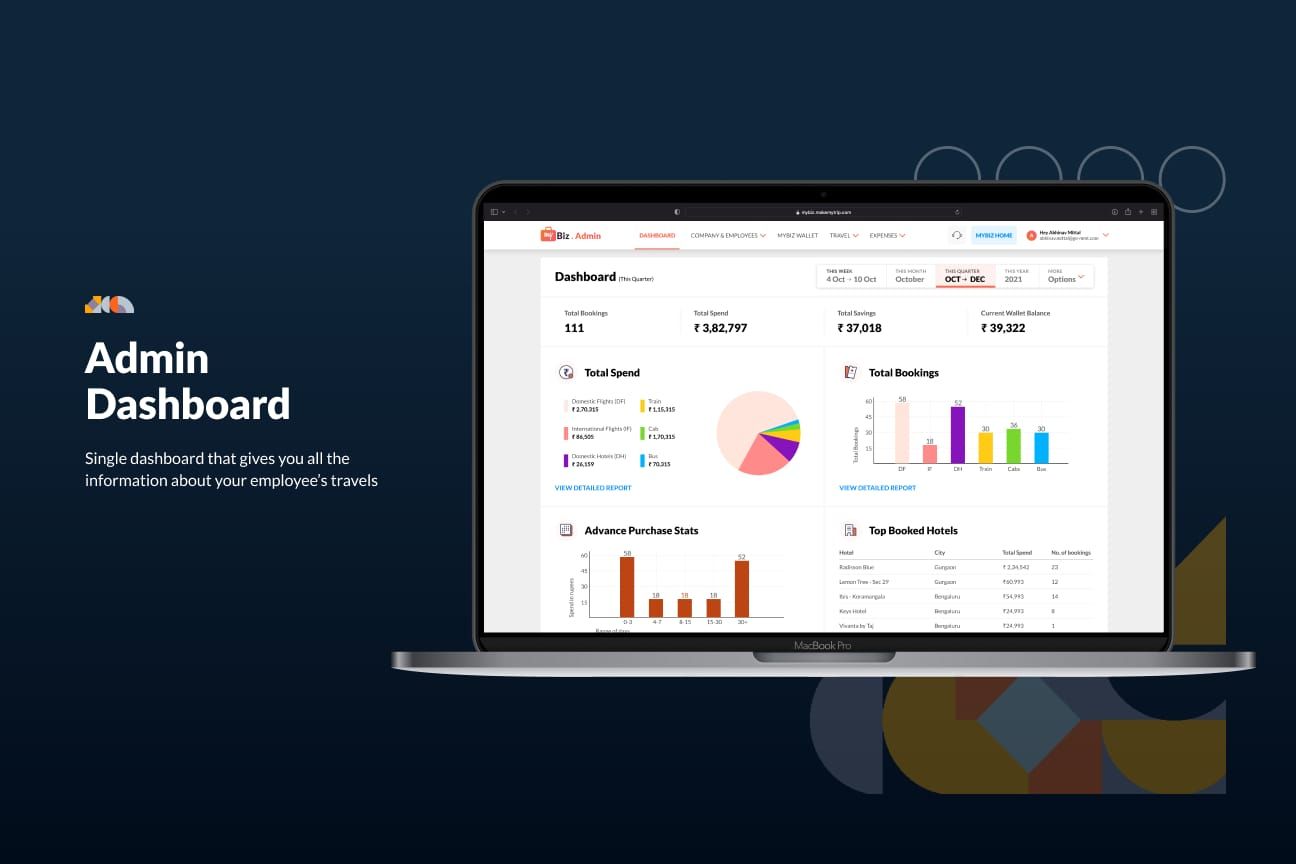
To manage this complexity, organisations are moving away from ad-hoc bookings and spreadsheets. Capabilities such as automated reports, GST reconciliation, policy mapping, and central dashboards—enabled through platforms like myBiz—are helping businesses bring consistency and visibility to large, distributed travel programmes.
In this blog, we explore how corporate travel management companies in India support large-scale business travel, how organisations coordinate across regions, and what companies should look for when working with a professional corporate travel agency in a fast-growing economy.
1. Unique Challenges of Business Travel in India
India’s geography creates natural complexity. Multi-city operations often involve a mix of air, rail, and road travel, sometimes within the same trip. Travel times can vary significantly based on location, season, and infrastructure.
Infrastructure variability adds another layer. While major metros offer strong connectivity, many business-critical locations still require longer transit times and flexible planning. Without structured oversight, delays and cost overruns become common.
2. How Businesses Coordinate Travel Across Regions
To manage this diversity, companies rely on central oversight combined with local execution. Policies, budgets, and approval frameworks are usually set centrally to maintain control.
At the same time, local teams handle execution based on regional needs. This balance allows organisations to stay flexible while maintaining consistency in how travel decisions are made and tracked across locations.
3. The Role of Professional Travel Support
Handling travel at scale requires more than booking tickets. Professional travel support helps businesses manage volume, handle last-minute changes, and respond to disruptions such as cancellations or rescheduling.
This support becomes critical during peak travel seasons or when teams move simultaneously across regions. A dependable structure ensures continuity without placing additional strain on internal departments.
4. Ensuring Consistency Across Locations
This is where a structured corporate travel agency adds value. Standard booking processes help ensure that employees across cities follow the same rules and expectations.
Unified reporting brings everything together. When data from multiple locations flows into a single system, organisations gain clarity on spend, usage, and compliance. Platforms like myBiz help enable this consistency without adding complexity for employees.
5. Cost and Compliance Considerations
Cost control remains a priority for Indian businesses. Without visibility, travel expenses can rise quietly across departments and regions.
Policy enforcement ensures fairness and accountability. When rules are clear and embedded into booking and approval workflows, employees are more likely to comply, reducing disputes and financial leakage.
6. Preparing for Future Growth in Business Travel
Business travel in India is set to grow alongside economic expansion. Companies are preparing by adopting technology-led systems that can scale with volume.
Long-term partnerships also matter. Working with the right travel partners allows organisations to adapt to changing patterns, new locations, and evolving compliance requirements without rebuilding processes every time.
Conclusion
Managing business travel in India requires structure, flexibility, and foresight. By combining central oversight with professional support, organisations can handle scale without losing control. As travel volumes grow, consistent processes and reliable partners will play a key role in keeping business movement efficient, compliant, and future-ready.
