



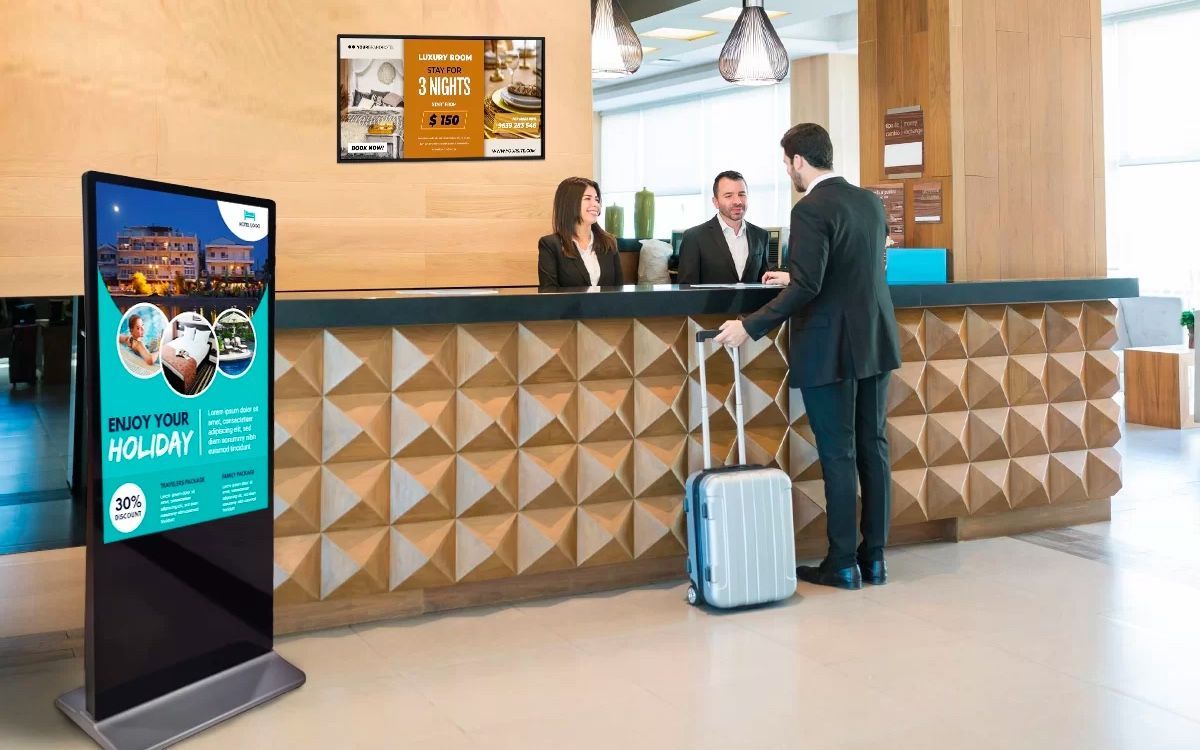
Hotel guests start making judgements long before they reach their room. They notice the entrance, the lighting, the way the lobby feels, how easy it is to find reception and whether the whole arrival experience feels calm or slightly confusing. Good service matters, of course, but the physical environment is already setting expectations before anyone has handed over a key card or pointed toward the lifts.
That’s why effective hotel signage plays such an important role in how a hotel is experienced. It’s not just there to label rooms or tell people where the toilets are, although that’s part of it. It helps guests move through the building confidently, supports the hotel’s brand, reduces friction at key moments and quietly reassures people that the property is well-run.
Guests Don’t Want to Feel Lost
Hotels can be surprisingly complicated places, especially for someone arriving tired, carrying bags or visiting for the first time. There may be parking areas, conference rooms, restaurants, lifts, pools, gyms, service corridors, exits and room numbers that don’t immediately make sense. If guests have to keep stopping to ask where to go, the experience starts to feel less seamless.
Clear signage solves that without making a big fuss. A guest should be able to move from entrance to reception, from reception to lift, and from lift to room without feeling like they’re solving a puzzle. The best signs are noticeable when needed and almost invisible when they’re not, which sounds simple but takes proper planning.
Signage Is Part of the Brand
A luxury hotel, coastal resort, boutique guesthouse and city business hotel shouldn’t all use signage that feels the same. Materials, typography, colour, lighting and placement all contribute to the tone of the property. A polished brass sign can say something very different from a minimalist illuminated panel or a relaxed timber wayfinding marker.
This is where signage becomes more than practical information. It becomes part of the atmosphere. Guests might not consciously analyse the font or finish, but they’ll feel whether the signs belong in the space. When signage matches the design language of the hotel, everything feels more considered.
Small Frustrations Add Up
Poor signage rarely ruins a stay on its own, but it can add unnecessary irritation. Confusing car park signs, unclear room directions, hidden amenities, hard-to-read emergency information or inconsistent naming across the property can all make guests feel less confident. And once someone is already tired from travel, even small frustrations can feel bigger than they are.
A Better Stay Starts With Clearer Direction
Great hotel signage helps the whole experience feel smoother. It guides without overwhelming, informs without cluttering and supports the personality of the property at the same time. When it’s done well, guests don’t have to think too hard about where to go next, which leaves more room for them to enjoy the stay itself.


