

A classic pickup vehicle possesses something obviously unique: the rough appeal, the nostalgic design, and the raw, mechanical feel of an ancient workhorse. Most traditional trucks were not made with speed in mind, let’s face it. Few carefully selected adjustments may make all the difference if you want to resurrect your ancient setup and transform it into a tire-shredding dynamo.
An LS swap is one of the most effective techniques to unleash true performance; when combined with the appropriate C10 headers, your antique vehicle may be turned into a contemporary muscle truck. But horsepower growth does not end there. Let’s look at the necessary improvements from fuel consumption to tuning that will give your vintage vehicle fresh life.
Why Vintage Trucks Need Modern Upgrades
Older engines, while dependable in their time, just can’t compare the efficiency and power of contemporary powerplants. That’s why so many lovers are bringing their vintage pickups into the 21st century via engine swaps—especially the LS series of engines. These little, lightweight V8s fit astoundingly well into traditional engine bays while still providing remarkable power, torque, and dependability.
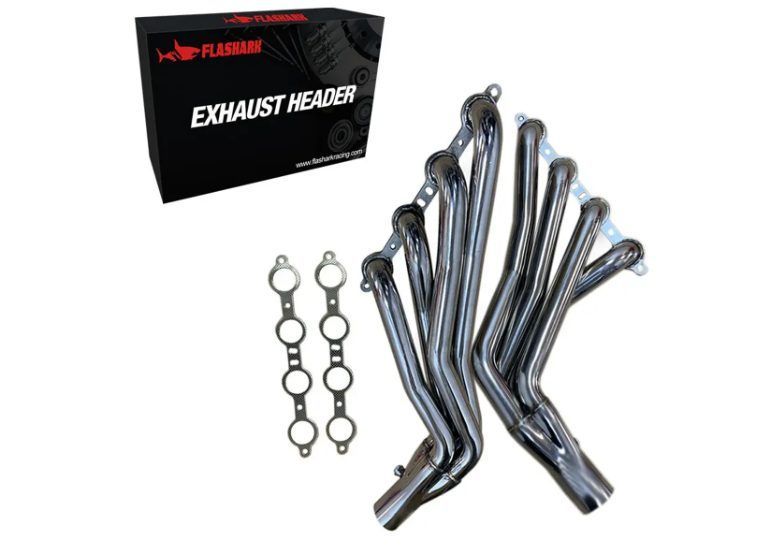
Naturally, changing engines is just the start. You will have to begin with the exhaust system and supporting modifications if you want to really optimize performance. High-quality C10 headers made for LS swaps guarantee maximum exhaust flow, hence lowering backpressure and enabling your engine breathe easily.
Better Breathing: Consumption and Exhaust Enhancement
Replacing a firehose with a stock air intake and exhaust system is like inserting a coffee stirrer; they limit airflow and kill power. Changing to a high-flow air intake lets your engine suck in more oxygen; a performance exhaust system guarantees spent gases exit fast and effectively.
Choosing the right C10 headers is especially important for anyone doing an LS conversion. While shorttube configurations prefer highRPM power, longtube headers boost lowend torque. Combine them with mandrel bent exhaust piping and an Xpipe or Hpipe crossover to find balance in sound and scavenging.
Upgrades to Fuel Systems: Feeding the Beast
Greater power equals increased fuel need. Should you have a carbureted system, a high flow fuel pump and bigger jets might be enough. But if you have chosen a fuel-injected LS swap, you will want to verify your injectors, lines, and fuel pump can keep up.
Changing to a larger capacity fuel system avoids lean circumstances, which might cause engine failure. Good fuel distribution is essential for opening the whole potential of your engine whether you are running a factory style tank with an in tump pump or a custom fuel cell.
Ignition and Tuning: Accuracy Counts
Even the best-built engine won’t run well if it isn’t correctly tuned. Modern LS engines need accurate fuel and spark control; hence, a good ECU setup is imperative. Independent engine management systems like Holley Terminator X or manufacturer GM ECU reprogramming can best air/fuel ratios, ignition timing, and even transmission shift points (if you’re running an automatic).
Upgrading to a highenergy ignition system can enhance throttle response and combustion effectiveness for those keeping with a classic distributorbased ignition. Proper tuning guarantees that every change runs in harmony, whether you are doing an ls swap c10 headers or maintaining an ancient small block.
Suspension and drivetrain: Applying power to the road
No amount of horsepower would be of assistance if your vehicle cannot connect. Stiffening the chassis using frame connectors or a full roll cage increases rigidity; improved suspension components—such tubular control arms, coilovers, or air ride—assist keep traction.
While a built transmission (or a contemporary overdrive unit) maintains your engine in its powerband, a limited-slip differential or even a complete locker guarantees that both rear tires put power down. Don’t let a sluggish drivetrain hamper you if you have gone to great efforts to fit C10 headers on an LS swap.
Weight loss: Less is more
Weight savings were not precisely considered in vintage truck building. Replacing fiberglass or aluminum variations for heavy steel body panels can reduce weights; dinking superfluous interior components (like worn bench seats or sound deadening) further lightens the burden.
Even minor modifications—like a lightweight aluminum radiator or an aftermarket driveshaft—can accumulate. Every pound lost increases the efficiency of your horsepower improvements, so bear in mind.
Final Thoughts
Converting an old pickup into a high-performance vehicle calls a thorough plan—it’s not merely bolt-on components. Starting great is an LS swap matched with the appropriate C10 headers; supporting modifications like intake upgrades, fuel system enhancements, and correct tuning guarantee everything runs smoothly.
These essential modifications will enable you to get every last ounce of power from your vintage vehicle whether you are constructing a street cruiser, a drag truck, or even a weekend toy. Your vintage pickup will run tougher than ever before with the correct mix of modifications in addition to look great.
