



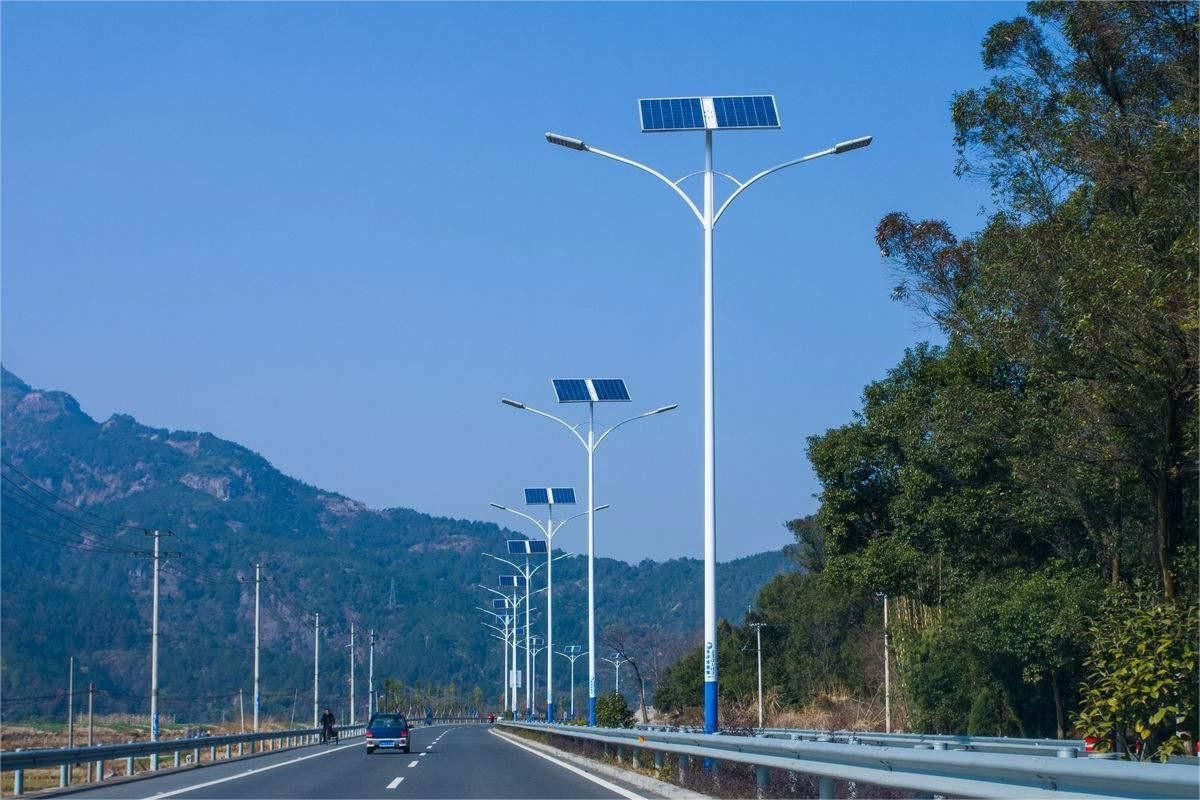
Outdoor lighting is often treated as a simple procurement item: choose a lamp, confirm the wattage, match it with a pole, and arrange delivery. On smaller projects, that may be enough. But for roads, parking areas, industrial yards, logistics parks, campuses, and municipal spaces, outdoor lighting usually becomes part of a wider construction or infrastructure plan.
Many lighting problems do not appear at the quotation stage. They show up later, when poles are installed, cables are routed, solar panels are shaded, foundations do not match anchor bolts, or the final lighting effect is different from what the site owner expected. By that point, correcting the problem can be more expensive than reviewing it properly before installation.
Good planning does not make a project complicated. It simply helps the buyer, contractor, supplier, and installation team work from the same assumptions before materials arrive on site.
Lighting Performance Starts with the Site, Not the Lamp
A lighting fixture can perform well in a datasheet and still perform poorly on a real site. The final result depends on where the light is installed, how high it is mounted, how far the poles are spaced, and what surrounds the area.
For example, an open road section may allow wider pole spacing and more predictable light distribution. A parking area with trees, walls, loading zones, or uneven ground may require a different layout. Industrial yards may need stronger lighting in working areas, while pedestrian zones may need better uniformity rather than simply higher brightness.
Before selecting a lighting system, project teams should check the basic site conditions:
- roador area width;
- poleheight and spacing;
- trafficor pedestrian activity;
- nearbybuildings, trees, or obstacles;
- windexposure;
- futuremaintenance access;
- whetherlighting simulation is
These checks are not only useful for large government projects. They also help commercial and industrial projects avoid dark spots, over-lighting, and unnecessary installation changes.
Installation Problems Often Come from Early Assumptios
One common mistake is to separate product selection from installation planning. The buyer may approve the lamp and pole, while the site team later discovers that the civil work, wiring path, foundation size, or mounting method was not fully considered.
This is where many delays begin. A project may need to wait for revised drawings, new anchor bolts, additional civil work, or different installation accessories. In some cases, the lighting equipment is correct, but the site preparation is not ready.
For road lighting and public area lighting, the installation method should be reviewed early. This includes pole location, foundation position, cable entry, access for lifting equipment, and possible conflicts with underground pipes, curbs, drainage, or landscaping.
A lighting project may fail not because the lamp is poor, but because the installation conditions were not reviewed early enough.
Pole Foundation Planning Should Not Be Left Until the Last Moment
Pole foundations are easy to underestimate. Once the pole is installed, the foundation is mostly hidden, but it carries the load of the entire system. Poor foundation preparation can lead to pole tilting, anchor bolt mismatch, cracked concrete, difficult maintenance, or safety concerns in high-wind areas.
Before installation, contractors should review soil conditions, pole height, wind exposure, anchor bolt layout, base plate size, concrete base requirements, and the installation environment. For projects using medium-height or taller poles, especially in coastal roads, open highways, industrial zones, or exposed parking lots, foundation planning becomes even more important.
A practical guide to street light pole foundation design can help project teams understand the basic factors that should be checked before civil work begins.
This does not replace local structural codes or engineering approval. However, it gives buyers and contractors a clearer checklist before the project moves from product selection to site construction.
Solar Lighting Requires a Different Planning Mindset
Solar lighting projects add another layer of planning. The pole and lamp are only part of the system. The solar panel, battery, controller, working mode, dimming profile, and local sunlight conditions all affect longterm performance.
Two solar lighting systems with similar lamp wattage may behave very differently if one has a larger battery, better controller settings, or more suitable dimming schedule. In areas with long rainy seasons, poor sunlight, dust, or shading, the system needs to be reviewed more carefully.
For project owners comparing solar street lighting systems, it is useful to look beyond lamp power alone. The complete system design should include battery capacity, charging input, controller profile, installation height, operating hours, standby dimming, motion sensor logic, and expected autonomy during cloudy weather.
This is especially important for municipal roads, village roads, industrial compounds, and public facilities where the lights are expected to operate reliably for years with limited daily maintenance.
Grid-Powered Lighting Has Its Own Coordination Issues
Grid-powered LED street lighting may seem more straightforward because it does not depend on solar charging. But these projects also need coordination before installation.
The project team may need to confirm cable routing, trenching, control cabinet location, surge protection, electrical protection, grounding, and maintenance access. If the lighting supplier, civil contractor, and electrical contractor work from different assumptions, the project can still face delays.
For larger projects, it is useful to review drawings, cable entry points, pole installation details, and control requirements before procurement. This reduces the chance of discovering missing parts or incompatible installation details after delivery.
Documentation Helps Different Teams Work Together
Outdoor lighting projects often involve more than one decision-maker. A distributor may handle the commercial communication. An EPC contractor may manage installation. A consultant may review technical documents. A municipal or commercial buyer may approve the final design. The installation team may only enter the process near the final stage.
When documentation is incomplete, each party may interpret the project differently. Useful documents may include:
- productdatasheets;
- poledrawings;
- foundationreference drawings;
- lightinglayouts;
- wiringnotes;
- installationinstructions;
- warrantyterms;
- packingdetails;
- testingand handover
These documents do not only support procurement. They also reduce mistakes during installation and make the final handover easier.
Final Checks Before Ordering Materials
Before confirming production or delivery, project teams should review several practical points.
First, the lighting system should match the site conditions. This includes pole height, fixture power, beam angle, road width, mounting position, foundation requirements, and wind exposure.
Second, the system type should be clear. Solar lighting, grid-powered lighting, and hybrid project layouts require different planning. The required documents and installation responsibilities may also be different.
Third, the installation scope should be confirmed. Civil works, pole erection, wiring, system setup, and final testing should not be left undefined.
Fourth, the project team should plan for commissioning and maintenance. Solar street lights may need testing for charging status, controller settings, working mode, motion sensor response, and night operation. Grid-powered lights may need electrical safety checks, control system testing, and lighting performance review.
Conclusion
Outdoor lighting projects are not only about buying lamps. They involve site conditions, installation planning, pole foundations, power supply, technical documents, and long-term maintenance.
When these items are reviewed before installation, the project has a better chance of staying on schedule and performing as expected. For municipal roads, parking areas, industrial sites, logistics centers, campuses, and public spaces, early planning can prevent many problems that are difficult to fix after the lights are already installed.
A well-planned lighting project gives every party a clearer path from product selection to installation and final handover.


