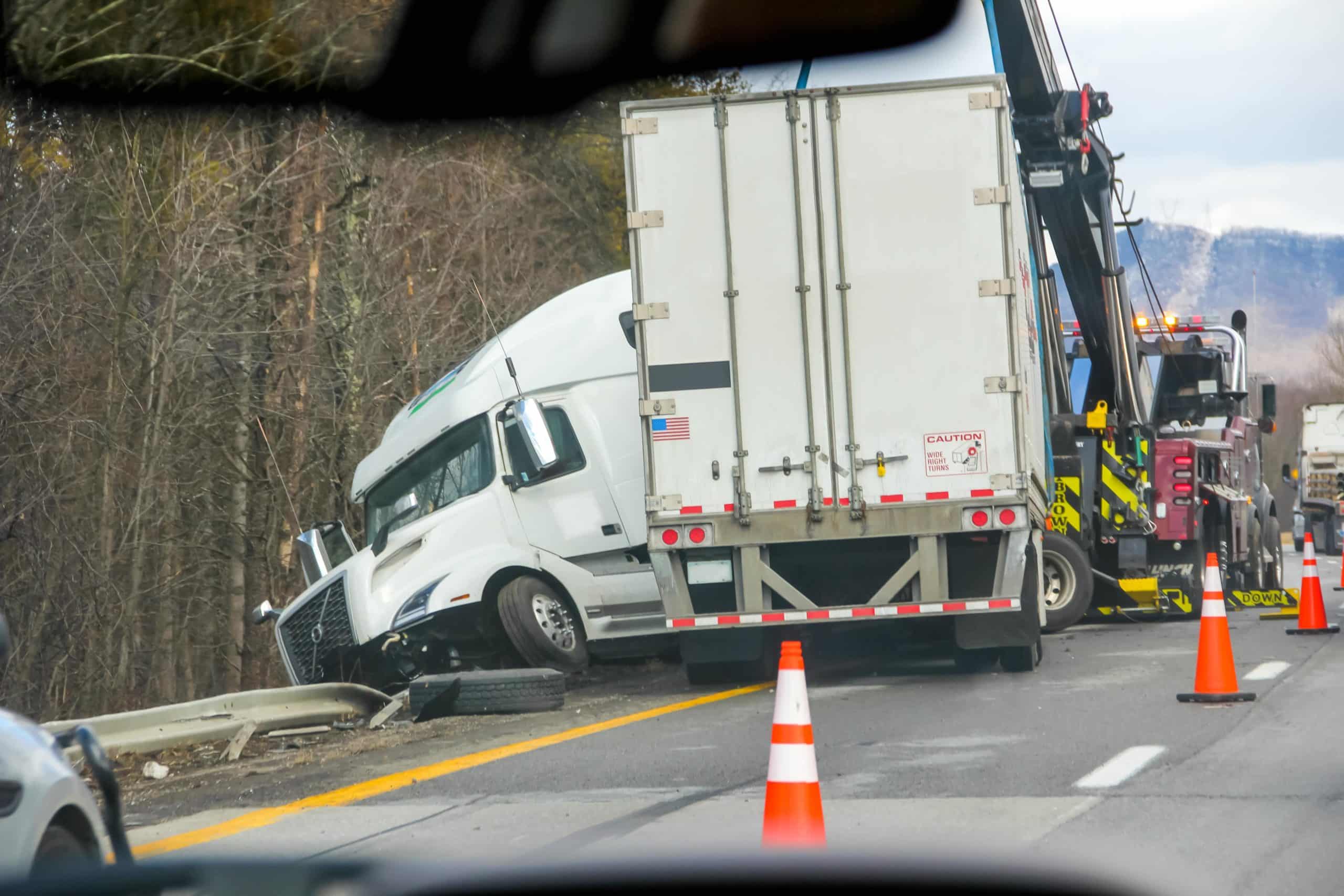
Car crashes happen every day in the United States, which can be devastating from a physical and financial standpoint. They not only happen to regular drivers but to commercial ones, which means companies must take immediate action to ensure driver safety and proper post-accident steps, such as testing and insurance provision.
Who Should Be Notified?
After a commercial collision has taken place, the following people or departments should be notified:
- A local personal injury attorney
- Commercial auto insurance
- Towing and salvage vendors
- Emergency cleanup
- A medical professional
Your company should also contact experienced car accident lawyers as they understand local laws. An attorney can ensure all documentation steps have been properly followed.
How Do I Secure Employee Safety?
The first step is to ensure the safety of the driver and anyone else involved. A driver should conduct a full-body scan to check for any visible signs of injury and also assess the well-being of anyone else involved in the accident.
If possible, the driver should activate their hazard lights and move vehicles to safety if the law permits doing so and the vehicle is still drivable.
Don’t Wait for That Health Checkup
Even if they don’t feel any immediate pain or show visible signs of injuries, the driver should immediately get medical assistance from emergency services and later their primary care doctor. After all, car crashes can result in internal injuries that may take days or weeks to show up, such as whiplash.
Signs of whiplash may show up as:
- Neck pain and stiffness
- Loss of neck motion
- Dizzinness
- Arm numbness or tingling
Failure to get immediate medical care can affect any potential Worker’s Compensation claims if symptoms begin to show later.
What Information Needs to Be Gathered?
After an accident, it is mandatory for commercial motor vehicle drivers to get a post-accident drug and alcohol test. Alcohol testing must be done in eight hours, whereas other substance testing should be handled within 32 hours.
At the time of the incident, all the drivers involved should exchange contact details such as:
- Names
- Insurance policies
- Vehicle data
Drivers should take comprehensive photos of vehicle damage and any visible injuries to themselves. Document road conditions, such as broken traffic signals or skidmarks. It’s also a good idea to take snapshots of the other license plates in case you need to track down one of the drivers for an interview later.
It’s also important to preserve vehicle data from the incident. Request or download the electronic logging device and event data recorder records. It captures data on driver speed in breaking patterns. It also notes the seatbelt use.
Dash cam footage can also help evaluate driver behavior and the timelines of the events that they report. There should be both forward- facing and in-cab dash cam footage to review.
What Is the Reporting Process?
The driver should notify their manager or safety director as soon as possible after contacting emergency services. There is a standard vehicle accident form template for company accidents, so they should fill it out as completely as possible while the information is still fresh in their mind.
If someone is killed on the job, such as during a vehicle collision, employers must report the incident to the Occupational Safety and Health Administration (OSHA) within 8 hours. Inpatient hospitalization should be reported within 24 hours.
What About Insurance Coverage?
Whose insurance covers the situation depends on who was at fault. Expect the company’s commercial auto policy to cover any third-party injuries and property damage if your driver was liable for the accident.
However, if the other party is at fault, the company can pursue their insurance as a third-party claim. Your employee is entitled to file a Worker’s Compensation claim to help them recover the cost of medical care and any lost wages due to an injury.
Take Professional Steps After a Worker Collision
Getting a call that your driver has been involved in a collision can be a scary thought, especially if there are injuries or fatalities. Follow the necessary steps to ensure their safety, prove liability, and do a proper follow-up after the accident. Get legal advice so they can guide you and any involved employees throughout the process and ensure you report to agencies in a timely manner.