

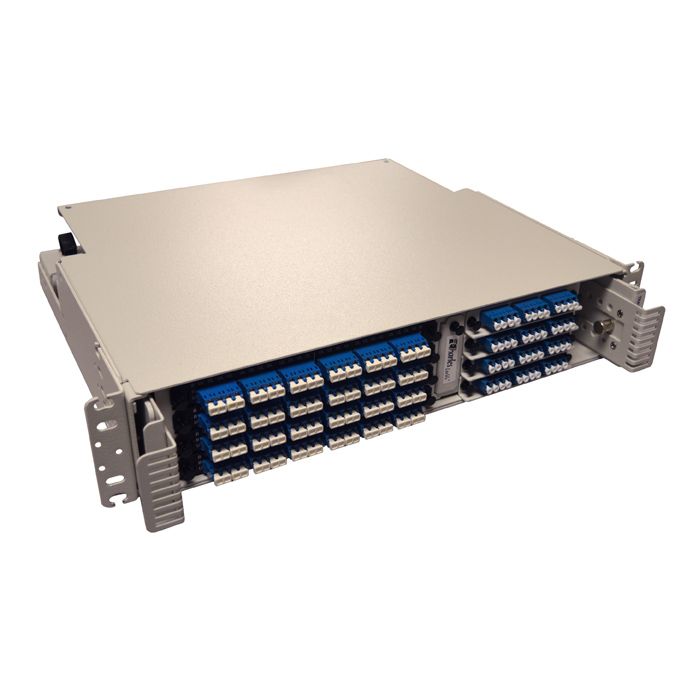
An Optical Monitoring System (OMS) is a technology used to observe, analyze, and maintain the performance of optical signals in real time. These systems are essential for ensuring the efficient operation of optical networks, lasers, and other components, providing continuous monitoring without interrupting the ongoing processes. OMS are widely applied in industries such as telecommunications, medical devices, aerospace, and scientific research. Their main advantage is the ability to provide real-time feedback, helping prevent system failures and ensuring peak performance. With the growing demand for high-speed communication and precise measurements, these systems have become indispensable tools for various fields. They enable industries to track signal quality, detect potential issues early, and optimize performance without causing disruptions.
Components of an Optical Monitoring System
An OMS consists of several essential components that work together to provide real-time performance monitoring. These include:
- Light Sources: Typically lasers or LEDs that generate optical signals to be observed. The choice of source depends on the application and the type of signal required.
- Detectors: Devices that capture optical signals and convert them into electrical signals for analysis. Common types are photodiodes and charge-coupled devices (CCDs).
- Optical Fibers and Waveguides: These mediums transmit the optical signals. The quality of the fibers and waveguides significantly impacts performance.
- Signal Processing Units: After detection, the captured data is processed to determine signal strength, noise levels, and any irregularities. Software interfaces are used for real-time data display and issue detection.
Working Principles of Optical Monitoring Systems
OMS continuously measure the transmission, reflection, and scattering of optical signals to assess the condition of optical components. The main principles of operation include measuring signal strength, noise, and degradation. These systems collect data in real-time, providing immediate feedback if an issue arises. For example, if a fiber optic cable loses signal strength, the OMS alerts operators so corrective actions can be taken before failure occurs. They also allow for precise fault localization, helping minimize downtime and ensure continuous operation.You can learn more here about sputtering systems used in optical monitoring.
Applications of Optical Monitoring Systems
OMS are used across industries to ensure the reliability of optical components. In telecommunications, they monitor fiber optic networks, detecting signal loss or damage. In medical devices, they ensure the quality of optical systems in imaging tools like endoscopes. The aerospace industry utilizes OMS to monitor optical instruments on satellites and telescopes, ensuring they function properly in space. Additionally, OMS are employed in scientific research to maintain the precision of optical systems used in experiments.
Advantages of Implementing Optical Monitoring Systems
The integration of OMS into optical networks and equipment offers several benefits. The most significant is the improvement in system reliability, as real-time data helps identify faults early, preventing failures and minimizing downtime. OMS also contribute to quality control in manufacturing by ensuring optical components meet performance standards. By detecting potential issues before they escalate, these systems help reduce maintenance costs and extend the lifespan of optical components.
Challenges and Limitations of Optical Monitoring Systems
While OMS offer significant advantages, they also come with challenges. Sensitivity to environmental factors like temperature changes and vibrations can affect measurement accuracy. Calibration is essential to ensure proper functioning, and improper calibration may lead to inaccurate readings. Additionally, the initial cost of setting up OMS can be high, making them a significant investment. Finally, OMS generate large amounts of data, which may overwhelm operators without proper data management tools.
Future Trends in Optical Monitoring Systems
The future of OMS looks promising, with several trends likely to shape their development. The integration of artificial intelligence (AI) and machine learning (ML) will enhance their ability to predict issues and optimize optical system performance in real-time. Advancements in sensor technology will provide even more precise measurements, and miniaturization of these systems will make them more accessible to industries. As optical technologies continue to evolve, the demand for advanced monitoring systems will grow, making OMS an essential tool in ensuring the reliability and efficiency of optical components.
In conclusion, Optical Monitoring Systems are vital for the efficient operation of optical systems across various industries. From telecommunications to aerospace, they offer real-time insights that help detect faults, optimize performance, and reduce downtime. As technology progresses, OMS will become even more advanced, offering greater precision and predictive capabilities to ensure the continued success of optical systems.
