A car accident on the I-405, I-10, Highway 99, or a busy Los Angeles intersection can leave more damage than what you see on the surface. While dents, broken lights, and scratched paint are obvious, hidden damage may affect your vehicle’s safety, performance, and long-term value. Understanding which collision repair services your car needs after a crash can help you make informed decisions and avoid costly problems later.
Before authorizing repairs, it is important to know what technicians should inspect, what damage may be hidden beneath the exterior, and how proper repairs help protect both you and your vehicle.
Why a Post-Crash Inspection Matters
After a collision, some damage may not be visible immediately.
A professional inspection can help identify:
- Frame damage
- Suspension issues
- Wheel alignment problems
- Airbag system concerns
- Damaged sensors and cameras
- Hidden structural damage
Even a relatively minor accident can affect critical vehicle systems. That is why thorough collision repair services begin with a complete inspection rather than focusing only on cosmetic damage.
Collision Repair Services Your Vehicle May Need
Every accident is different. The repairs required will depend on the severity and location of the impact.
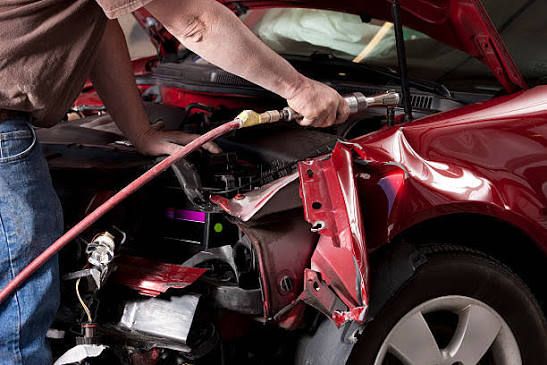
2. Structural Repairs
Modern vehicles are designed to absorb crash energy. If the frame or structural components are damaged, technicians may need to restore the vehicle’s structural integrity.
These repairs help:
- Maintain crash protection
- Improve vehicle stability
- Restore manufacturer specifications
2. Body Panel Repair and Replacement
Doors, bumpers, fenders, quarter panels, and hoods often suffer visible damage after a collision.
Depending on the extent of the damage, technicians may:
- Repair dents
- Replace damaged panels
- Restore panel alignment
Proper repairs help ensure the vehicle looks and functions as intended.
3. Paint Matching and Refinishing
After body repairs, refinishing helps restore the vehicle’s appearance and protect exposed surfaces.
Quality paint services may include:
- Color matching
- Refinishing
- Protective coatings
- Corrosion prevention
Proper paint repair helps preserve resale value and the overall appearance of the vehicle.
4. Suspension and Alignment Repairs
A collision can affect how your vehicle handles, even if no obvious damage is visible.
Signs of alignment or suspension issues may include:
- Pulling to one side
- Uneven tire wear
- Steering wheel vibration
- Reduced handling performance
Repairing these issues helps improve vehicle safety and driving comfort.
5. Safety System Calibration
Many modern vehicles rely on advanced safety technology.
After an accident, technicians may need to inspect and recalibrate:
- Lane departure warning systems
- Collision avoidance systems
- Adaptive cruise control
- Parking sensors
- Backup cameras
These collision repair services are essential to ensure that safety features continue to function properly.
How Poor Repairs Can Create Future Problems
Not all repairs are of the same quality.
After a rear-end collision on Crenshaw Boulevard or a freeway crash on the I-405, rushed repairs may leave hidden issues unresolved.
Potential long-term problems include:
- Reduced vehicle value
- Premature tire wear
- Alignment problems
- Corrosion
- Recurring mechanical issues
- Compromised safety performance
The lowest repair estimate is not always the best option when long-term reliability is at stake.
How to Know If Your Vehicle Was Properly Repaired
Once repairs are complete, drivers should monitor how the vehicle performs.
Look for:
✓ Straight tracking while driving
✓ No warning lights on the dashboard
✓ Properly aligned body panels
✓ Consistent paint finish
✓ Smooth steering response
✓ Normal braking performance
If something feels different after repairs, ask questions and request additional inspections if necessary.
Why Documentation Matters
Keeping records throughout the repair process can help you stay informed and protect your investment.
Helpful documents include:
- Repair estimates
- Photographs
- Invoices
- Inspection reports
- Warranty information
Good car collision documentation provides transparency and helps drivers understand exactly what repairs were performed.
Get the Right Repairs After a Collision
The repairs your vehicle receives after an accident can affect its safety, reliability, and value for years to come. Understanding which services are necessary helps you make confident decisions and avoid future problems.
Before authorizing repairs, make sure your vehicle receives a complete inspection and the quality workmanship it deserves.
Working with a repair facility that prioritizes complete inspections, quality workmanship, and transparent communication can help protect your vehicle’s safety and value long after the repairs are complete.