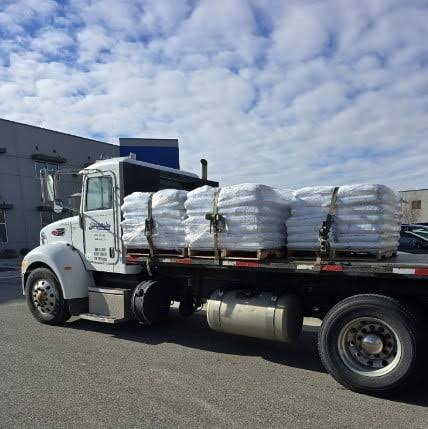
Commercial water treatment systems rely on a steady supply of water softener salt to keep performance stable and equipment functioning efficiently. This salt is specifically used in ion exchange-based softening units, where it helps regenerate resin beads that remove hardness minerals like calcium and magnesium from water. Without this supply, scaling issues and reduced efficiency can affect large commercial systems.
Across Utah, facilities depend on structured delivery services to maintain the uninterrupted operation of water treatment units. This salt is not cooking salt, but specially processed water treatment salt designed for commercial softening systems. One commonly used support model is commercial salt delivery in Utah, which ensures consistent replenishment based on usage levels and storage capacity. The following sections explain the main delivery methods used in commercial water treatment environments.
Bulk Salt Delivery for Large-Scale Operations in Utah
Large facilities in Utah with continuous water demand often rely on bulk delivery of water softener salt. This method supplies high volumes directly to commercial sites using industrial transport systems. It supports operations such as manufacturing plants, hospitality complexes, and institutional facilities where water usage remains high throughout the day. Bulk delivery reduces frequent refill cycles and helps maintain stable system operation. It also integrates well with large storage silos designed for extended use periods, ensuring steady availability for ongoing treatment processes.
Packaged Salt Delivery for Flexible, Smaller Quantities
Smaller commercial facilities or units with moderate water treatment needs often use packaged salt delivery. This format offers controlled quantities that are easier to handle and store within limited utility spaces.
Common packaged formats include:
- Sealed bags of water softener salt for routine refills
- Palletized stacking for organized storage and inventory control
- Moisture-resistant packaging to maintain product quality
- Easy-lift bags designed for practical handling in utility rooms
This method helps facilities maintain accurate usage control while avoiding unnecessary storage pressure.
Automatic Bagless Salt Delivery for Hands-Free Replenishment
Automatic bagless systems provide a streamlined method for supplying water softener salt directly into storage units. Instead of manual handling, salt is transferred through enclosed systems into tanks or silos. This approach supports facilities with automated water treatment setups that depend on consistent regeneration cycles. It also improves operational efficiency by maintaining a steady flow of supply while reducing manual intervention and handling effort. In many commercial setups, commercial salt delivery in Utah is integrated with automated systems to ensure continuous availability and stable system performance.
Ice Melt Salt Delivery to Keep Spaces Safe in Winter Use
Ice melt salt delivery supports commercial properties during colder months by managing ice formation on exterior surfaces. This material is different from water softener salt and is formulated specifically for safety applications such as walkways, parking areas, and loading docks.
Winter Readiness Planning
Utah facilities plan ice melt supply before freezing conditions arrive to maintain steady availability through winter. This advanced coordination supports uninterrupted access across commercial properties when weather shifts quickly. Prepared stock levels reduce operational strain during peak snowfall periods.
Convenient Storage Placement
Ice melt salt is positioned near entry points or high-use outdoor zones for faster access. Staff can respond quickly when surfaces begin to freeze, improving reaction time. This placement strategy also helps maintain safer movement across busy commercial areas.
Practical Packaging Design
Packaging for ice melt is designed for easy handling under cold and time-sensitive conditions. Distribution becomes faster since materials can be spread without operational delays. Such design choices also support safer and more efficient winter maintenance routines.
Professional salt delivery is essential for maintaining stable commercial water treatment systems under continuous demand. It ensures the right salt type, quantity, and timing reach each facility without interruption. Choosing the correct delivery method helps prevent disruptions, protect equipment, and support consistent water quality. Reliable planning also lets facility managers focus on system performance instead of supply issues. With precise logistics, water treatment operations stay efficient and dependable over time.