

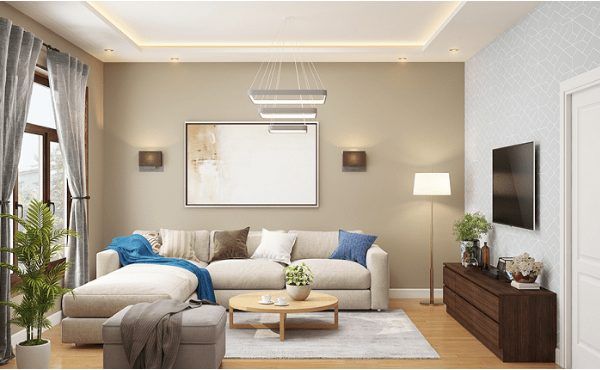
When it comes to making our homes more energy-efficient, lighting design often takes a backseat to better-known upgrades like insulation or energy-efficient appliances. However, thoughtful residential lighting design is one of the simplest, most cost-effective ways to lower energy consumption without sacrificing comfort or style.
This blog explores how lighting design can play a major role in improving your home’s energy efficiency. From understanding lighting technologies to optimizing natural light and implementing smart controls, you’ll gain actionable insights to transform your home into an energy-efficient sanctuary.
Understanding Lighting Technologies
The type of lighting you use at home has a huge impact on energy consumption. Switching to energy-efficient lighting is one of the easiest ways to reduce your electricity bill without compromising brightness or quality. Here are a few popular options to consider for your residential lighting design:
1. LEDs (Light-Emitting Diodes)
LEDs are the gold standard in energy efficiency. Consuming significantly less power than traditional incandescent bulbs, LEDs can last up to 25 times longer. These lights are available in a wide variety of colors and styles, making them ideal for virtually any space in your home.
2. Compact Fluorescent Lamps (CFLs)
CFLs use about 70-80% less energy than incandescent bulbs and last up to 10 times longer. They’re an affordable option, particularly for homeowners looking to transition to energy-efficient lighting incrementally. Keep in mind that CFLs contain a small amount of mercury, so proper disposal is important.
3. Halogen Lamps
Halogen lamps are a modern version of incandescent bulbs, using around 20-30% less energy. Although not as efficient as LEDs or CFLs, they provide a warm, natural light that can be perfect for settings where ambiance matters most.
By choosing the right bulb for each space, homeowners can optimize performance and lower their energy use, all while achieving their desired aesthetic.
Maximizing Natural Light
Harnessing natural light is another simple yet powerful way to increase energy efficiency in your home. Here’s how you can make the most of it:
- Strategic Window Placement: Consider window locations to maximize sunlight in living areas during the day. South-facing windows, for instance, allow more light to enter throughout the day.
- Use Light-Reflecting Surfaces: Mirrors, light-colored walls, and glossy finishes can help bounce natural light around the room, minimizing the need for artificial lighting.
- Install Sheer Curtains or Blinds: Heavy, opaque window treatments may block sunlight entirely. Opt for sheer fabrics instead to filter light while maintaining privacy.
- Trim Outdoor Landscaping: Trees and bushes can inadvertently block light from entering your home. Regularly trimming them ensures maximum exposure to natural light.
Implementing these small changes can significantly cut down your reliance on artificial lighting while creating a welcoming, well-lit environment.
Smart Lighting Controls
Smart lighting systems are game-changing when it comes to efficient residential lighting design. These tools allow you to automate and control lighting throughout your home to reduce unnecessary energy usage.
- Timers and Schedules
Use timer-based lighting systems to ensure your lights are only on when needed. This is especially useful for outdoor or decorative lighting.
- Motion Sensors
Motion-activated lighting automatically turns on when someone enters a room and switches off after they leave. It’s perfect for spaces like hallways, bathrooms, and garages.
- Dimmable Fixtures
Installing dimmable lights allows you to adjust the brightness in a room according to your needs and mood, potentially reducing power consumption.
With smart lighting controls, you can ensure your home is illuminated as efficiently as possible. Connected to an app or a central hub, these systems also provide the convenience of managing your lighting remotely.
Room-by-Room Lighting Strategies
A well-planned residential lighting design takes into account the specific needs of different rooms within your home. Here are some tailored strategies for optimizing lighting by room:
Living Room
Go for layered lighting in your living room. Combine ambient lights (ceiling fixtures) with task lighting (floor lamps) and accent lighting (spotlights for artwork) to create a versatile setup. Use energy-efficient bulbs throughout.
Kitchen
LED strip lights under cabinets can provide task lighting for cooking while using minimal power. Consider overhead lights with dimmer options to adjust brightness throughout the day.
Bedroom
Stick to soft, warm lights for the bedroom to create a relaxing ambiance. Use bedside lamps with energy-saving LEDs for practicality and efficiency.
Bathroom
Install bright, energy-efficient lights around the vanity area for grooming tasks. To save energy, consider motion-sensor fixtures for general bathroom lighting.
Outdoor Spaces
Solar-powered lights are an excellent option for outdoor areas, as they require no electricity and harness energy directly from the sun. Motion-activated security lights can also improve efficiency outside your home.
Make Lighting Design a Priority in Your Energy-Efficiency Journey
Improving your home’s energy efficiency doesn’t have to mean sacrificing comfort or style. From switching to energy-efficient bulbs to maximizing natural lighting and using smart controls, thoughtful residential lighting design provides a simple yet effective way to reduce energy usage and save money.
Start small by incorporating one or two of the tips mentioned above, and gradually work your way toward creating a fully optimized system. By investing in smart lighting solutions today, you’ll reap both immediate savings and long-term environmental benefits.
