



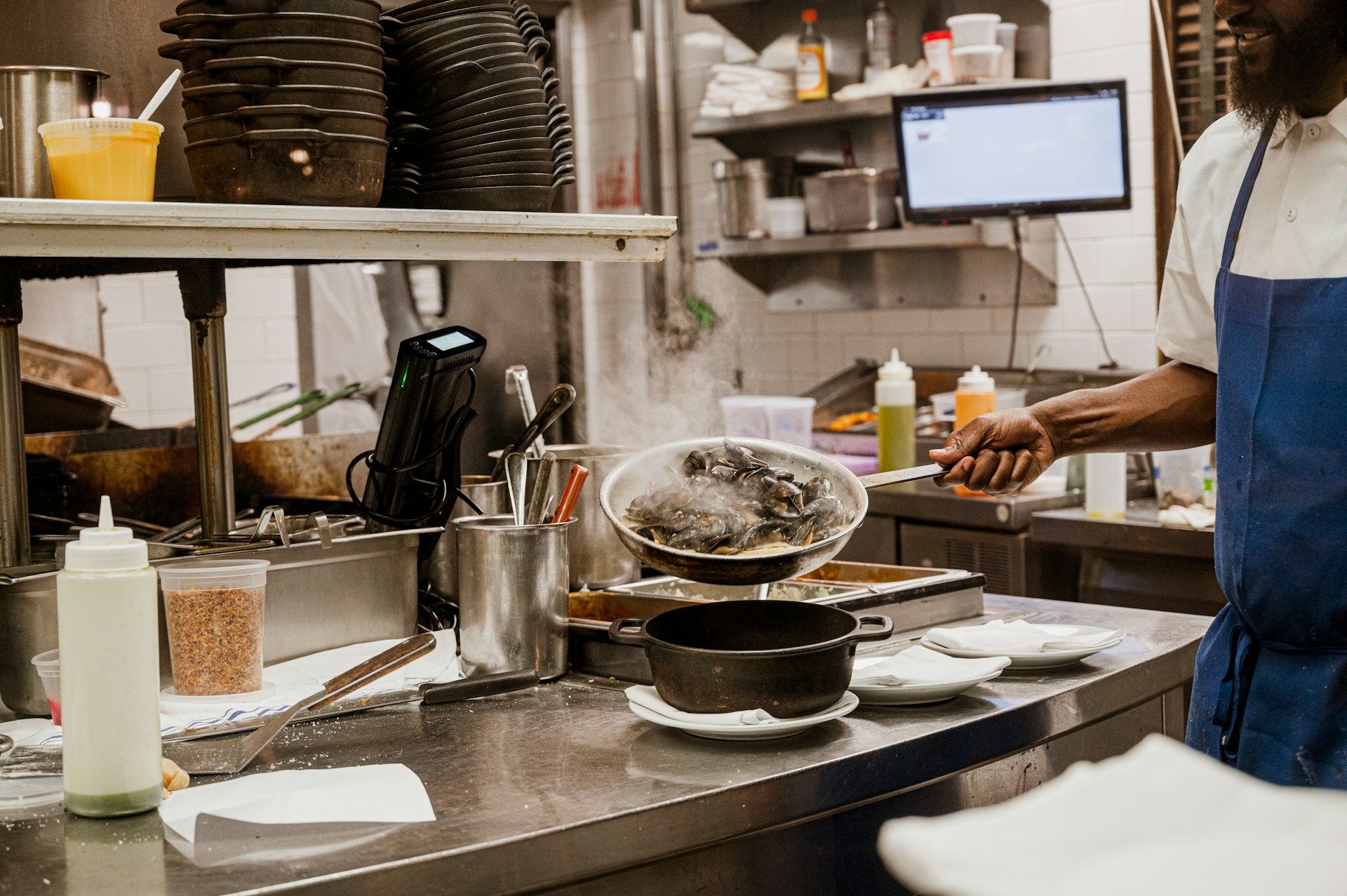
Cutting fryer downtime in quick-service kitchens comes down to consistent maintenance, smart equipment choices, and efficient workflows. When fryers are running smoothly, kitchens can maintain speed, reduce labor strain, and improve overall customer satisfaction. Even small delays can impact ticket times and revenue during peak hours.
Fryers are often the backbone of quick-service operations. From fries to chicken to specialty items, many menus rely heavily on consistent fryer performance. Any disruption can slow down the entire kitchen and create bottlenecks.
Building a system that supports uptime requires both proactive planning and daily discipline. The strategies below focus on reducing interruptions, improving efficiency, and keeping your kitchen running at full capacity.
Set a Consistent Oil Filtration Schedule
Regular oil filtration keeps fryers operating efficiently and reduces the risk of breakdowns. Clean oil helps maintain proper heat transfer and extends equipment life.
Skipping filtration can lead to poor food quality and longer recovery times. Establishing a routine ensures consistency across shifts.
Key filtration practices include:
- Daily filtration cycles
- Mid-shift oil checks
- Scheduled deep cleaning
- Staff accountability
Choose Equipment That Supports Uptime
The type of fryer you use has a direct impact on downtime. High-recovery units and built-in filtration systems can significantly improve performance during busy periods.
Operators may consider upgrading your frying station when evaluating equipment options that reduce maintenance needs and improve efficiency. Investing in the right setup can prevent frequent interruptions and support smoother operations.
Features to look for include:
- High recovery rates
- Built-in filtration systems
- Durable construction
- Easy maintenance access
Stagger Vat Changeouts to Avoid Delays
Changing oil in all vats at once can create unnecessary downtime. Staggering changeouts allows part of the system to remain operational while maintenance is performed.
A staggered approach keeps production moving even during maintenance tasks. It also reduces pressure on staff during busy shifts.
Best practices for changeouts include:
- Rotate vat schedules
- Plan during slower periods
- Assign clear responsibilities
- Track maintenance timing
Train Staff for Consistent Drop Times
Inconsistent cooking practices can strain fryer performance. Proper training ensures that staff follow standardized procedures for loading and cooking.
Consistent drop times help maintain oil temperature and reduce recovery delays. Training also improves product quality and reduces waste.
Training focus areas include:
- Portion control
- Proper basket loading
- Timed cooking cycles
- Equipment handling
Monitor Key Performance Metrics
Tracking performance metrics helps identify issues before they become major problems. Data-driven decisions improve efficiency and reduce unexpected downtime.
Focusing on a few key indicators provides valuable insights into fryer performance. Regular monitoring allows for quick adjustments.
Important KPIs to track include:
- Recovery time
- Average ticket speed
- Oil quality levels
- Equipment downtime
Maintain Proper Oil Levels and Quality
Oil levels and quality directly affect fryer efficiency. Low or degraded oil can cause uneven cooking and increased strain on equipment.
Regular checks ensure optimal performance throughout the day. Maintaining proper levels also helps extend the lifespan of your fryer.
Daily oil management tasks include:
- Checking oil levels
- Skimming debris
- Monitoring color and clarity
- Replacing when needed
Schedule Preventive Maintenance
Preventive maintenance reduces the risk of unexpected equipment failures. Routine inspections help identify wear and tear before it leads to downtime.
Working with a maintenance schedule keeps equipment in top condition. Consistent upkeep supports long-term reliability.
Maintenance priorities include:
- Inspecting heating elements
- Checking thermostats
- Cleaning components
- Replacing worn parts
Optimize Kitchen Workflow Around Fryers
An efficient kitchen layout and workflow can reduce strain on fryers. Positioning equipment strategically helps staff move quickly and safely.
Streamlined processes improve speed and reduce errors during busy periods. A well-organized station supports consistent performance.
Workflow improvements include:
- Clear station setup
- Defined staff roles
- Efficient traffic flow
- Accessible tools and supplies
Improving Fryer Efficiency for Long-Term Success
Reducing fryer downtime requires a combination of smart equipment choices, consistent maintenance, and well-trained staff. Each improvement contributes to faster service and a more reliable kitchen operation.
Focusing on efficiency not only reduces delays but also improves food quality and customer satisfaction. Small adjustments can lead to significant gains over time.
Operators who invest in strategies like upgrading their frying station and maintaining strong operational habits can keep their kitchens running smoothly. A proactive approach ensures your fryers support your business rather than slow it down.
Well-managed fryers also create a more predictable kitchen environment, making it easier to train staff and maintain consistency across shifts. Over time, these small operational improvements can give your team a noticeable edge in both speed and overall service quality.


