

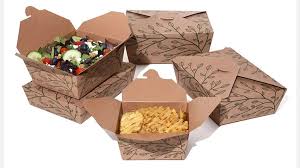
The increasing awareness of environmental issues and the push for sustainability in all realms of life have carved a niche for sustainable practices in the packaging industry. Traditionally, food packaging has leaned heavily on plastics for their versatility and cost-effectiveness. However, as the detrimental effects of plastic waste come to light, alternative materials have gained traction. This article delves into the benefits of switching to paper food packaging as a sustainable choice for businesses and consumers alike.
Sustainability in the Spotlight
Environmental responsibility is no longer a fringe concern, but a mainstream demand. Paper products stand at the forefront of this ecological revolution. Made from renewable resources, WF Plastic paper products offer a green alternative to traditional plastic options. Not only do they represent a positive step for the environment, but they also signal a brand’s commitment to sustainability—a factor increasingly important to consumers.
The Evolution of Paper Packaging
Paper food packaging has evolved significantly over the years, with modern technologies enhancing its durability, functionality, and aesthetic appeal. Thanks to these innovations, paper packaging is competing fiercely with plastic, showing that businesses need not compromise on quality when making the eco-friendly switch.
Redefining Convenience with Paper
One of the long-standing benefits of plastic was its convenience. However, paper packaging now equals and even surpasses plastic in this regard. The introduction of coatings and treatments has improved the resistance of paper products to grease and moisture, ensuring they can reliably contain a range of food items without compromising on integrity.
Inspiring Design Potential
Paper also offers vast design potential. Its surface is easily printable, allowing for high-quality branding opportunities which can help businesses establish and promote their identity. Moreover, the organic appearance of paper can enhance the perceived value of the product, appealing to consumers’ desire for premium and natural products.
Adaptable and Versatile
Paper packaging’s versatility is impressive, with a host of products available to cater to different needs. From simple wrappers to sophisticated paper bowls, the array of paper-based solutions is vast, proving that paper can suit almost any food packaging scenario conceivable.
Environmental Benefits Unpacked
Choosing paper food packaging isn’t just about sustainability in an abstract sense; there are tangible environmental benefits. For one, paper is biodegradable, breaking down naturally and reducing the burden on landfills. This characteristic alone represents a significant advantage over traditional plastics.
From Trees to Packaging
The renewability of paper’s primary resource—trees—is a big part of its eco-friendliness. Responsible sourcing from well-managed forests ensures that the consumption of paper products does not lead to deforestation but rather supports sustainable forestry practices.
Recycling Leads the Way
Recyclability is a key strength of paper packaging. It can be recycled multiple times, reducing the need for virgin materials and conserving natural resources. The ease of recycling paper compared to plastic also means it is more likely to be recycled properly, thus reducing its environmental impact.
The Competitive Edge of Sustainability
Embracing sustainable paper food packaging can offer businesses a competitive edge. Surveys have repeatedly shown that a growing segment of consumers prefer environmentally-friendly packaging and are willing to change their purchasing behaviours to support sustainability.
Business Benefits Beyond the Environment
Aside from the environmental arguments, there are several business benefits to adopting sustainable paper products. These include potential cost savings through material efficiency and improved brand image that taps into consumer consciousness around green issues.
A Response to Regulatory Changes
Governments across the world are tightening regulations around single-use plastics, making paper packaging not just an environmentally sound choice, but also a pragmatic one for business compliance.
Consumer Engagement and Education
Part of the success of sustainable paper packaging lies in consumer engagement. Educating customers about the benefits of paper over plastic can lead to increased brand loyalty and a community of environmentally aware patrons.
Encouraging Responsible Disposal
While paper is biodegradable and recyclable, its environmental benefits are maximised when disposed of correctly. Businesses have a role to play in highlighting proper disposal methods, such as recycling or composting when appropriate.
A Commitment to Future Generations
Adopting paper packaging is not just a business strategy; it’s a commitment to future generations. It demonstrates a dedication to preserving the planet and its resources for those who will come after us.
Conclusion: The Path Forward with Paper
The move towards sustainable paper food packaging is more than a trend—it’s a manifestation of a growing consciousness about how daily actions affect the world. With modern advancements making it a practical and versatile choice, paper food packaging stands poised to play a significant role in shaping a greener future for the packaging industry. By integrating eco-friendly practices such as this, businesses can make a real impact in the fight against environmental degradation while resonating with the values of their customer base.
