

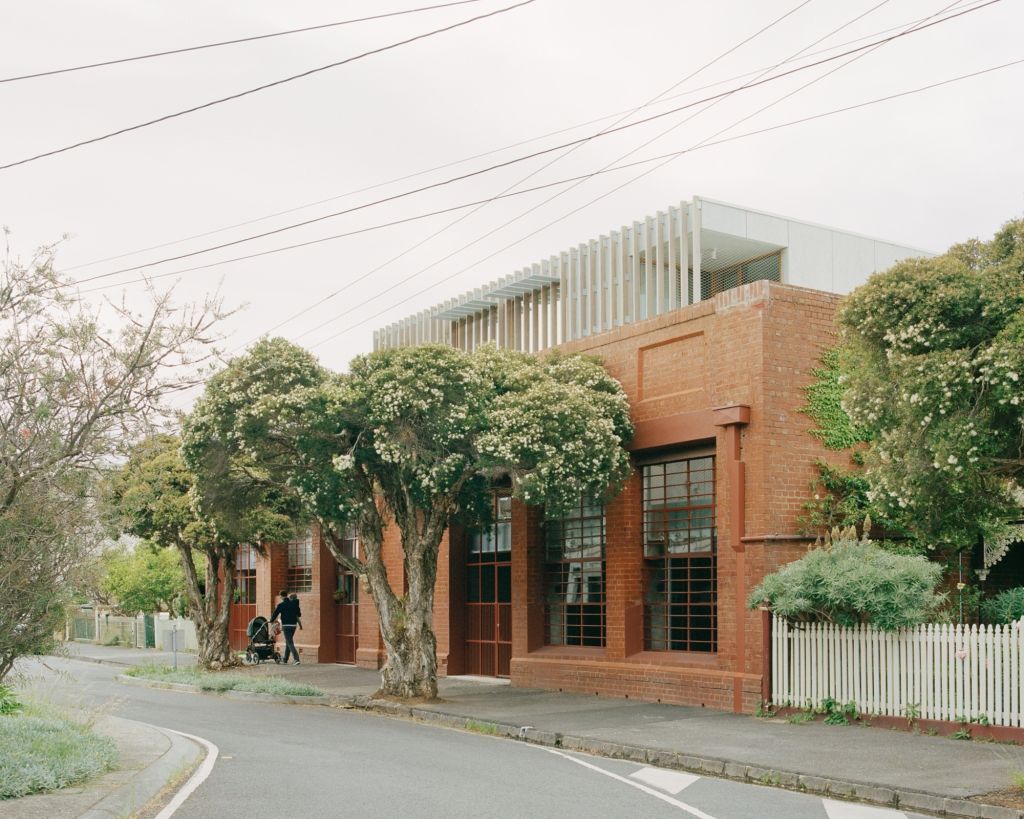
Modern retail environments are evolving beyond functionality and aesthetics to embrace human connection with nature. Australian retail spaces are increasingly influenced by this shift, integrating design approaches that foster natural interaction. Including organic materials, access to sunlight, greenery, and natural airflow reshapes how consumers experience shopping environments. These features influence dwell time, emotional well-being, and perception of space.
Retailers and developers recognise the value of design strategies that create immersive, nature-connected experiences. As this design philosophy gains traction across commercial sectors, biophilic architecture becomes a key tool for retail spaces aiming to enhance both customer satisfaction and sustainability. This approach is now shaping how retail environments across Australia are designed, leading to spaces that are not only more engaging but also contribute to environmental and community well-being.
Nature-Inspired Design in Retail Contexts
Biophilic architecture refers to intentionally integrating natural elements into the built environment to foster a deeper connection with nature. This includes using daylight, vegetation, natural textures, and open-air concepts in retail. It extends beyond aesthetics, functioning as a strategy to enhance well-being, sensory comfort, and emotional response within a commercial setting.
For retail developers, it becomes a multidimensional approach that shapes how consumers move through and experience a space. It influences layout decisions, circulation flow, and sensory interactions within the environment. By integrating natural cues, developers can create intuitive pathways and focal points that guide attention and encourage discovery.
Design Elements That Enhance Retail Environments
Biophilic design in retail is implemented through the deliberate use of natural and sensory-rich components. The following elements are commonly used across various Australian retail projects:
- Natural daylight through skylights, clerestory windows, and open façades
- Green features such as vertical gardens, planters, or green roofs
- Water installations that provide calming sounds and evaporative cooling
- Timber, stone, and earth tones in surface materials
- Spatial layout with curved forms and organic circulation pathways
- Cross-ventilation systems for natural airflow
These components work together to produce a cohesive environment that supports relaxation and prolonged engagement within a retail space.
Consumer Experience and Emotional Response
The impact of biophilic architecture on customer behaviour is well-documented in commercial settings. Australian retail spaces with natural integration often see longer dwell times, improved satisfaction, and more frequent visits. Natural surroundings encourage a sense of calm and openness, reducing overstimulation commonly associated with high-traffic shopping areas.
Shoppers feel more connected to the space, which increases the likelihood of exploration and return visits. Incorporating greenery and open-air elements also creates memorable spatial experiences that enhance brand recognition and emotional attachment. These immersive environments subtly influence behaviour, encouraging longer stays and deeper engagement with the surrounding retail offerings.
Retailer Benefits and Commercial Performance
For retailers and property owners, biophilic design contributes directly to performance metrics. Enhanced customer engagement can increase sales per visit and stronger brand loyalty.
From an operational standpoint, biophilic elements also support:
- Reduced energy costs through passive lighting and ventilation
- Improved indoor air quality, contributing to employee wellness
- Lower maintenance demands with durable, natural materials
- Greater adaptability to changing customer preferences
These practical advantages support long-term profitability and align with sustainable development goals.
Sustainability and Urban Integration
Nature-integrated design aligns closely with sustainable principles, particularly in urban settings where natural access is often limited. Retail developments in cities like Sydney, Melbourne, and Brisbane have started to adopt open-air layouts, shaded corridors, and native vegetation as part of green infrastructure strategies.
These efforts reduce the urban heat island effect, enhance public spaces, and contribute to biodiversity. As part of broader urban planning, biophilic retail design complements public transport access, walkability, and climate resilience. It also fosters stronger community interaction by creating inviting spaces supporting commercial activity and social engagement.
Adaptability Across Retail Formats
One of the strengths of biophilic design is its flexibility across various retail formats. The principles remain effective whether applied to small retail pods, open-air lifestyle centres, or high-end commercial complexes.
Examples of applications include:
- Boutique shops use wood finishes and potted plants to create intimacy
- Shopping centres with landscaped courtyards and rainwater gardens
- Outdoor malls that blend tree-lined walkways with shaded seating areas
- Retail-hospitality hybrids incorporating natural textures, aromas, and acoustic elements
This scalability ensures that retailers across sectors and budgets can apply biophilic strategies to enhance spatial quality.
Australian Innovation and Market Direction
Australia’s architectural community is actively exploring biophilic innovation in commercial development. This approach aligns with current market expectations, shifting consumer behaviour toward environmental responsibility and wellness.
Designers and developers in Australia are setting benchmarks by embracing local flora, environmentally responsive materials, and adaptive building strategies that reflect regional conditions. This trend is supported by policy movements encouraging sustainable urban design, creating a promising future for biophilic retail spaces nationwide.
Biophilic architecture influences the future of retail in Australia by transforming how spaces are designed, experienced, and valued. By integrating nature-inspired features, retail environments gain both function and emotional resonance. This approach benefits retailers, consumers, and the urban landscape from visual appeal to long-term sustainability. Thoughtfully applied, biophilic design delivers commercial spaces that are healthier, more engaging, and environmentally responsive.
