

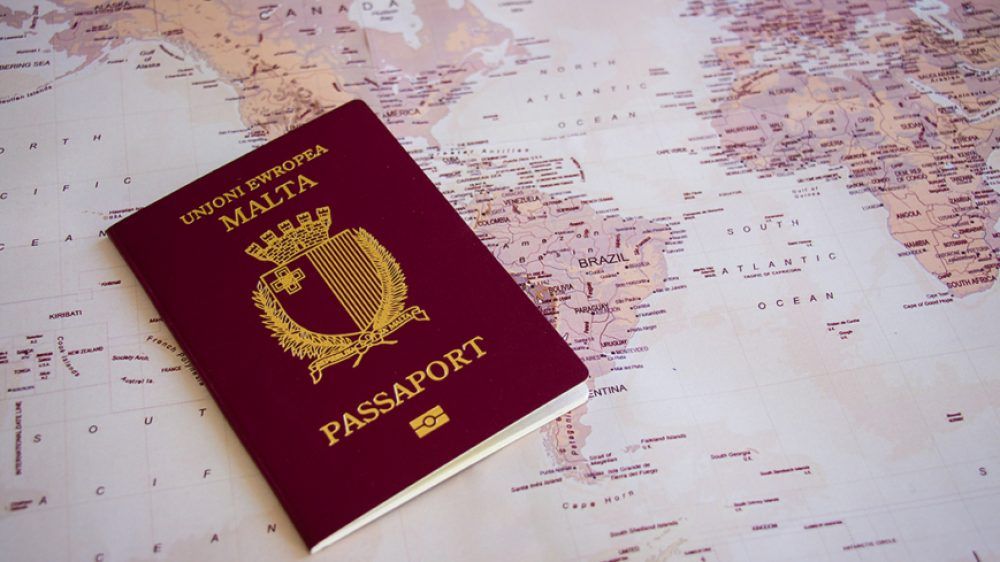
In 2014, the Maltese Individual Investor Program (MIIP) was established to offer a pathway to citizenship for individuals willing to invest in Malta over 12 months. However, in 2020, the program changed, giving rise to the Maltese Citizenship by Naturalisation for Exceptional Services by Direct Investment (MCNESDI) mechanism. This article provides an in-depth look at the regulatory framework, the process of obtaining Maltese citizenship by investment, and the associated costs and benefits.
Exploring the Regulatory Framework
In preparation for the issuance of Maltese citizenship by investment, authorities have established a new agency, the Maltese Community Agency (Maltese Agenzija Komunita Malta), tasked with overseeing all citizenship applications, including those based on investments. This independent regulatory body ensures meticulous oversight of the citizenship-granting process, giving potential investor citizens confidence in the system.
The newly implemented legal framework includes several recommendations from the European Commission to legitimize the immigration route as much as possible. Critical aspects of the framework include:
- Pre-residency requirements. Applicants must reside in Malta for at least one to three years to apply for Maltese citizenship by investment. However, more significant investments may reduce the residency period to 12 months, providing a faster route to citizenship.
- Background checks. Applicants undergo comprehensive and rigorous background checks, including meticulous evaluations of their sources of wealth and thorough assessments of the risk of money laundering and terrorist financing. Security monitoring is also carried out as part of the vetting process, ensuring the highest level of security and trust in the regulatory process.
- Follow-up monitoring. As a testament to the integrity of the process, authorities diligently monitor successful applicant investors for five years after their passports are issued. This ensures strict compliance with citizenship requirements, providing peace of mind and reassurance.
- Agent restrictions. The number of licensed agents providing invaluable legal support to potential investor citizens is limited, ensuring the highest quality of service. Aggressive marketing practices are not allowed. These authorized agents guide and support applicants throughout the citizenship application process, providing a sense of security and assurance. They cannot communicate directly with host country authorities, but rest assured, their interests are well-represented.
As you see, it takes some effort to become a Maltese citizen. Adhering to the prescribed practices and regulations is crucial to ensure the swift processing of applications for dual Maltese citizenship by investment. Any deviations from the established rules may delay or reject the application. It is recommended that applicants thoroughly review the relevant documents and comply with the stipulated procedures to maximize the likelihood of a successful outcome.
Ineligible Applicants
The Maltese government has specified certain jurisdictions from which applicants will not be eligible to obtain Malta’s economic citizenship by investment. These include:
- Afghanistan
- Iran
- North Korea
In addition, individuals who are residents of the countries listed above, conduct business there, or have significant ties with any of these nations will not be eligible for Maltese economic citizenship by investment. Citizens from countries prohibited from entering the United States are also not eligible.
Eligible Dependents for Malta Citizenship by Investment
Applications for Maltese citizenship by investment are open to adult principal candidates aged 18 and above. These candidates are allowed to include the following dependents:
- Spouse: A spouse in a monogamous marriage or a partner with such status. It’s important to note that “spouse” is considered gender-neutral, meaning same-sex marriage is allowed.
- Children:
- The child of the principal applicant/spouse under 18 years old.
- The economically dependent and unmarried child of the principal applicant/spouse under the age of twenty-nine (29) at the time of the Agency’s application.
- The child of the principal applicant or spouse, including adopted children, who have turned eighteen (18) at the time of application and are recognized as individuals with disabilities.
- Parents: Economically dependent parents or grandparents of the primary applicant/spouse over 55 years old.
These eligible dependents can be included in the application for Maltese citizenship, allowing families to apply together.
Cost Breakdown for Malta Citizenship by Investment
Here is a detailed breakdown of the costs associated with obtaining Maltese citizenship by investments, including residency and passport fees:
Residency stage:
- Partial payment of non-refundable deposit:
- Applicant: €10,000
- Additional Person: €1,000
- Residence permit:
- Applicant: €5,000
- Additional Person: €1,000
- Resident card:
- Applicant: €27.5
- Additional Person: €27.5
Fitness testing stage:
- Comprehensive check fee:
- Applicant: €15,000
- Additional Person: €10,000
- Sponsor: €15,000
- Administrative fee:
- By €1,000 per applicant/dependent
Stage of obtaining citizenship status:
- Grant to the National Development and Social Security Fund:
- Applicant: €590,000 (36-month residency) or €740,000 (12-month residency)
- Additional person: €50,000
- Administrative fee:
- Applicant: €5,000
- Additional person: €1,000
- Accommodation:
- Acquisition of residential property (minimum cost): €700,000
- Rent (minimum annual rent): €16,000
- Donation to an officially registered charitable, cultural, sporting, scientific, or artistic non-governmental organization or society: €10,000
Additional fees:
- Extending the validity of the resident card:
- Applicant: €227.5
- Additional person: €227.5
- Changing address:
- Applicant: €27.5
- Additional person: €27.5
To ensure transparency, licensed immigration agents are advised not to recommend non-governmental organizations where agency employees are shareholders or directors.
These fees cover various stages of the process, including residency, fitness testing, and obtaining citizenship status. It is essential to consider these costs when planning to acquire Maltese citizenship by investment.
Pros and Cons of Malta Citizenship by Investment
Pros:
- European second passport. MCNESDI beneficiaries receive an EU passport, which allows visa-free travel to the Schengen area, the USA, Canada, the UK, Australia, and more.
- Residency flexibility. Physical relocation to Malta is not mandatory so that individuals can maintain their current residences.
- Return on investment. Real estate investments offer potential financial gains after a 5-year ownership period.
Cons:
- Lack of anonymity. The government is publishing the names of citizenship recipients, which has raised privacy concerns.
- Higher cost. Malta’s citizenship program may be more expensive than other countries.
- Longer process. Acquiring Maltese citizenship by investment might take longer than other places.
These factors help individuals make well-informed decisions about obtaining Maltese citizenship by investment.
Conclusion
Navigating Maltese citizenship by investment requires careful planning and adherence to regulatory requirements. While the program offers numerous benefits, including EU citizenship and global mobility, applicants must consider the associated costs and obligations. By working with experienced professionals and following the prescribed procedures, individuals can successfully obtain Maltese citizenship and enjoy the privileges it offers.
