

In the early 1900s, the local retailer ruled the roost. Whichever brand he priced the most attractively and stocked the most sold out the fastest. When the printing press went brrr in the 1930s, print advertising started impacting purchasing decisions. The most creative ads with widely known faces became popular.
The TV boom expanded the game, making production costs higher, budgets bigger, and ambitions soar. Popular ads during late-night shows and the Super Bowl became the talk of the town. The Internet changed things forever after its rise in the late 1990s. Social media platforms became the new battleground for brands, with each vying for consumer attention.
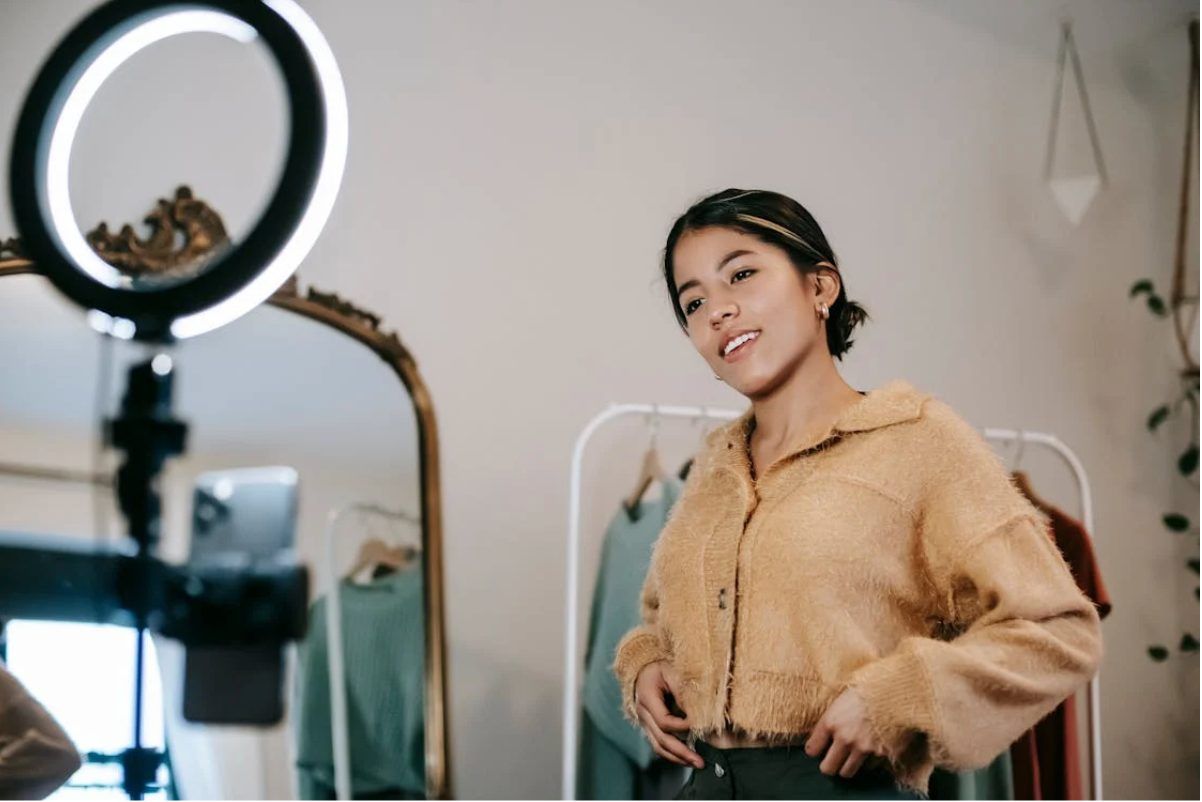
In this shifting landscape, a new channel of marketing has emerged: Influencer marketing Agency is a necessity for today’s digital-first customer.. This is a marketing strategy in which businesses and brands join forces with individuals who have credibility, goodwill, and following on a social media platform with the intent to promote a particular product, service, or company. For small business owners, they can be a credible and cost-effective source of marketing traction. However, before dipping their toes into the market for their star campaigner, here are four things that they should keep in mind.
1. Choose someone who aligns with your brand
Any marketer or current student of marketing MBA programs knows that alignment is crucial in influencer marketing. Collaborating with an influencer who does not match your brand vibe and whose follower base isn’t relevant to your product or service can have the opposite effect and damage your brand trust. For instance, a high-end interior design business should refrain from collaborating with a teen gamer. Unrelated partnerships are a bit like serving sushi at a Texas barbeque. It just doesn’t add up.
2. Don’t overlook smaller creators
First-time collaborators can make the mistake of running behind influencers with big numbers. Ignore micro-influencers at your own peril. Search for creators who seem authentic and who do not wildly jump on the latest trend. Some influencers with less than 10k followers can actually have a more engaged community. Look out for the number of comments and likes on their posts. For instance, for a cafe in Dallas, a food vlogger in the city with 6000 active followers is a better fit than a distant celebrity chef who has more than 60,000 followers.
Microinfluencers also come with lower costs, so they can be a perfect fit for the constrained small business owner. Use social media search and hashtags to make a list of prospective influencers. The influencer marketplace can be a handy tool to hunt for partners in the right audience, location, and niche.
3. Establish KPIs and expectations early
After selecting the right person, clarifying the key performance indicators can help set the ball rolling for a successful partnership. First, determine the goal of the campaign. It can be one or more of the following:
- Brand awareness: Maximize reach and impressions.
- Engagement: Boost likes, comments, and shares.
- Conversions: Drive form submissions, cart fill ups, or leads.
- Content creation: Generate high-quality content.
After determining the goal, the focus should be on deciding measurable performance indicators like comments, views, link clicks, shares, or likes. Use reliable tracking tools like Google Analytics and Bitly promo codes to gauge performance accurately. Agree on the terms of compensation. They can be free samples, vouchers, flat fees, or even an affiliate model. Ensure proper legal documentation by signing a formal contract.
4. Work with the influencer
Selecting the contract and paying the compensation is not the end of the road for such campaigns. Close collaboration is a fundamental part of influencer marketing. Be wary of micromanaging and curbing the creative freedom of your influencer. While being on brand is important, influencers need to be given the creative space to craft effective and unique campaigns. Keep track of the performance and engage positively with the influencer. See it as a long-term partnership and not a mere transaction.
Influencer marketing is a necessity for today’s digital-first customer. These creative individuals can help your business stand out on social media and generate tangible leads. Ensure proper research before choosing the right person. Start by collaborating with micro-influencers who have smaller but more engaged audiences. Set measurable KPIs for every step of the way and track performance regularly. Finally, remember to give the influencer enough bandwidth to do their own thing.
