

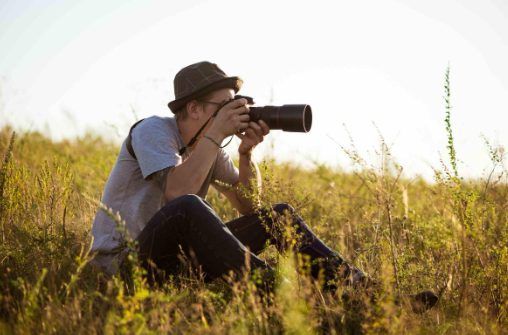
Wildlife photography offers a thrilling and fulfilling experience. It blends technical skill, patience, fieldcraft, and a deep respect for nature. Whether you’re passionate about big cats on the African savannah, birds in your backyard, or nocturnal mammals in dense forests, this article will guide you through the essential steps to succeed in the field.
Key Steps to Becoming a Wildlife Photographer
Step 1: Understand the Challenges
Wildlife photography isn’t as glamorous as it may seem. It often involves long hours of waiting, harsh weather conditions, and a great deal of unpredictability. Animals rarely cooperate, and ethical considerations — such as not disturbing wildlife or habitats — are paramount. A successful wildlife photographer must be mentally prepared for these realities and committed to responsible practices in the field.
Step 2: Invest in the Right Gear
You don’t need to buy the most expensive equipment right away, but investing in quality gear is critical. A DSLR camera with fast autofocus and a high frame rate is ideal. A long telephoto lens is essential if you want to capture wildlife from a distance. Don’t forget a sturdy tripod or monopod, memory cards, extra batteries, and weatherproof gear for protection in the field. Thermal imaging tools like the thermal monocular are also important for low-light or nocturnal conditions.
Step 3: Build Photography Skills
Master the fundamentals of photography: exposure, lighting, composition, and post-processing. Understanding your camera settings — especially shutter speed, aperture, and ISO — is crucial for capturing sharp images of moving subjects. Practice fast focusing and tracking, as animals can be unpredictable. Consider taking online courses, reading books, or attending workshops to continuously sharpen your technical skills.
Step 4: Learn About Wildlife
Understanding animal behavior is as important as knowing how to use a camera. Study the habits, habitats, and movement patterns of the species you want to photograph. This knowledge helps you predict where and when to find animals and how to approach them safely and ethically.
Step 5: Practice in the Field
You don’t need to travel far to begin. Start with local parks, forests, or wildlife reserves. Practice photographing birds, squirrels, or insects to build your patience and skills. The more time you spend in nature, the more intuitive your wildlife photography will become. Learn how to move quietly, use natural cover, and anticipate moments — these fieldcraft skills often make the difference between a good photo and a missed opportunity.
Step 6: Curate a Strong Portfolio
Once you’ve collected a variety of images, choose your best work to create a professional portfolio. Focus on quality over quantity, and organize your photos to tell compelling stories. Your portfolio should reflect your style and interests — whether it’s dramatic action shots, quiet portraits, or species diversity. This is what you’ll show potential clients, publishers, or gallery curators, so make it count.
Step 7: Keep Learning
Wildlife photography is an ever-evolving craft. Stay current with new techniques, gear, and conservation issues. Join photography groups, attend wildlife events, and engage with fellow photographers on platforms like Instagram or 500px. Feedback and collaboration can open new opportunities and fuel your passion.
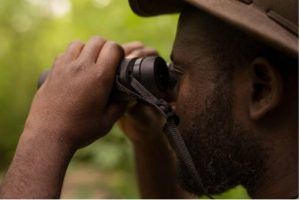
How to Make a Profit as a Wildlife Photographer
1. Sell Your Photos Online
There are many platforms where you can sell wildlife images. You can also sell prints on your own website or through services like SmugMug or Etsy. High-quality, well-composed wildlife photos are in demand for books, magazines, calendars, and even interior décor.
2. Teach and Guide Others
Once you gain experience, consider teaching workshops or leading wildlife photography tours. You can also create online tutorials, write eBooks, or start a YouTube channel.
3. Apply for Grants
Numerous conservation and photography organizations offer grants to support wildlife photography projects, especially those that raise awareness about endangered species or ecosystems. These grants can fund travel, gear, or specific photography missions.
IRVOTEX Thermal Products for Night and Low-Light Conditions
If you plan to shoot nocturnal wildlife or operate in low-visibility environments, IRVOTEX offers reliable and innovative thermal imaging devices.
The IRVOTEX SMART Series thermal imaging monocular offers high-resolution thermal imaging in a compact, lightweight format. It’s perfect for extended use in the field.
The IRVOTEX NE Series thermal imaging binoculars provide long-range thermal detection with excellent clarity and durability, ideal for spotting elusive animals during dawn, dusk, or night shoots.
Conclusion
Wildlife photography is both an art and a discipline. It demands patience, skill, and a deep respect for nature. With the right mindset, tools, and a commitment to constant learning, you can turn this passion into a rewarding career.
