






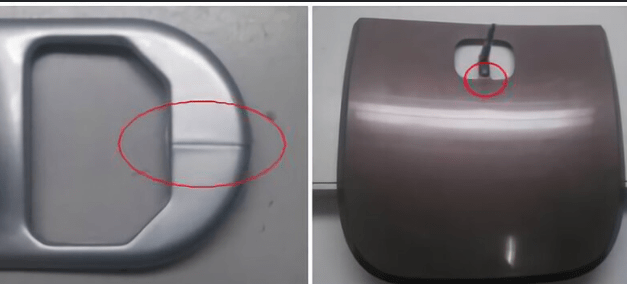
Injection molding is an incredibly versatile manufacturing technique that produces top-quality components in large numbers. But, creating a perfect quality product that isn’t faulty isn’t necessarily easy. The most common challenge that companies face is flow lines. These are visible marks that appear on the surface of mold components that result from irregularities in the process of injection. However, this issue is easily avoided by using the proper techniques and methods. This guide will guide you through the causes of flow lines and you will also explore the differences of Urethane Casting vs Injection Molding in detail.
Understanding Injection Molding Flow Lines
Flow lines refer to lines of wavy or streaks or slight colors that show up in the mold’s surface components. They usually result from an insufficient flow of the material when it is poured into the mold. The marks may cause the piece to appear unappealing or even signal internal problems that affect structural strength. The flow lines aren’t just an aesthetic issue; they could also be an indication of weaknesses on the item.
The imperfections are caused due to a variation in pressure, temperature or flow speed at distinct locations during the process of injection. Incomplete or uneven cooling could also cause the development of these imperfections. Knowing the causes of flow lines is the first step in fixing the issue and creating the smooth and high quality of components.
Common Causes of Flow Lines
-
Melt temperature
The wrong melting temperature may result in flowing lines. If the temperature of melt is not high enough the material that is melted will harden too fast and cause the formation of flow lines.
Example: Manufacturer who produces plastic containers sees flows on its surface. On inspection, they realized that the melting temperature was less than the recommended temperature of 10 degrees Celsius.
-
Speed of Injection
The slow speed of injection may cause flow lines to form as the plastic material cools, and is able to solidify too quickly.
Example: A manufacturer of automobile components observes flowing lines in an element of the dashboard. The adjustment of the speed for injection between 50 and 100 mm/s will eliminate the lines of flow.
-
Temperature mold
Temperature mold that is not even may create flows. If the temperature in the mold is not high enough it will cause the plastic to expand too rapidly.
Example: A manufacturer of medical devices observes flow lines on a part of a syringe. Examining the mold, it is apparent that there is an unbalanced temperature distribution. This can be corrected by altering your cooling device.
-
Material Flow Path
The complex flow of material routes or sudden changes in the direction of flow could cause the formation of flow lines.
Example: A manufacturer of plastic bottles has flowing lines across the surface of caps. The mold’s runner design and gate position enhances the flow of material and removes the flow lines.
Other factors that contribute to the flow of water comprise:
- Not sufficient pressure or hold time
- A poor choice of materials or formulation
- Inadequate venting
Solutions to Prevent Flow Lines
1. Optimize Injection Speed and Pressure
The most simple technique to eliminate the flow lines is by adjusting the rate of injection as well as pressure. When you set the speed of injection at an appropriate level to help assure that the liquid material moves easily and uniformly through the mold’s cavities. In the event of a slow speed, the material could cool prior to completely filling the mold. too fast the material could move uncoordinated. Making sure that the pressure is evenly distributed will also help prevent air pockets and unbalanced flow which could cause flows.
2. Balance Material Temperature
A consistent and optimum temperature of the material is essential. If the plastic is cold, it may not be able to flow as smoothly and may solidify early, creating noticeable lines. If it’s overheated, it can break down or move too rapidly which can cause problems. Making sure that your machine has accurate temperature control ensures that the flow is optimal and avoids these flaws.
3. Improve Mold Design
The shape of the mold in itself can be among the main causes of flows. A sharp corner, abrupt shifts in the wall’s thickness and bad gate positions can hinder the flow of materials. To minimize the risk, the mold has a uniform wallspan, smooth transitions and gates that are strategically placed to allow for smooth flow. Through the use of software, simulations in the design phase of the mold can aid in predicting and eliminating the areas in which flows are most likely to appear.
To further enhance the quality of your injection molded products, partnering with an experienced injection molding company can be invaluable. Such companies bring a wealth of expertise and advanced technology to the table, ensuring that issues like flow lines are minimized from the outset. By leveraging their specialized knowledge, manufacturers can optimize the molding process, from material selection to temperature control, ultimately leading to superior product quality. This collaboration not only helps in addressing common defects but also in achieving a more efficient production cycle, reducing waste and improving overall cost-effectiveness.
4. Enhance the Cooling System
The proper cooling process is crucial to the prevention of flow lines. A properly designed cooling system makes sure that the material that is molten solidifies uniformly which reduces the possibility of flowing lines. A lack of uniform cooling can cause an uneven shrinkage that often pays off in obvious flow marks. Check that the cooling channels are correctly located and that the flow rate of coolant is adjusted to deliver uniform cooling across the mold.
5. Use Appropriate Materials
Different materials do not flow in exactly the same way. Also, the type of material used has a significant effect on how flows form. Certain types of plastics are more vulnerable to inconsistencies in cooling, whereas others may be more efficient in forming flow lines by utilizing complicated mold geometries. It’s crucial to choose the right material appropriate to the mold’s layout and purpose.
6. Perform Regular Maintenance on Equipment
Maintenance of the injection molding machines can aid in preventing the flow lines. With time wear and tear may impact the ability of the machine to ensure constant temperatures, pressures and speed. If you keep all components of the machine in good condition to aid in helping warrant regular performance and decrease the chance of sustaining defects.
The Role of Rapid Manufacturing in Improving Quality
Thanks to advances in technology, Rapid Manufacturing for Prototypes has transformed the method by which manufacturers develop and test their new product ideas. Rapid manufacturing allows for more testing of materials and characteristics, and gives manufacturers the capability to adjust their designs at a moment’s notice. It’s a crucial device in creating high-quality products. When comparing Urethane Casting vs Injection Molding when prototyping the product, manufacturing companies can decide the excellent process to meet their needs and take educated decisions to minimize the possibility of imperfections like flow lines.
Conclusion
Knowing the distinction in Urethane Casting vs Injection Molding will be essential in choosing the best method to reduce the chance of defects and assure the quality of your product. With the help of modern methods for prototyping as well as improving maintenance on equipment and optimizing your injection molding process, you’ll be able to accomplish top-quality parts that are free of defects which meet your manufacturing goals.


