

Historical Significance of Water Divining
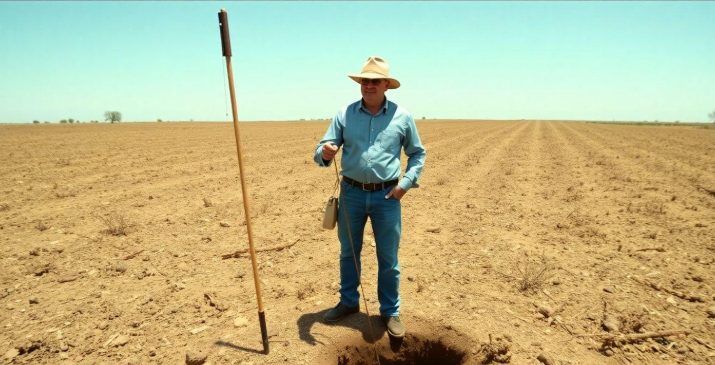
For centuries, people have sought ways to locate vital resources, and water has always been at the top of that list. Before modern geological surveys and advanced technology, individuals known as Water Whitchers or dowsers were the go-to experts for finding water. They used simple tools, often forked branches from trees, to sense underground water sources. This practice, rooted in tradition, was the primary method for communities needing to establish wells.
These early practitioners were often seen as having a special gift, a natural ability to connect with the earth’s hidden water. While some believed this talent couldn’t be taught, others recognized that patience and practice could refine the skill. The term ‘witch’ in water witcher actually comes from an old English word referring to the flexible stick used in the process, not to any supernatural connotations.
The Modern Demand for Expert Dowsers
Even with today’s technology, there’s still a significant demand for skilled water whitchers. Many property owners and even drilling professionals turn to dowsing when conventional methods fall short or to confirm potential sites. The intuition and localized knowledge a dowser brings can be incredibly beneficial in pinpointing reliable water sources.
Expert dowsers are not just relying on luck; they have honed their senses and techniques over years of practice. They understand the subtle signs the earth provides, making them invaluable in the search for groundwater. The persistence of this practice highlights its perceived effectiveness in locating water.
Water Whitchers in Property Assessments
When assessing land for development or personal use, identifying a stable water supply is paramount. Water whitchers play a role in this process by providing an initial survey of potential groundwater locations. Their findings can guide further, more technical investigations, saving time and resources.
Including a dowser in property assessments can offer a unique perspective. They can help identify areas with a higher probability of yielding water, which is especially useful in regions where groundwater is scarce or difficult to access. This makes the role of the water witcher quite practical.
Tools and Techniques Employed by Water Whitchers
Water whitchers utilize a variety of tools, with the most traditional being a forked stick, often made from hazel or willow. Modern dowsers might also use L-shaped metal rods or a pendulum. The key is the tool’s ability to react to subtle energy shifts associated with underground water.
When using a forked stick, the dowser holds one end in each hand, with the forked end pointing forward. As they walk slowly across the land, the stick is believed to dip or move when it passes over a water source. The movement is often described as involuntary, indicating the dowser’s connection to the earth’s subtle signals.
Interpreting the Dowsing Rod’s Movement
The interpretation of the dowsing rod’s movement is central to the practice. A distinct downward movement or crossing of the rods typically signifies the presence of water. Experienced dowsers can often discern different types of water or even estimate the depth of the source based on the intensity and nature of the rod’s reaction.
It’s not just about the movement itself, but also the dowser’s sensitivity to it. They learn to distinguish between genuine indications of water and other environmental factors. This nuanced interpretation is what separates a novice from a seasoned water witcher.
The Dowser’s Connection to the Earth
At its core, water dowsing is about a connection—a sensitivity to the subtle energies of the earth. Dowsers often describe a feeling or intuition that guides them, a sense of being attuned to the presence of water beneath the surface. This connection is cultivated through practice and a focused mindset.
This intuitive link allows the dowser to perceive what might otherwise remain hidden. It’s a practice that requires patience, concentration, and a willingness to trust one’s senses. The effectiveness of a water witcher often stems from this deep, almost personal, relationship with the land.
Reducing the Risk of Dry Well Drilling
Drilling a well is a significant investment, and the risk of hitting a dry hole can be substantial. Professional water dowsing helps mitigate this risk by identifying promising locations before expensive drilling begins. This targeted approach increases the likelihood of a successful well.
By using a skilled dowser, property owners can avoid the costly trial-and-error process of drilling in random spots. A water witcher’s guidance can lead drillers to areas with a higher probability of groundwater, making the entire operation more efficient and cost-effective.
Optimizing Well Depth and Yield
Beyond simply finding water, experienced dowsers can sometimes provide insights into the optimal depth for a well and the potential yield. This information is invaluable for ensuring a consistent and sufficient water supply for the property.
Knowing where to drill and how deep can significantly impact the long-term success of a well. A good water witcher can help maximize the return on investment by guiding the drilling process towards the most productive aquifers.
Cost-Effectiveness in Water Source Location
While there is a cost associated with hiring a water witcher, it is often far less than the expense of drilling multiple dry wells. The service provides a cost-effective method for increasing the chances of a successful water source discovery.
In the grand scheme of establishing a reliable water supply, the fee for a professional dowser is a small price to pay for the potential savings and the increased certainty they provide. It’s an investment in finding water efficiently.
Collaboration Between Drillers and Dowsers
Many well drilling professionals recognize the complementary skills that dowsers bring to the table. A collaborative approach, where dowsers identify potential sites and drillers then execute the extraction, often leads to the best results.
This partnership leverages the unique abilities of both professions. The dowser’s intuitive skill in locating water, combined with the driller’s technical expertise, creates a powerful synergy for successful well construction.
Why Drillers Recommend Dowsing Services
Well drillers often recommend dowsing services because they have witnessed firsthand the success rates associated with it. Dowsers can help pinpoint locations that might be overlooked by purely technical methods, leading to more efficient drilling operations.
When a driller receives a recommendation for a water witcher, it’s usually based on positive experiences and a desire to improve the outcome of their projects. It’s a practical endorsement of the dowser’s capabilities.
Ensuring Efficient Well Construction
Efficient well construction starts with accurate site selection. By working with a dowser, drillers can begin their work with greater confidence, knowing they are targeting a location with a high probability of success. This streamlines the entire process.
This focused approach minimizes wasted time and resources, contributing to a smoother and more predictable well construction project. The dowser’s input is a key factor in this efficiency.
Addressing Skepticism with Proven Results
While dowsing has faced skepticism, its continued use and the positive outcomes reported by many, including well drillers, speak to its effectiveness. The results often speak for themselves, demonstrating the practical value of water witching.
Many who initially doubted the practice have been convinced by seeing it work. The ability of a water witcher to consistently help locate water sources, even in challenging areas, builds credibility over time.
The Persistence of Traditional Practices
Despite advancements in technology, traditional practices like water dowsing persist because they offer a unique approach that often complements modern methods. The human element and intuitive skill involved are hard to replicate.
This persistence highlights a recognition that not all valuable skills can be easily quantified or replaced by machines. The art of water dowsing continues to be passed down and practiced for its tangible benefits.
The Skill and Patience Required for Dowsing
Becoming a proficient water witcher requires significant skill development and a great deal of patience. It’s not a quick process; it involves learning to attune oneself to subtle environmental cues and practicing consistently.
Developing the sensitivity needed to interpret the movements of dowsing tools takes time and dedication. The patience required to walk the land, focus the mind, and wait for a clear indication is a hallmark of a skilled dowser.
Identifying Potential Groundwater Locations
Water whitchers excel at identifying areas where groundwater is likely to be present. They use their tools and intuition to scan properties, looking for the subtle signs that indicate underground water flow. This initial identification is a critical first step.
Their ability to pinpoint potential locations saves considerable time and effort compared to random searching. A good dowser can significantly narrow down the search area for well drilling.
The Art of Water Witching for New Construction
For new construction projects, securing a reliable water source early on is vital. Water witching can be integrated into the planning phase, helping to ensure that the site chosen has adequate water resources available.
This proactive approach to water sourcing is particularly important for new developments, as it can prevent delays and complications down the line. The art of water witching provides a valuable service in this context.
Securing Water for Rural and Developing Areas
In rural and developing areas, access to clean water can be a significant challenge. Water whitchers play an important role in helping communities establish sustainable water sources where conventional infrastructure may be lacking.
Their skills are often most impactful in these regions, providing a practical and accessible method for finding water. The contribution of a water witcher can be transformative for communities reliant on finding their own water sources.
The Process of Professional Water Dowsing
Tools and Techniques Employed by Water Whitchers
Professional water dowsing, often called water witching, uses simple yet effective tools. The most recognized is the forked dowsing rod, traditionally made from hazel or willow branches. Today, dowsers might also use L-shaped metal rods or a pendulum. The dowser holds these tools loosely, allowing them to move freely.
The core technique involves walking slowly and deliberately over the land. As the dowser moves, they focus their attention on the subtle sensations and movements of the tool. The goal is to feel a connection to the underground water source. This practice requires patience and a keen sense of observation.
Interpreting the Dowsing Rod’s Movement
The magic, or rather the science, of water dowsing lies in interpreting the rod’s reaction. When a dowser passes over a water source, the rod will typically dip, twist, or pull downwards. This movement is believed to be an involuntary physical response to the presence of underground water.
Different dowsers might interpret subtle shifts differently, but a clear, decisive movement usually indicates a strong water presence. It’s not about forcing the rod; it’s about sensing its natural inclination. This makes the practice of water dowsing a very personal experience.
The Dowser’s Connection to the Earth
At its heart, professional water dowsing is about a connection. Dowsers often describe a feeling or intuition that guides them. They attune themselves to the subtle energies of the earth, sensing where water might be flowing beneath the surface. This connection isn’t something easily taught; it develops with practice and a receptive mindset.
Many believe this connection is about more than just finding water; it’s about understanding the land on a deeper level. It requires a quiet mind and an open heart to truly sense what the earth is revealing.
This intuitive ability, combined with practiced techniques, is what allows a skilled dowser to locate reliable water sources. It’s a blend of tradition, personal sensitivity, and a deep respect for the natural world. The practice of water dowsing has been around for centuries for good reason.
Benefits of Hiring a Water Whitcher
Reducing the Risk of Dry Well Drilling
Drilling a water well is a big expense, and there’s no guarantee of hitting water. Many people find that hiring a professional water witcher can significantly lower the odds of drilling a dry hole. By using their skills, they help pinpoint promising locations, saving you from the costly disappointment of an unproductive well. This careful selection process is key to a successful water source.
Optimizing Well Depth and Yield
A skilled water witcher doesn’t just find water; they can often indicate the best depth to drill. This precision helps avoid over-drilling, which wastes time and money. Furthermore, by identifying the most robust underground water flows, a dowser can help ensure your well has a good yield, meaning a consistent and ample supply of water for your needs. It’s about finding not just water, but the best water.
Cost-Effectiveness in Water Source Location
While there’s an upfront cost to hiring a water witcher, it’s often a smart investment. Think about the expense of multiple drilling attempts versus one well-located site. A successful dowsing session can prevent costly mistakes, making the overall process of securing a water source much more economical. It’s a way to be more certain about where your money is going.
The practice of water dowsing, while sometimes met with skepticism, offers a practical advantage in locating underground water. It’s a method that, when performed by an experienced individual, can lead to more efficient and successful well drilling operations.
- Reduces the chance of drilling dry wells.
- Helps determine optimal drilling depth.
- Can improve the overall water yield of the well.
- Saves money by avoiding multiple drilling attempts.
Water Whitchers and Well Drilling Professionals
Collaboration Between Drillers and Dowsers
Well drillers often work with water whitchers. It just makes sense for everyone involved. Drillers focus on the actual drilling, but finding the right spot is key. A dry hole costs a lot of money and time. That’s why many drillers prefer a dowser to pinpoint the best location. It takes the guesswork out of a critical step.
Why Drillers Recommend Dowsing Services
Drillers know that a successful well means a happy client. They’ve seen firsthand how much money can be wasted on drilling in the wrong place. Recommending a professional water whitcher is a way to increase the odds of hitting water. It’s a practical approach to a costly process. Many drillers have seen good results from dowsing and trust the practice.
Ensuring Efficient Well Construction
When a dowser identifies a promising spot, it streamlines the entire well construction process. Drillers can move in with confidence, knowing they’re targeting a likely water source. This collaboration helps avoid unnecessary drilling and reduces the overall cost for the property owner. A good dowser and a skilled driller make a great team.
The Evolving Perception of Water Whitchers
Addressing Skepticism with Proven Results
For a long time, many people thought water dowsing was just old folklore. They saw water whitchers as folks with a bit of luck, not real skill. This view often came from a lack of understanding about how dowsing works. It’s not magic; it’s about paying close attention to subtle cues. Modern science is starting to catch up, recognizing that dowsers often pinpoint water sources with surprising accuracy. This success is slowly changing minds, showing that there’s more to water witching than meets the eye.
The Persistence of Traditional Practices
Despite new technologies, traditional water dowsing methods stick around. Many communities still rely on experienced water whitchers. This is partly because these methods have a long history of success. People trust what has worked for generations. The practice of water witching, passed down through families, continues to be a respected way to find water. It’s a skill that requires patience and a connection to the land, something that technology can’t always replicate.
The Skill and Patience Required for Dowsing
Learning to dowse takes time and practice. It’s not something most people pick up overnight. A good dowser develops a keen sense of observation and a deep connection to their surroundings. This connection allows them to interpret the subtle movements of their tools, like a dowsing rod. The belief that only a select few can dowse is fading as more people learn that with dedication, anyone can develop this skill. The art of water witching is about focus and a willingness to learn from the earth itself.
Locating Reliable Water Sources with Water Whitchers
Identifying Potential Groundwater Locations
Finding a dependable water source is key for any property. Professional water whitchers use their skills to pinpoint where groundwater is most likely to be found. They walk the land, paying close attention to subtle signs and the reactions of their dowsing tools. This careful approach helps identify promising spots before any digging begins.
The dowser’s intuition, combined with their tools, acts as a guide. They aren’t just guessing; they’re interpreting signals that suggest the presence of water beneath the surface. This method has been used for centuries, proving its worth in locating water when other methods were unavailable.
The Art of Water Witching for New Construction
For new construction projects, securing a water source early is vital. Water whitchers can assist by identifying the best locations for wells on undeveloped land. This early assessment prevents costly mistakes and delays down the line. A skilled water witch can make a significant difference in the success of a new build.
- Initial property survey.
- Dowsing for water presence.
- Recommendation of optimal well sites.
This process helps ensure that the new home or development will have a consistent and accessible water supply from the start.
Securing Water for Rural and Developing Areas
In rural and developing regions, access to clean water can be a challenge. Water whitchers play an important role in helping communities establish reliable water sources. Their ability to find water in diverse geological conditions makes them invaluable.
The practice of water witching, while sometimes met with skepticism, consistently helps people find water. It’s a practical skill that supports communities.
By employing traditional methods, water whitchers contribute to water security, especially in areas where municipal water is not available. Their work supports self-sufficiency and development.
Finding Water: A Look Back and Forward
So, while science might debate the exact mechanisms, the practical reality is that many people still turn to dowsers when looking for water. It’s a practice with a long history, and in many cases, it seems to work out. Hiring a professional dowser can be a smart move, especially when you consider how much it costs to drill a well. Nobody wants to spend a lot of money and end up with nothing. Dowsers can help pick a better spot, potentially meaning less digging or a better flow of water. Even well drillers sometimes recommend them, because it’s in everyone’s best interest to find the best water source possible. It’s about making a costly process more likely to succeed.
