Gutter problems rarely begin with a major failure. A small leak, a slight sag, or a hidden blockage can gradually affect how water moves away from a home. Left unresolved, these issues may contribute to foundation concerns, landscape erosion, and exterior water damage. Many homeowners notice symptoms but are unsure what is causing them. This article explains how technicians in Wichita identify the source of common gutter problems and determine the repairs needed to restore proper drainage.
Leak Detection Methods
Homeowners seeking gutter repair in Wichita are often surprised to learn that visible water stains do not always reveal the true source of a leak. Technicians begin by inspecting seams, corners, end caps, and connection points where water commonly escapes. This initial assessment helps narrow down areas that require closer attention.
Water Flow Testing
Technicians may run water through sections of the gutter system to observe how it moves and where it exits. This process helps identify leaks that only appear during rainfall. Watching water travel through the system provides a more accurate diagnosis than relying on visual signs alone.
Joint and Seal Inspection
Many leaks originate at connection points where sealants have deteriorated, or materials have separated. Technicians in Wichita inspect these areas for gaps, cracks, and signs of wear. Locating the exact source helps ensure repairs address the underlying problem rather than just the visible symptoms.
Sagging Gutter Assessment
A sagging gutter usually indicates that something within the system is no longer functioning correctly. Technicians check the slope of the gutter to confirm that water is flowing toward the downspouts as intended. They also inspect brackets, hangers, and attachment points for signs of damage or loosening.
In some cases, sagging develops because water remains trapped in one area for extended periods. A section that appears structurally weak may actually be affected by poor drainage or accumulated debris. Understanding the cause helps determine the most effective repair approach.
Hidden Blockage Detection
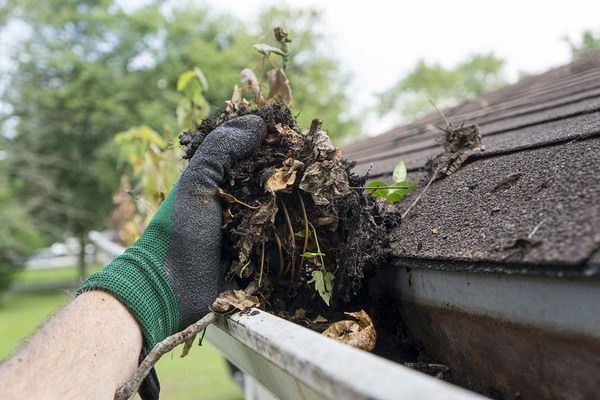
Technicians check the entire drainage path to identify blockages that affect water flow. While leaves and twigs are common causes, technicians inspect the entire drainage path to identify restrictions that affect water flow. This includes examining downspouts, elbows, and discharge points.
Downspout and Elbow Checks
Downspouts and bends are common locations for compacted debris. Technicians in Wichita may flush water through these areas to verify that water exits the system properly. Slow drainage usually indicates a blockage that requires removal.
Obstruction Identification
Some blockages develop in areas homeowners rarely see. Dirt buildup, roofing granules, and small debris can gradually reduce water flow over time. Identifying these hidden obstructions helps restore proper drainage performance.
Connections Between Common Gutter Problems
Gutter issues frequently affect one another. A blockage may create standing water, which adds weight and contributes to sagging. That sagging can then place stress on joints and create leak points.
A practical example is a clogged downspout that prevents water from draining efficiently. As water accumulates, the added weight may pull the gutter away from the structure. Addressing only the leak without clearing the blockage would leave part of the problem unresolved.
Repair Plans Based on Inspection Findings
Once the inspection is complete, technicians compare the condition of individual components with the overall performance of the system. Minor issues may require cleaning, resealing, or replacing brackets. More extensive concerns may involve replacing sections of the gutter or correcting drainage alignment problems.
For homeowners considering gutter repair in Wichita, understanding the diagnostic process can make repair recommendations easier to evaluate. Reviewing available gutter repair services can provide additional insight into the solutions commonly used for leaks, sags, and blockages. A thorough diagnosis helps ensure repairs address the cause of the problem and support long-term drainage performance.