

Scanning pet store aisles or online listings, you’re bombarded with cat foods boasting “high protein!” as a key selling point. It seems every new brand claims this is what cats truly need. But is loading your cat’s bowl with extra protein always the right move?
As devoted cat parents, we all want what’s best for our companions, ensuring they thrive on a diet that meets their unique needs. Let’s uncover the truths about high-protein cat food that will help you make the best choice for your cat’s long-term health and happiness!
Do Cats Need High-Protein Cat Food?
Cats Are Obligate Carnivores
Cats are obligate carnivores, meaning their bodies are built to get nutrients from animal tissue. Unlike dogs, cats heavily rely on animal-based proteins and fats. Their digestive systems are made to process meat, and they need certain nutrients found only in animal sources. This is why high-protein cat food is often recommended for feline diets.
Why Protein Is Essential
Protein is a vital part of a cat’s diet, doing many important jobs in their body. High-protein cat food supports:
Muscle Maintenance: It’s crucial for strong muscles and growth.
Metabolic Functions: Protein helps with enzyme production and hormone regulation.
Immune System Support: It strengthens their immune system, helping them fight off illnesses.
If a cat’s diet lacks enough protein, you might see fatigue, weight loss, or a dull coat. Over time, not enough protein can lead to more serious health issues. That’s why high-protein cat food is important.
How Much Protein Do Cats Really Need?
Determining the ideal protein intake for cats is not a one-size-fits-all answer. The precise amount of protein a cat needs varies significantly based on several individual factors.
- Life Stage: A kitten, for instance, requires a higher percentage of protein to support rapid growth and development. Adult cats need sufficient protein for maintenance, while senior cats may benefit from increased protein to counteract muscle loss as they age.
- Activity Level: Highly active cats or those with demanding lifestyles will naturally burn more energy and thus require more protein to fuel their muscles and maintain their body condition compared to a sedentary indoor cat.
To establish clear benchmarks, pet food regulations and nutritional guidelines provide essential recommendations.
- AAFCO (Association of American Feed Control Officials) guidelines: According to AAFCO, adult cat maintenance foods must contain a minimum of 26% crude protein on a dry matter basis, while foods for growth and reproduction require a minimum of 30% crude protein on a dry matter basis[1].
- NRC (National Research Council) recommendations: The NRC suggests a minimum of 40g of protein per 1000 kcal for adult cats, rising to 45g for growing kittens[2].
It is crucial to understand that while “high-protein” sounds beneficial, it does not automatically mean “too much protein.” The key lies in a diet that is balanced and digestible.
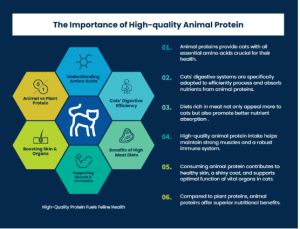
The Importance of High-Quality Animal Protein
The quality and source of protein also matter immensely.
Superior Amino Acid Profiles: Animal proteins, such as those found in chicken, fish, and beef, offer all the essential amino acids cats need. Plant proteins often lack some of these vital amino acids in sufficient amounts.
Efficient Digestion: Cats’ digestive systems are built to process meat. They efficiently break down and absorb nutrients from animal proteins, which are more readily used by their bodies than plant proteins.
Enhanced Benefits: Diets with a high meat content are generally more appealing to cats, encouraging them to eat. The easy digestibility of animal proteins also leads to better nutrient absorption and improved digestive health. Ultimately, high-quality animal protein supports strong muscles, a robust immune system, healthy skin and coat, and optimal organ function, greatly contributing to a cat’s overall well-being and longevity.
How Pet Food Manufacturers Meet High-Protein
As understanding of feline nutrition grows, pet food manufacturers are stepping up to meet the demand for quality, high-protein diets.
To keep nutrients intact, advanced production methods are crucial. Techniques like gentle cooking, optimized extrusion, or freeze-drying help preserve the protein’s integrity, digestibility, and taste. Strict quality control throughout the process ensures nutrient retention and safety.
Besides, as cat owners are increasingly seeking specialized diets, here are more options from manufacturers:
- Grain-free diets reduce carbohydrates, better matching a cat’s natural diet.
- Fresh-meat-based formulas use more fresh, unprocessed meat for natural, digestible protein.
- Limited ingredient diets are designed for sensitive cats, minimizing ingredients and often focusing on a single protein source.
These innovations show manufacturers’ commitment to providing cats with diets that not only meet protein needs but also cater to specific health requirements and preferences.
FAMSUN’s High Fresh Meat Injection Technology
Understanding a cat’s need for high-quality protein is just the first step. The pet food industry is continually innovating to meet these demands effectively. Pet owners are increasingly seeking pet food with higher fresh meat and protein content.
FAMSUN has emerged as a leader in high fresh meat extrusion technology in the Chinese market. They have successfully developed and applied ultra-high level fresh meat slurry injection solutions, allowing for fresh meat ratios exceeding 128% in extruded pet food. This technology overcomes challenges like moisture control and pellet adhesion during production, ensuring stable operation and high product quality.
FAMSUN’s innovations ensure pet food is safe, digestible, and meets the nutritional needs of cats, solidifying their position at the forefront of the industry.
Explore FAMSUN’s innovative solutions to discover how high-quality, high fresh meat diets can benefit your cat.
References
- How to Choose the Best Food for Your Cat. Available at: https://www.petevolution.com/blog/how-to-choose-the-best-food-for-your-cat/ (Accessed: 17th, July)
- Nutritional Requirements of Small Animals. Available at: https://www.msdvetmanual.com/management-and-nutrition/nutrition-small-animals/nutritional-requirements-of-small-animals (Accessed: 17th, July)
