

It is usually an ordinary moment. You pour tea, reach for a cup, and halfway through the first sip, you think, hmm..something feels off. The tea cooled too fast. The cup feels oddly heavy. Or the handle is hot enough to make you switch hands. Tea is still tea, but the moment feels slightly ruined. Argh.
Tea time is rarely just about the drink. It is about the pause it gives you. Five quiet minutes alone. A long chat that starts with “shall we have tea?” A quick catch-up before the day gets busy again. That is where tea cups matter more than people realise. They sit in your hand, hold warmth, and quietly shape the experience. Choosing the right tea cups is not about matching your kitchen. It is about how those small daily moments feel.
The Chai and Coffee Culture in India
Tea is not just a beverage in Indian homes. It is a habit. A comfort. Sometimes, it is an excuse to slow down. Morning chai sets the rhythm of the day. Evening tea signals a break, even if it lasts only ten minutes. Conversations often begin with tea, and many end with another round. Tea cups witness it all.
Most homes have a mix of tea cups. Some are used daily. Some come out only for guests. There is often that one cup everyone avoids and another everyone secretly prefers. These choices are not random. Over time, people learn which tea cups feel right. Which ones keep tea warm longer? Which ones survive daily washing without looking tired?
Coffee culture has slipped into this rhythm, too. Coffee mugs now share shelf space with tea cups. Late-night work, weekend lounging, or solo breaks often involve a mug instead of a cup and saucer. This mix has changed expectations. Tea cups and tea sets are no longer just decorative. They need to handle real life.
That is why material matters. The right tea cups support warmth, comfort, and connection. They make long chats easier and quick breaks more satisfying. When chosen well, tea cups feel like a natural extension of your routine.
Why the Right Tea Cups Change How Tea Feels, Not Just How It Looks?
People often think tea tastes different because of the leaves or the milk ratio. That is true, but the cup plays a role too. Ever noticed how tea feels better in one cup and oddly flat in another? That is not imagination. The weight of the tea cups, the rim thickness, and even how the handle sits in your fingers change the experience.
A cup that feels awkward pulls you out of the moment. You sip faster. You put it down sooner. Oh well, tea break over. But tea cups that feel right invite you to slow down. You hold them longer. You take smaller sips. Conversations stretch naturally. Even when you drink alone, the moment feels more intentional.
This is why people keep reaching for the same tea cups again and again. Not because they are fancy, but because they feel familiar.
Choosing the Right Material for Tea Cups and Tea Sets
Tea cups may look similar on a shelf, but the material changes everything. Heat, weight, comfort, and durability all depend on it. Here is how different options fit into everyday life.
1. Opalware Tea Cups and Tea Sets
Opalware tea cups are popular for a reason. They feel light in the hand, which matters when you drink tea multiple times a day. At the same time, they feel sturdy. You do not worry about them chipping easily. Tea stays warm, yet the cup remains comfortable to hold. That balance makes daily tea breaks smoother.
Opalware tea sets also store well. They stack neatly and do not take over your cabinet. They resist stains, which is a relief if you drink strong chai often. For homes where tea is constant, these tea cups quietly do their job without drama.
2. Opal Tea Series
The opal tea series appeals to people who like things to feel consistent. The cups match. The finish stays even. These tea cups feel familiar from the first use. They work for daily tea and for guests without needing a switch.
There is something calming about reaching for the same kind of cup every day. It removes small decisions. You know how it feels. You know how it handles heat. That familiarity adds comfort to tea time.
3. Tea Cups and Tea Sets for Everyday Use
Classic tea cups and tea sets focus on comfort. The size feels right for slow sipping. The handle supports a relaxed grip. These tea cups suit conversations that stretch longer than expected. They work well when tea turns into a reason to sit and talk.
Over time, such tea cups become favourites. You reach for them without thinking. They feel dependable, and that dependability matters more than looks.
4. Coffee Mugs and Travel Mugs
Coffee mugs have earned their place in tea routines. Many people use them for tea during work hours. They hold more and retain heat longer. Travel mugs support tea on the move, whether it is a commute or a quiet balcony break.
These mugs focus on practicality. They suit busy days and slower sips alike. While different from traditional tea cups, they meet modern needs without losing warmth.
5. Glass Tea Cups and Tea Sets
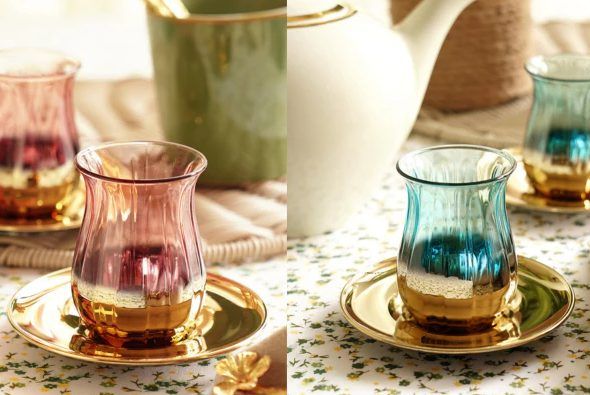
Glass tea cups offer a visual experience. You see the colour, the steam, the strength of the brew. For many, this adds enjoyment. Glass tea cups feel lighter visually and bring a sense of calm.
Good glass tea cups handle heat well and keep flavours clean. They suit herbal teas and lighter blends. These tea cups work best for quiet moments and relaxed conversations.
Conclusion
The right tea cups support warmth, comfort, and connection without asking for attention. Material affects how tea stays hot, how the cup feels in your hand, and how often you enjoy using it. Opalware, glass, classic tea cups, or mugs all serve different needs. Think about how you drink tea, when you drink it, and who you share it with. Choose tea cups that fit your rhythm, not trends, feel comfortable and reliable.
