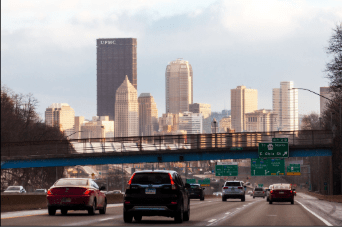
The digital footprint of a modern driver is much larger than it seems at first glance. Every trip can interact with multiple connected systems — from city cameras to private parking services.
Expectedly, solutions like anti radar stickers for license plate are increasingly appearing in drivers’ searches as they seek to better understand how the technologies around them work. Awareness of this topic is no longer the privilege of tech specialists, but basic digital literacy.
How the Digital Environment Has Changed the Road
The road has long been part of the digital infrastructure. Cameras capture license plate information, algorithms process the data, and databases are updated in real time. And this isn’t just about government systems. Private companies are also actively gathering data on car movements.
Drivers are starting to notice these changes. For the past few years, there has been a lot of interest in technologies that can help limit outside data exposure.
This is a natural response to the fact that the digital environment is becoming increasingly dense — and less transparent to the average person. The question is no longer whether information is being collected, but whether drivers have the tools to control this process.
What Are the Current Trends in Driver Data Protection?
The market for digital privacy solutions for drivers is developing rapidly. New materials, device formats, and approaches to vehicle visibility are emerging. Understanding the main trends is useful before making any purchasing decisions. Current trends in driver-focused data tools include:
- nanotechnology-based anti-radar coatings;
- polarizing filters for license plates;
- local video encryption systems;
- GPS solutions with geodata transfer restrictions;
- blackout systems for controlling license plate visibility;
- flippers with remote electronic control.
Each of these options operates according to its own principle and is suitable for different scenarios. It is important to understand that none of them is universal. The choice depends on the driver’s specific needs and the legal regulations in their region. A competent approach begins with understanding the operating principles of each tool.
Anti-Radar Solutions: Between Technology and Awareness
The anti-radar coating segment deserves special attention. This is one of the most technologically developed products on the market, with a clear operating principle and measurable results.
The principle is based on the material’s optical properties, which influence how a camera perceives the license plate surface. Such coatings have been available for several years. However, the quality and effectiveness of products on the market still vary significantly.
Alite Hub specializes in this area. It offers anti-radar stickers with nano-coatings, blackout systems, and flippers for different license plate formats. The line combines ready-made solutions with universal materials for non-standard setups.
You can choose among these options carefully. Coating quality, weather resistance, and availability of real-world testing are all important criteria to consider.
Digital literacy for drivers today means knowing how the car’s environment works and what tools are available to manage your data. Technology is moving fast, and a driver who follows key trends is always better prepared. More and more options are offered by the market, so knowing how to find your way through them is an essential skill. Making smart decisions starts with asking good questions.