



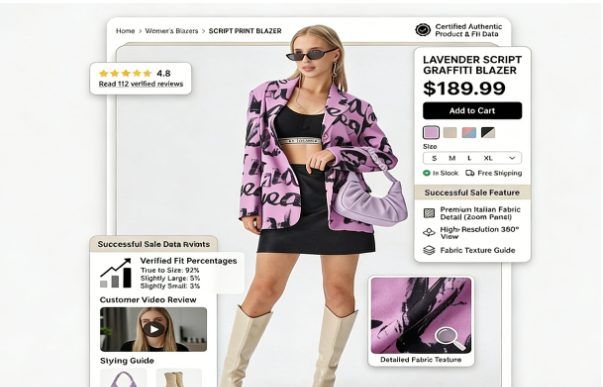
If you run an online store, you may be facing some challenges. With the advent of AI, many shoppers are no longer satisfied with flat images but want to see themselves wearing the clothes to save time. You may have heard about “AI virtual try-on” before, and many stores have already used this tool. This tool claims to help stores increase sales and reduce return rates. This is indeed true, and you’ve probably heard confirmation of this online or within the industry. But can try on clothes AI alone make your store successful? In this article, we’ll discuss why you need more than virtual try-ons to achieve successful sales.
The Impact of Virtual Try-On
In 2026, virtual try-on is expected. Studies show that over 90% of shoppers are willing to use AI tools before they buy, and a huge majority say it directly helps their decision. At the same time, online fashion still has some of the highest return rates in ecommerce, often driven by fit and “this looks nothing like the photos” complaints.
When retailers use rich virtual try-on, they find:
- Conversion grows by 20–40% on enabled products.
- Return rate drops of 25–50%, especially for dresses, outerwear, and other high-risk items.
- Page engagement is up by well over 100%, with shoppers spending far longer on product pages.
That sounds huge, and it is. But those gains only happen when you try on clothes.

Why Realistic AI Images Convert Better
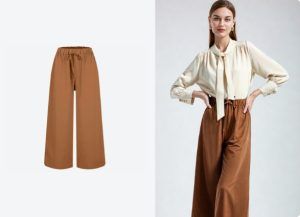
Tools like Pic Copilot turn flat photos into realistic on-body shots in seconds, at the lowest prices and with no 3D scans, no studio crew. It reserves drape, lighting, and camera angle, so the product looks like the same item, not a random render.
Brands report cart size lifts of 20%+ and big jumps in click‑through when they swap old flat images for realistic AI model pictures. So yes, you need virtual try-on; but you especially need high‑quality, realistic visuals that sit right inside your product gallery, not hidden behind a tech demo.
How to Get Successful Sales?
Customize Your Images to Match Your Brand
To save money, most sites still use one model, one body, one skin tone to sell every size. It is fast, but it also quietly tells many shoppers, “This brand is not for you.” However, virtual try-on can go beyond classic ways.
With AI, you can get different pictures for different markets at a lower cost, and localize visuals for different markets fast. Moreover, show the same dress on different body types, ages, genders, and regions, without re‑shooting.
According to the data, when shoppers see items on bodies closer to their own, purchase confidence jumps by 25–33%, and fit satisfaction grows by over 30%. That extra confidence leads to more complete checkouts and fewer “just in case” bracketing orders.
Virtual try-on alone cannot fix a catalog that still talks to only one type of body. Visual diversity is now part of the conversion stack.
“Good Enough” May Cost You Money
Many shop owners think any AI is good AI. That is a mistake. The Google search results are full of stores using blurry, weird-looking AI-generated people. Consumers are starting to get “AI fatigue.” They can spot a “cheap” AI quickly.
To stand out, your visuals must look professional. You need clean edges where the fabric meets the skin. You need realistic skin textures. When your site looks like a high-end magazine—even if you are a one-person team—people trust you with their credit card.

Speed Is Important
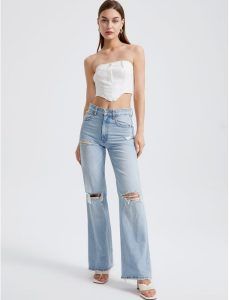
In the past, you had to book a studio, find a photographer, and wait days for edits. By the time the photos were ready, the trend was over. Now, the best brands use tools that are easy to use and instant.
If a celebrity wears a specific style of wide-leg jeans on Tuesday, you want those jeans on your site by Wednesday. Using try on clothes AI allows you to upload a flat lay of your product and put it on a realistic model in seconds. This speed allows you to catch “micro-trends” before they disappear. If you are slow, you are invisible.
Focus on Product Quality
When making a purchase, customers want confidence in the product’s real quality. Clear, thorough product descriptions that cover materials, specifications, usage instructions, and care guidelines. This helps customers know exactly what they’re getting.
Brand Trust
Except for the above things, brand trust plays a decisive role in the buying process. Brands can share their brand story, sourcing details, and production process openly. Transparency humanizes the brand and reassures customers that nothing is hidden. Besides, deliver consistent product quality and service across every touchpoint. Reliability over time is what turns first-time buyers into loyal customers.
Conclusion
Virtual try on, speed, and strong perceived quality and brand trust work together to reduce uncertainty in online shopping. When shoppers clearly know the clothing models in pictures with similar body and skin color, and trust the brand behind it, they feel more confident moving from browsing to purchasing. In a competitive e-commerce landscape, clarity, credibility, and consistency are often what separate brands that convert from those that get overlooked.


