



Entrepreneurship is often associated with innovation, leadership, and strategic decision-making. While these qualities are undeniably important, successful entrepreneurs also understand something that is often overlooked: appearance influences perception. In a competitive business environment, the way professionals present themselves can impact first impressions, brand recognition, and even long-term business relationships.
Professional style is not about chasing trends or wearing expensive clothing. Instead, it is about creating a consistent and memorable personal image that communicates confidence, attention to detail, and professionalism. Entrepreneurs who recognize the value of distinctive professional style understand that even subtle accessories can play a meaningful role in shaping how they are perceived.
First Impressions Matter More Than Ever
Business opportunities often begin with a first impression. Whether meeting investors, networking at conferences, speaking at industry events, or engaging with potential clients, entrepreneurs frequently have only a few moments to establish credibility.
Research consistently shows that people form opinions quickly. Appearance becomes one of the first signals others use to assess confidence, competence, and trustworthiness. While expertise and character ultimately matter most, a polished presentation can help create a positive initial perception.
Successful entrepreneurs understand that every element of their appearance contributes to the story they tell. A well-fitted suit, clean shoes, quality accessories, and thoughtful styling choices all communicate professionalism and attention to detail.
The goal is not perfection. Rather, it is demonstrating that the individual takes both themselves and their business seriously.
Personal Branding Extends Beyond Marketing
Most entrepreneurs invest significant effort into branding their companies. They carefully choose logos, color schemes, messaging, and visual identities. However, many overlook the fact that personal branding can be just as important.
Founders often become the public face of their businesses. Investors, customers, employees, and partners frequently associate the entrepreneur with the company itself. This makes personal presentation an extension of the overall brand.
Distinctive professional style helps entrepreneurs stand out while remaining appropriate for their industry. It creates consistency between the individual and the image they want their business to project.
For example, a technology founder may embrace modern, minimalist fashion choices, while a financial consultant may opt for more traditional attire. In both cases, style supports professional identity rather than distracting from it.
Entrepreneurs who develop a recognizable personal style often become more memorable during networking events and business meetings. That recognition can create opportunities long after the initial interaction.
Confidence Begins With Preparation
Confidence is one of the most valuable assets an entrepreneur can possess. Whether pitching investors, leading teams, or negotiating contracts, self-assurance influences performance.
Professional style can contribute significantly to confidence. When entrepreneurs feel comfortable and polished, they are often better able to focus on conversations, presentations, and strategic decisions rather than worrying about their appearance.
This phenomenon is sometimes referred to as “enclothed cognition,” the idea that clothing can influence psychological processes and behavior. While style alone does not create confidence, it can reinforce a positive mindset.
Many successful entrepreneurs establish a consistent wardrobe because it reduces decision fatigue while ensuring they always feel prepared for professional interactions.
The result is a stronger sense of control and readiness, qualities that can positively influence business outcomes.
Small Details Create Memorable Distinctions
One of the most effective ways to develop a distinctive professional style is through carefully chosen accessories.
Accessories provide opportunities for self-expression without compromising professionalism. A quality watch, an elegant tie, a unique pocket square, or a sophisticated pair of dress socks can add personality while maintaining a polished appearance.
These details often become conversation starters. During networking events or business meetings, subtle style choices can help create memorable interactions.
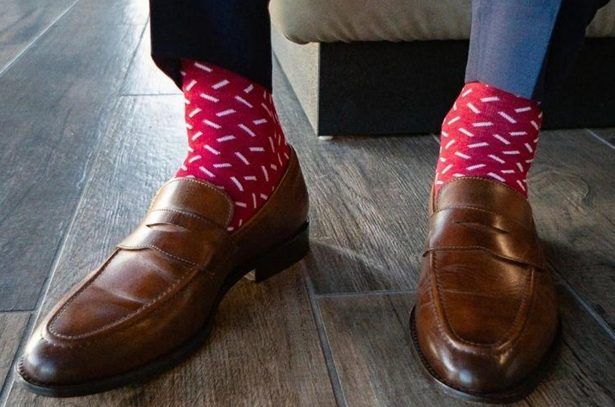
For instance, premium red dress socks can introduce a touch of individuality beneath an otherwise traditional business outfit. They demonstrate confidence and attention to detail without appearing unprofessional.
Many professionals appreciate brands such as Southern Scholar, which offer premium dress socks designed to add character to business attire while maintaining a refined appearance. Small style elements like these can help entrepreneurs express personality while remaining aligned with professional expectations.
The key is balance. Distinctive accessories should complement a professional image rather than dominate it.
Style Reflects Attention To Detail
Entrepreneurs are often evaluated based on their ability to manage details. Investors want confidence in leadership. Clients want confidence in service delivery. Employees want confidence in organizational direction.
Attention to appearance can subtly reinforce perceptions of competence and reliability.
When entrepreneurs consistently present themselves professionally, others may assume they bring the same level of care to business operations. While appearance does not determine capability, it can influence expectations.
Distinctive style choices demonstrate intentionality. They suggest that the individual understands the importance of presentation and takes pride in their professional role.
This attention to detail can contribute positively to trust-building efforts, particularly during initial business interactions.
Standing Out In Competitive Markets
Modern entrepreneurs operate in crowded markets. Customers, investors, and partners are constantly exposed to competing voices and brands.
Standing out requires more than expertise. It requires memorability.
Professional style can become part of an entrepreneur’s overall identity. Some business leaders become known for signature colors, distinctive accessories, or consistent wardrobe choices. These elements help reinforce recognition over time.
Importantly, standing out does not require flashy or extravagant fashion. Often, subtle distinctions are more effective because they appear authentic and intentional.
Entrepreneurs who understand this principle use style strategically. They create a visual identity that supports their personal brand while remaining approachable and professional.
The result is greater recognition and stronger recall during future interactions.
Authenticity Remains Essential
While professional style can be a powerful tool, authenticity should always remain the priority.
People quickly recognize when style feels forced or disconnected from personality. The most effective professional wardrobes reflect genuine preferences and values rather than attempting to imitate others.
Entrepreneurs benefit from developing a style that feels natural and sustainable. This approach creates consistency and helps build credibility.
Authentic style also contributes to comfort and confidence. Rather than focusing on impressing others, entrepreneurs can express themselves in ways that align with their professional goals. The strongest personal brands are built on authenticity, and style should support that foundation.
The Connection Between Style And Leadership
Leadership involves influence. Entrepreneurs must inspire employees, attract customers, earn investor confidence, and represent their organizations publicly.
Professional style supports leadership by reinforcing credibility and authority. When leaders present themselves thoughtfully, they communicate respect for both their audience and their role.
This does not mean every entrepreneur must wear formal business attire. Leadership styles vary across industries. However, successful entrepreneurs recognize that presentation remains an important part of communication.
Clothing and accessories often send messages before words are spoken. By managing those signals intentionally, entrepreneurs can strengthen their leadership presence and enhance professional relationships.
Conclusion
Successful entrepreneurs understand that a distinctive professional style is about far more than fashion. It is a strategic component of personal branding, confidence, and professional communication. Thoughtfully chosen accessories, attention to detail, and a consistent appearance can help entrepreneurs become more memorable while reinforcing credibility.
In a business environment where first impressions matter and competition is intense, small style decisions can create meaningful advantages. By balancing professionalism with individuality, entrepreneurs can build stronger personal brands, foster confidence, and leave lasting impressions that support long-term success.


