

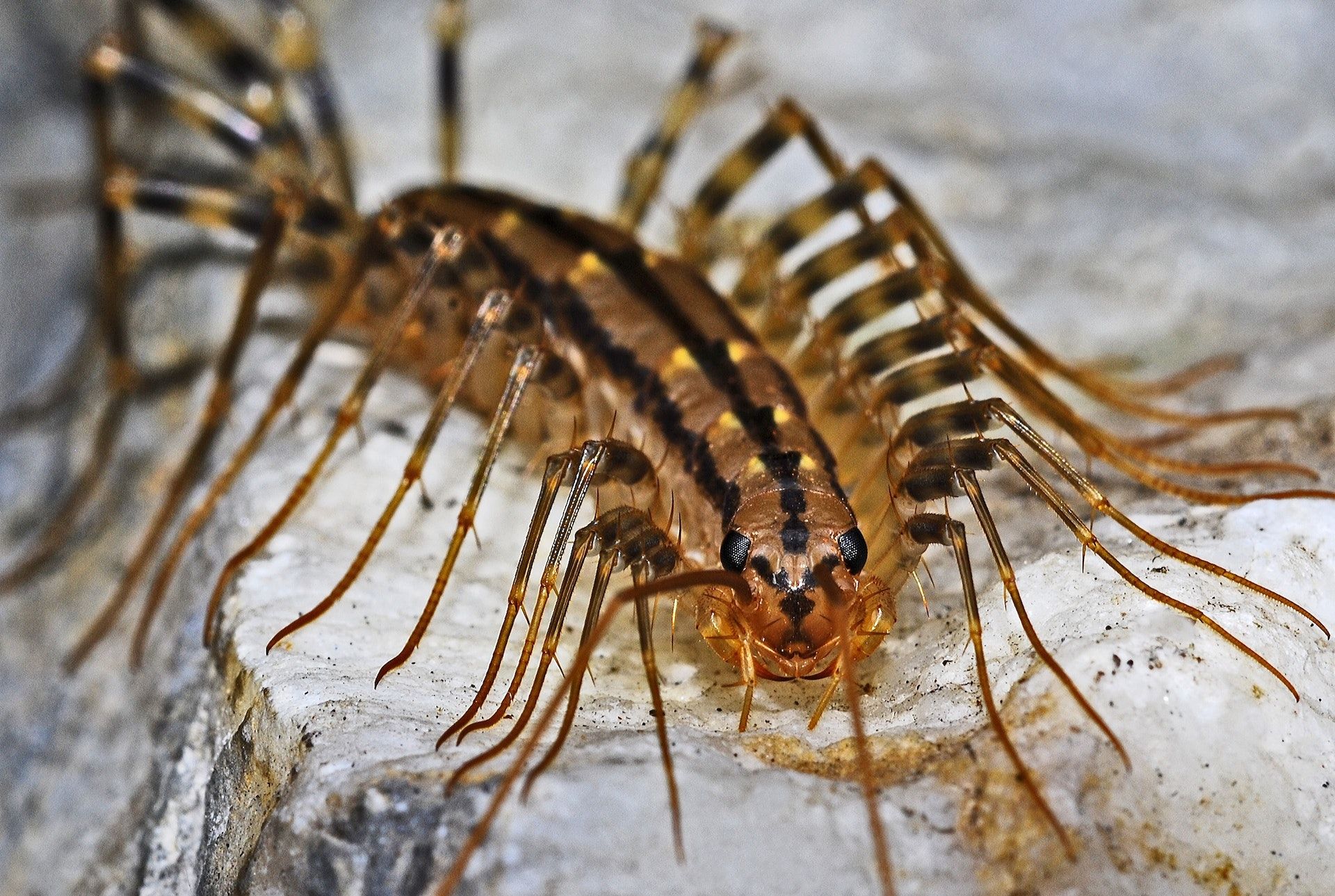
Living in Texas means learning, sooner or later, that bugs are part of the deal.
Abundant heat, humidity, and places to hide mean that you are sure to find all kinds of bugs thriving in your home or yard.
Most homeowners don’t expect a bug-free existence. What catches them off guard is the recurrence: seeing the same ant trail every day, the annoying mosquitoes, and the occasional wasp nest that always reappears in the same corner every year.
Bugs, however, are not necessarily a sign that something has gone terribly wrong in your home, nor do they indicate that it’s “dirty.” Rather, they show up because, from their perspective, something about the environment attracts them and makes them want to stay.
At Purple Care, we often receive questions about how to quickly eliminate pests. But it’s just as important to consider another, more basic question: “Why do these bugs keep appearing here?” Once you understand why bugs are attracted to homes, it becomes easier to implement effective prevention strategies.
Let’s look at five pests common around Texas homes and what their presence usually indicates.
Ants
Among the bugs on this list, ants may seem the most harmless and least annoying. That is, until they find your stored sweets or you keep seeing them in the same spots day after day.
Ants, however, don’t show up randomly. Their presence usually means that they’ve found something dependable they keep coming back to: a few crumbs that are easy to miss, a pet bowl that stays out overnight, or even moisture near sinks.
What helps:
Nothing too drastic. Wiping down surfaces after eating or cooking, sealing cracks, and trimming plants back from exterior walls. Cutting off food sources and small entry points helps reduce the presence of these curious visitors.
Mosquitoes
Mosquitoes feel like personal enemies because they are aggressive and seem unavoidable.
Ironically, however, they are quite predictable. If you notice mosquitoes concentrated in certain parts of your yard, there’s almost always standing water nearby, even if it’s not immediately obvious or you didn’t place it there.
Mosquitoes don’t need much: a clogged gutter, a forgotten bucket, and a plant saucer that never dries out are enough for them to thrive.
What helps:
A weekly walk through the yard. Emptying water, clearing gutters, and adjusting irrigation so water doesn’t pool force mosquitoes to reproduce elsewhere.
It also helps to install mosquito nets over your doors and windows to prevent them from entering your house.
Cockroaches
Everyone hates cockroaches, and rightly so: they carry bacteria, eat your stored food, and always seem to find a way to sneak into your house.
Yet they only do what they know best: seeking shelter when outdoor conditions become too extreme. In Texas’s climate, where both heat waves and heavy rains are common, cockroaches are pushed into indoor spaces that offer the warmth and moisture they need to survive, along with quiet corners and reliable food sources.
What helps:
Drying sinks and counters overnight, sealing gaps around doors and plumbing, and reducing clutter and humidity in storage areas. These are subtle but decisive changes that limit the conditions that allow roaches to hide and move freely through your home.
Fleas & Ticks
Finding fleas and ticks is especially frustrating because their presence does not always reflect what’s happening inside the home. Rather, they show up indirectly through pets or wildlife moving through the yard.
These bugs are fond of shaded, humid areas with tall grass or dense ground cover. That’s why they can get out of control: you may regularly give baths to your dog or cat, but if they like to roam around an infested garden, fleas and ticks will keep finding their way to them.
What helps:
Regularly trim your lawn, keep ground cover near walkways and fences under control, and stay consistent with the pet prevention routines recommended by your vet. These actions can help manage the environmental conditions in which these pests thrive.
Wasps
Wasps are creatures of habit. If they nested somewhere successfully once, they’re likely to try again.
Eaves, rooflines, and fences are the most common spots for wasps, as they offer shelter and protection. A wasp nest, however, doesn’t mean aggression or danger by default; rather, it usually means that the structure provides protection.
What helps:
Seasonal exterior checks, especially in spring: address small nests early (when it’s safe to do so) and keep outdoor food and trash covered to make the area less attractive.
For larger, highly active nests, it is essential to seek professional help, as they have the knowledge and equipment to remove them safely.
Prevention Starts with Understanding
Most pest issues don’t start as emergencies, but as small, repeated signals that certain conditions are lining up in ways that bugs find luring.
Shifting the focus from isolated sightings to patterns in the environment and how bugs manage to survive in it makes pest control calmer and more effective.
In Texas, where bugs are part of the ecosystem, the goal isn’t to eliminate them at all costs. Rather, it’s reading what’s happening, adjusting certain daily habits, and doing your best to prevent their presence.
Read for more info: Shelly D’Valle: The Story Behind a Name That Inspires Creativity
