



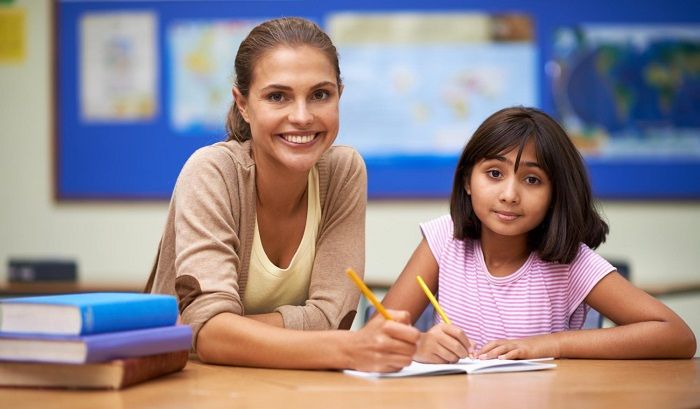
A child’s preschool experience does not depend only on classroom teaching or colorful activity spaces. Small conversations between parents and teachers quietly shape emotional comfort, classroom confidence, and daily adjustment during early learning years. Families across Pune now pay closer attention to communication systems because young children cannot always explain their feelings, struggles, or classroom experiences clearly. Consistent parent interaction helps teachers understand behavior patterns, emotional changes, and learning habits more accurately. This article explores why communication matters deeply in pre-primary education and how healthy parent-school interaction supports stronger early childhood development.
Daily Conversations Help Teachers Understand Children Better
Young children behave differently at home and in classrooms. Many parents exploring a pre primary school in Pune now value schools where teachers maintain regular communication about emotional adjustment, classroom participation, and behavior changes throughout the week.
Small updates can reveal important details about a child’s comfort level or social confidence. Teachers may notice hesitation during activities, while parents may observe sleep changes or emotional sensitivity at home. These conversations help adults respond more thoughtfully because children at preschool age rarely express emotions clearly through words alone.
Emotional Changes Become Easier To Identify
Children sometimes communicate stress through silence, mood changes, or unusual classroom behavior instead of direct explanation. Strong parent communication helps teachers notice emotional shifts before concerns become larger problems.
Classroom Withdrawal
Quiet participation or sudden hesitation during activities may signal emotional discomfort requiring gentle support.
Separation Anxiety
Children who struggle during drop-off routines may require consistency between the classroom and home, as well as reassurance.
Sudden Behavior Changes
Frustration, irritability, or emotional outbursts sometimes reflect adjustment difficulties during early school transitions.
Several parents searching for a kindergarten school in Pune now appreciate schools where teachers discuss emotional patterns honestly instead of focusing only on academic updates.
Miscommunication Between Adults Can Affect Children
Children usually sense tension quickly when communication between parents and teachers becomes inconsistent or unclear. Conflicting expectations at home and school can create confusion during important developmental years.
Some common communication mistakes include:
- Ignoring small emotional concerns initially
- Discussing children negatively during meetings
- Expecting instant behavioral changes overnight
- Comparing classroom progress with other children
These situations may affect confidence and classroom adjustment gradually. Healthy communication, therefore, requires patience, honesty, and realistic expectations from both parents and educators during preschool years.
Honest Feedback Builds Stronger Trust
Parents usually feel more confident when schools communicate openly instead of sharing only positive classroom moments. Honest conversations regarding social behavior, emotional adjustment, and participation patterns create healthier long-term relationships between teachers and families.
Balanced Academic Feedback
Parents appreciate realistic updates instead of overly polished progress summaries that hide classroom concerns.
Social Interaction Updates
Teachers who discuss friendship patterns or participation habits help parents understand emotional development more clearly.
Practical Guidance
Simple suggestions regarding routines, communication habits, or classroom preparation often support smoother school adjustment.
Many kindergarten school in Pune now maintain regular parent meetings because transparent communication builds greater trust during early education.
Parent Involvement Supports Classroom Confidence
Children usually feel more emotionally secure when they notice a positive connection between home and school environments. Familiarity between parents and teachers creates reassurance because children understand adults are working together supportively.
Simple involvement through storytelling sessions, school events, or classroom participation also strengthens comfort levels among preschool learners. Families across Pune increasingly appreciate schools where parents feel included naturally instead of remaining disconnected from classroom experiences throughout the academic year.
Quiet Communication Habits Influence Long-term Development
Healthy parent-school communication affects much more than classroom updates or routine progress discussions. Children usually develop stronger emotional confidence when adults maintain calm, respectful, and consistent interaction around their education.
Important communication habits may include:
- Listening carefully during teacher discussions
- Sharing emotional concerns early
- Maintaining realistic academic expectations
- Supporting classroom routines consistently at home
These habits create emotional stability because children experience consistent guidance between school and home environments during the preschool years. These habits create emotional stability because children experience consistent guidance between school and home environments during the primary school IB programme.
Strong Communication Creates Better Preschool Experiences
Parent communication quietly shapes emotional comfort, classroom confidence, and healthy adjustment during early childhood education. Families across Pune increasingly value schools where teachers maintain honest, balanced, and supportive interaction throughout the academic year. Parents exploring a pre-primary school in Pune generally benefit from environments where communication supports emotional understanding instead of focusing only on classroom performance. Consistent collaboration between families and educators helps children feel more secure, understood, and emotionally prepared during important early learning experiences.


