



Orthodontic treatments have transformed tremendously over the years, evolving from traditional metal braces to the introduction of sophisticated and nearly invisible options like clear aligners. This evolution reflects not only technological advancements but also shifts in cultural attitudes toward dental health and aesthetics. Today, individuals seeking orthodontic care have a wide variety of choices that cater to both functional needs and personal preferences. This article explores this remarkable journey, delving into the history, technological advancements, benefits, and future of orthodontics. We’ll also discuss the role of Invisalign Treatment and how platforms like BetterYu.com are influencing this landscape.
THE ORIGINS OF ORTHODONTIC CARE
The earliest forms of orthodontic care date back to ancient civilizations, where methods to correct teeth alignment were rudimentary at best. Archaeological findings suggest that even the ancient Egyptians used crude metal bands to adjust teeth. However, it wasn’t until the 18th century that orthodontics began to take form as a distinct branch of dentistry. During this time, French dentist Pierre Fauchard introduced the “Bandeau,” a horseshoe-shaped piece of metal that helped expand the dental arch. The 19th and early 20th centuries saw further refinements, with the development of metal braces marking a significant turning point in orthodontic care. These braces, though effective, were often bulky, uncomfortable, and aesthetically unappealing.
THE RISE OF METAL BRACES
Metal braces became the standard treatment for orthodontic issues in the late 20th century. Advancements in materials, such as stainless steel, allowed for more durable and effective solutions. These braces consisted of brackets bonded to the teeth and connected by a wire, adjusted over time to reposition teeth. While incredibly effective in correcting complex dental issues, metal braces came with their own set of challenges. They often required lengthy treatment periods and meticulous oral hygiene to prevent complications such as tooth decay or gum disease. Despite their drawbacks, metal braces laid the foundation for modern orthodontics and paved the way for future innovations.
INTRODUCTION OF LINGUAL BRACES
A notable development in the world of orthodontics was the introduction of lingual braces in the late 20th century. These are similar to traditional metal braces, but with a key difference: they are placed on the backside of the teeth, making them less visible. Lingual braces offered a more aesthetically pleasing option than their front-facing counterparts. However, they were more challenging to install and required specialized training for orthodontists. While lingual braces provided a cosmetic advantage, they still shared many of the disadvantages of traditional braces, such as discomfort and difficulty in maintaining oral hygiene.
THE BIRTH OF CLEAR ALIGNERS
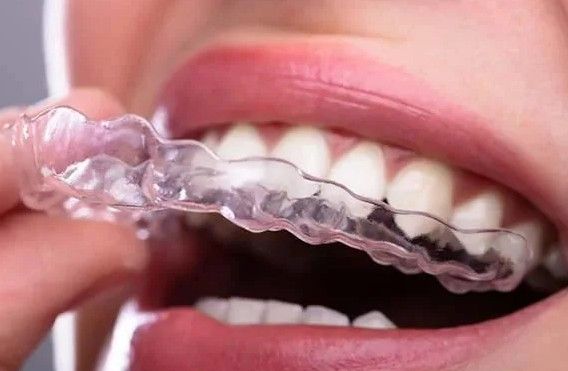
The late 1990s marked a revolutionary development in orthodontics with the introduction of clear aligners. Designed to provide a more comfortable and inconspicuous alternative to traditional braces, clear aligners are made of transparent, medical-grade plastic that fits snugly over the teeth. The rise of Invisalign Treatment popularized this option, offering patients a way to straighten their teeth without the conspicuousness and discomfort associated with metal braces. Invisalign aligners are custom-made using advanced 3D imaging technology, which allows for precise planning of the treatment path. This innovation not only improved the patient experience but also expanded the possibilities for adult orthodontic care.
ADVANTAGES OF INVISALIGN TREATMENT
Invisalign Treatment has numerous advantages over traditional metal braces. One of the most significant benefits is that they are nearly invisible, allowing patients to undergo orthodontic treatment without the self-consciousness that might accompany traditional braces. Clear aligners are also removable, meaning that patients can take them out for eating, brushing, and flossing, leading to better oral hygiene. Additionally, the custom-made aligners are designed to gradually move teeth into their desired positions with minimal discomfort. The predictability of treatment outcomes with Invisalign’s advanced software is another major benefit, giving both orthodontists and patients more confidence in the treatment process.
THE IMPACT OF BETTERYU.COM ON ORTHODONTIC TREATMENTS
Platforms like BetterYu.com are playing a crucial role in making orthodontic treatments more accessible and understandable to patients worldwide. BetterYu.com provides comprehensive information and resources for individuals seeking various dental treatments, including guidance on the different options available and what to expect from each. It acts as a bridge between patients and orthodontic professionals, offering personalized advice and facilitating connections with qualified practitioners. Moreover, platforms like these help demystify the process of selecting a treatment and provider, thus empowering patients to make informed decisions regarding their dental care.
TECHNOLOGICAL ADVANCEMENTS IN ORTHODONTICS
Orthodontics has benefited immensely from technological advancements over the past few decades. Digital imaging and 3D printing technologies have streamlined the process of creating aligners and braces, ensuring higher precision and better fit. Artificial intelligence and machine learning are also beginning to play roles in treatment planning, allowing for more accurate predictions and customized treatments. Moreover, teleorthodontics, which involves the use of online tools and platforms to deliver orthodontic care remotely, is gaining popularity. These technological innovations are not only making treatments more effective but also more convenient for patients around the globe.
THE FUTURE OF ORTHODONTIC TREATMENTS
As we look to the future, the field of orthodontics is poised for even more transformative changes. Research into new materials, such as biodegradable polymers, holds the promise of creating more environmentally friendly orthodontic devices. Advances in gene therapy and biomimetic approaches could potentially revolutionize how teeth movement is achieved, making procedures even less invasive and more efficient. Furthermore, the integration of virtual reality and augmented reality technologies into patient consultations and treatment planning could provide a more immersive and understandable experience. As these innovations come to fruition, orthodontic treatments will continue to become more personalized and effective.
CONCLUSION
The journey from metal braces to clear aligners represents a significant leap in the realm of orthodontic treatments. This evolution reflects a wider trend towards personalization and patient-centered care in dentistry. As technology continues to advance, and as platforms like BetterYu.com make information and resources more accessible, patients can look forward to more innovative and tailored orthodontic solutions. Whether it is through the use of clear aligners like Invisalign or future cutting-edge methods yet to be discovered, the focus remains on improving oral health and patient satisfaction. The future of orthodontics holds great promise, poised to deliver even more refined and effective solutions for those seeking straighter smiles.


