

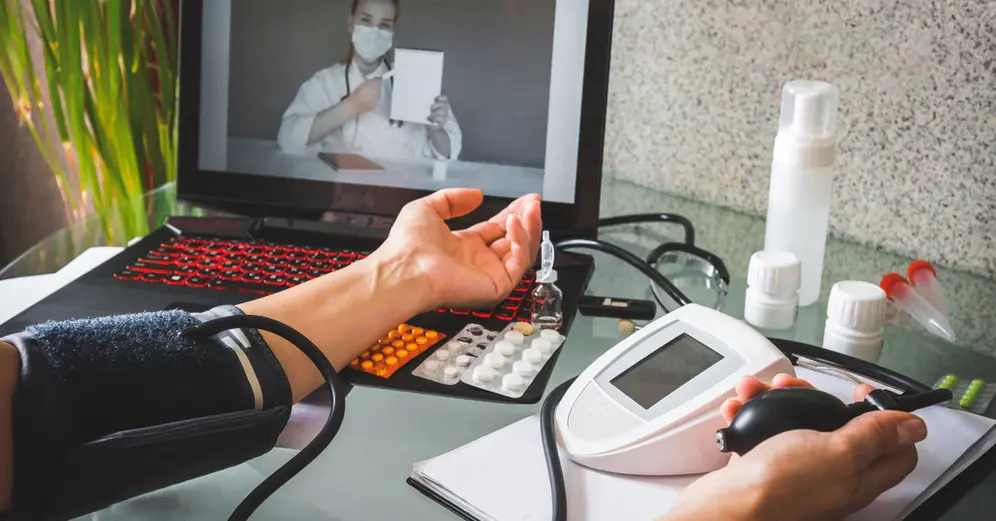
The healthcare industry is swiftly reworking with the integration of advanced technology. One of the most groundbreaking improvements is real-time healthcare statistics processing, which plays a important function in improving far flung patient tracking structures. By leveraging advanced information processing techniques, healthcare vendors can display patients correctly, improve consequences, and reduce fees.
In this blog, we’ll explore how advanced statistics processing is shaping the destiny of healthcare, the advantages of data processing solutions, and the role of outsourcing on this evolving panorama.
The Role of Advanced Data Processing in Healthcare
Advanced data processing involves collecting, analyzing, and interpreting large amounts of patient data in real-time. It ensures that critical health information is readily available to doctors, enabling them to make timely and informed decisions.
1. Real-time Monitoring
Real-time processing allows healthcare providers to monitor vital signs like heart rate, blood pressure, and oxygen levels remotely.
Alerts are triggered when abnormalities are detected, ensuring quick intervention.
2. Enhanced Patient Care
Patients with chronic conditions benefit from continuous monitoring without frequent hospital visits.
Data-driven insights help personalize treatment plans.
3. Predictive Analysis
Advanced algorithms predict potential health risks before they become severe.
This proactive approach reduces hospital readmissions and improves patient outcomes.
Key Benefits of Data Processing Solutions in Healthcare
Implementing data processing solutions in healthcare offers numerous advantages, including better efficiency, cost savings, and improved patient satisfaction.
1. Streamlined Data Management
- Automating data collection and analysis reduces manual errors.
- Centralized systems provide easy access to patient records.
2. Faster Decision-Making
- Real-time insights enable doctors to make quicker and more accurate diagnoses.
- Critical decisions are supported by up-to-date patient information.
3. Scalability
- Modern business data processing services are scalable, accommodating growing healthcare demands.
- This flexibility is essential for hospitals and clinics of all sizes.
Why Outsourcing is a Game-Changer for Healthcare Data Processing
Many healthcare organizations are turning to data processing outsourcing to manage their growing data needs. Outsourcing provides access to specialized expertise, cost savings, and state-of-the-art technology.
1. Expertise from Data Processing Companies
- A reliable data processing company brings experience and advanced tools to handle complex healthcare data.
- These companies ensure compliance with healthcare regulations like HIPAA.
2. Cost Efficiency
- By choosing to outsource data processing, healthcare providers save on infrastructure and staffing costs.
- This allows them to focus more on patient care.
3. Improved Data Security
- Leading outsourcing firms prioritize data security, using encryption and secure servers.
- This ensures patient information remains confidential.
The Role of Data Capture Outsourcing in Remote Patient Monitoring
Data capture outsourcing plays a crucial role in collecting and digitizing patient information efficiently. This process ensures accurate and timely data input, which is essential for remote patient monitoring.
1. Accurate Data Collection
- Outsourcing firms use advanced tools to capture patient data without errors.
- This accuracy is vital for effective monitoring and treatment.
2. Faster Turnaround Times
- Outsourcing reduces the time taken to process large volumes of patient data.
- Faster processing leads to quicker diagnoses and treatments.
3. Cost-Effective Operations
- By outsourcing data capture, healthcare providers can allocate resources to other critical areas.
- This approach is particularly beneficial for small and medium-sized clinics.
Conclusion
The destiny of healthcare lies in leveraging superior statistics processing to allow real-time tracking and improve affected person care. With the help of records processing answers and commercial enterprise records processing offerings, healthcare providers can effectively manipulate full-size amounts of affected person records. Integrating AI Doctor technology enhances this process by analyzing real-time patient data, offering predictive insights, and assisting in clinical decision-making. AI Doctor systems help healthcare providers personalize treatment plans, detect health risks early, and optimize patient outcomes.
Outsourcing to a depended on information processing employer or choosing statistics processing outsourcing ensures fee efficiency, accuracy, and scalability. Furthermore, data seize outsourcing plays a sizeable position in improving remote affected person monitoring structures.
As generation continues to evolve, adopting these modern tactics will not most effective improve healthcare delivery but also redefine the way sufferers and providers have interaction. The integration of real-time information processing is virtually shaping the destiny of far off patient monitoring.
