



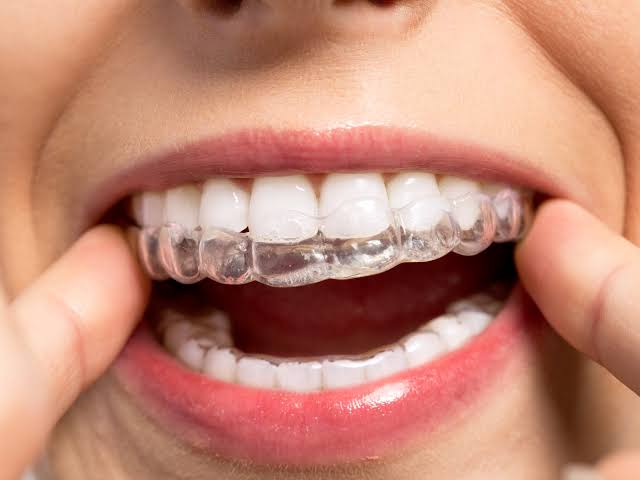
You may be planning a career move, dating again, preparing for family photos, or simply noticing that your teeth have shifted since your 20s. It’s normal to wonder whether clear aligners still make sense now. Invisalign for adults over 40 can be a practical option for many patients, but treatment needs a closer look at gum health, bite changes, and older dental work. Great Expressions Dental Center helps patients understand what aligners can and can’t do before they commit. Adults are a common part of orthodontic care, and the American Association of Orthodontists notes that one in three orthodontic patients today is an adult.
Key Takeaways for Your Smile
- Clear aligners can be an option after 40, but gum health and bone support matter.
- Great Expressions Dental Center can check your bite, teeth, gums, and past dental work before treatment.
- Aligners work best when worn consistently and cleaned well.
- Crowns, bridges, implants, recession, and dry mouth may affect your plan.
- Retainers usually help protect results after treatment ends.
What Is Invisalign for Adults Over 40?
It is a clear aligner treatment planned around adult teeth, gum support, existing dental work, and your routine. Great Expressions Dental Center can review whether removable aligners fit your smile goals and oral health needs. Clear aligners are thin, plastic-like trays made to fit your teeth and guide them gradually.
For many adults, the appeal is simple. Aligners are removable for meals, brushing, and flossing, and they are less noticeable than brackets and wires. The tradeoff is responsibility. You need to wear them as directed, keep them clean, and attend follow-up visits so your dentist can monitor progress.
A good plan starts with an exam, not a guess. Your dentist may evaluate crowding, spacing, bite pressure, jaw comfort, gum measurements, X-rays, restorations, and your home-care habits. Great Expressions Dental Center also provides Invisalign treatment information and office search tools for patients comparing service and location options.
What Changes After Age 40?
The main difference with Invisalign for adults over 40 is not age itself. It is the condition of the teeth, gums, and supporting bone after years of chewing, dental work, and natural changes.
Gum health deserves special attention. Gum disease can be painless, and the ADA notes that it can include bleeding gums, gum recession, loose teeth, bad breath, and changes in your bite. Great Expressions Dental Center can screen for these issues before aligners place pressure on teeth.
Other factors can shape the plan:
- Crowns, bridges, veneers, or implants
- Teeth worn down by grinding or clenching
- Gum recession or sensitive roots
- Dry mouth from medications
- Previous orthodontic relapse
- Jaw soreness or uneven bite pressure
What Signs Should Adults Notice?
You should pay attention to changes in how your teeth look, feel, and fit together. Great Expressions Dental Center can help determine whether the issue is cosmetic, bite-related, gum-related, or a mix of concerns.
Common signs include:
- Teeth that look more crowded than they used to
- Food catching between teeth
- A front tooth turning or overlapping
- New spaces near the gumline
- Gums that bleed during brushing or flossing
- Teeth that feel loose or tender
- Jaw fatigue, clicking, or morning soreness
Small changes matter because adult teeth can shift slowly. A retainer that no longer fits is also a useful clue. Bring it to your visit if you still have it, even if you have not worn it in years.
What Treatment Options Can Help?
Successful Invisalign for adults over 40 usually depends on careful planning, steady wear, and healthy gums. Great Expressions Dental Center can explain whether aligners alone are appropriate or whether cleaning, gum treatment, fillings, or other care should happen first.
Invisalign’s patient FAQ notes that many people typically wear aligners 20 to 22 hours a day, removing them for eating, drinking, brushing, and flossing. That routine can work well for busy adults, but only when it matches your habits.
How Your Consultation Usually Starts
A consultation usually begins with a conversation about your goals and concerns. Then your dentist checks your teeth, gums, bite, and dental history.
Great Expressions Dental Center may discuss:
- Whether your teeth can move safely
- Which movements are realistic
- How past dental work affects planning
- How often you’ll need check-ins
- What retention may look like after treatment
What Daily Wear Looks Like
Daily wear is straightforward, but it takes consistency. You’ll remove the trays for meals and clean your teeth before putting them back in.
You may also need small tooth-colored attachments that help aligners grip certain teeth. Some patients notice pressure with a new set of trays. That pressure should feel manageable, but sharp pain or a poor fit should be checked.
How Can You Protect Results?
Prevention starts before your first tray. Great Expressions Dental Center can help you reduce risks by making sure your mouth is clean, stable, and ready for tooth movement.
Helpful habits include:
- Brush and floss before reinserting aligners when possible.
- Rinse aligners and store them in their case.
- Avoid hot water, which can warp plastic trays.
- Keep up with cleanings and gum checks.
- Tell your dentist if a tray feels wrong.
- Wear your retainer as directed after treatment.
To put it simply, aligners sit close to your teeth. If food, plaque, or sugary drinks are trapped under them, your teeth and gums can suffer. The AAO recommends brushing thoroughly before reinserting aligners after eating or drinking.
When Should You Visit a Dentist?
Visit a dentist when you notice shifting, crowding, bite changes, or gum symptoms. Great Expressions Dental Center can help you decide whether clear aligners, another orthodontic option, or preliminary dental care makes the most sense.
Schedule an appointment before starting treatment if you have:
- Bleeding or swollen gums
- Loose teeth or gum recession
- Missing teeth or dental implants
- A bridge, crown, or veneer
- Pain when chewing
- A history of grinding
- A retainer that no longer fits
Here’s the thing. Adult orthodontic treatment should be supervised because teeth move within living bone and gum tissue. Great Expressions Dental Center’s Invisalign service information emphasizes consultation, treatment guidance, and finding an office near you.
A Straighter Smile Can Start Now
Invisalign for adults over 40 can be worth exploring when you want a straighter smile and a treatment plan that respects your current oral health. The key is not rushing. Gum health, bite balance, old dental work, daily wear, and long-term retention all deserve attention.
Great Expressions Dental Center can help you understand your options and connect your next step with the right service or location page. A personal exam is the best way to learn whether aligners fit your goals, your schedule, and your mouth.
Book an Appointment
Ready to ask questions about aligners after 40? Your next step is simple. Call Great Expressions Dental Centers or visit us online to schedule your appointment and take the first step toward a healthier smile.


