



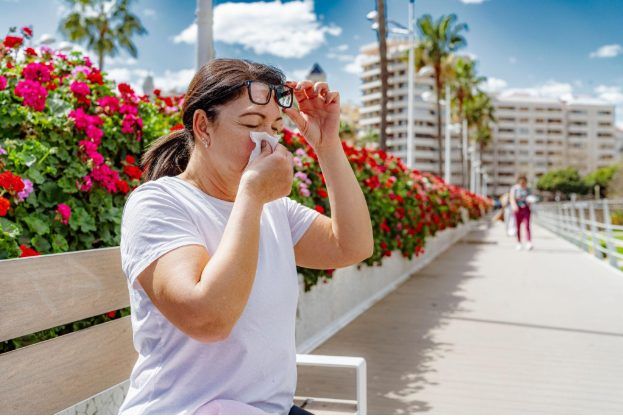
Florida’s allergy season can put extra pressure on the immune system, especially when pollen, mold, humidity, and warm weather overlap for months. Many people notice increased sneezing, congestion, itchy eyes, fatigue, and poor sleep as their bodies continue to react to airborne triggers.
Peptide therapy is one supportive option some patients explore when they want a more personalized wellness plan during allergy season. It is not a cure for allergies and should not replace standard allergy care, but it may help support recovery, immune balance, and control of inflammation.
Why Florida Allergies Can Feel So Draining
Allergies happen when the immune system reacts strongly to something that is usually harmless, such as pollen, grass, dust, or mold. During Florida’s longer warm seasons, these triggers can stay active for extended periods.
That ongoing exposure can leave people feeling worn down. Even mild allergy symptoms can affect daily life when they interfere with breathing, sleep, exercise, and focus.
Common seasonal allergy concerns include:
- Stuffy or runny nose
- Sinus pressure
- Itchy or watery eyes
- Postnasal drip
- Coughing or throat irritation
- Low energy from poor sleep
What Peptides Do In The Body
Peptides are short chains of amino acids. The body naturally uses them as messengers to help cells communicate. Different peptides are involved in tissue repair, metabolism, recovery, and immune signaling.
In a wellness setting, peptide therapy is usually designed around a patient’s symptoms, health history, and goals. For patients researching peptide therapy Florida, treatment should be medically guided and based on a proper consultation.
How Peptide Therapy May Support Immune Health
During allergy season, the goal is not to “boost” the immune system aggressively. In people with allergies, the immune system is already overreacting. A better goal is support, balance, and recovery.
Depending on the patient and the peptide used, therapy may be discussed as part of a broader plan to support:
- Healthy immune communication
- Recovery from inflammation-related stress
- Better energy and resilience
- Tissue repair after repeated irritation
- Sleep quality, which affects immune function
This is why a careful medical review matters. Not every peptide is appropriate for every person, and results can vary.
Peptide Therapy Works Best With Allergy Basics
Peptide therapy should be viewed as one part of a larger seasonal health plan. Patients still need practical allergy habits, especially in Florida’s humid environment.
Helpful steps may include checking pollen counts, showering after outdoor activity, changing air filters, using dehumidifiers where needed, and following a provider’s advice on allergy medications. People with asthma, severe sinus issues, or frequent infections should speak with a healthcare professional before adding any new therapy.
Choosing A Safe And Responsible Provider
A responsible provider should explain what is being used, why it is being recommended, and what risks or limits apply. Patients should ask whether the therapy is appropriate with their medications, allergies, medical history, or immune-related conditions.
Clinics focused on Florida regenerative medicine may offer peptide therapy as part of a wider wellness plan, but the safest approach is individualized. Allergy season affects people differently, so care should be tailored to the individual, not a one-size-fits-all protocol.


