



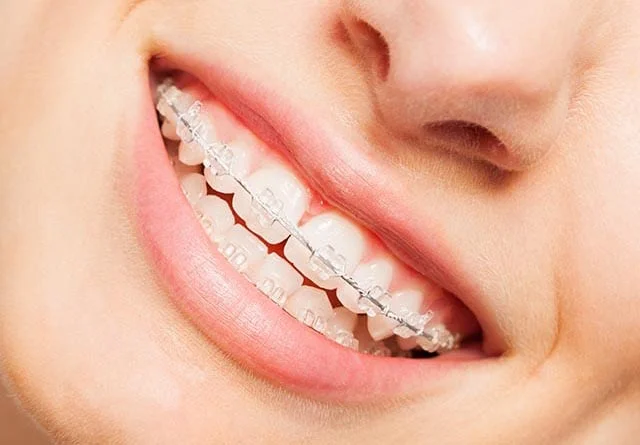
Orthodontic treatment has undergone a remarkable transformation over the past decade. What was once associated with bulky metal brackets, visible wires, and long-term discomfort has evolved into a far more refined experience designed around comfort, convenience, and aesthetics. Today’s patients are no longer choosing braces solely for functional reasons—they are seeking orthodontic solutions that integrate naturally into their daily lives without disrupting confidence or comfort.
This shift has been driven by advances in dental technology, changing patient expectations, and a growing demand for less noticeable treatment options. From teenagers navigating social environments to adults pursuing professional confidence, modern orthodontics is adapting to meet the needs of a generation that values both effectiveness and discretion.
As a result, braces are no longer viewed as an awkward phase of life. They are increasingly becoming a personalized and streamlined part of modern self-care.
The Evolution of Orthodontic Technology
Traditional braces were designed primarily with function in mind. While effective, earlier orthodontic systems often involved thick brackets, tight wires, and adjustments that could cause significant discomfort. Treatment was largely standardized, with fewer customization options available for individual patients.
Modern orthodontics, however, has shifted toward precision-based treatment planning. Advanced imaging systems, digital scanning, and computer-guided alignments now allow orthodontists to create highly personalized treatment plans tailored to each patient’s dental structure.
This technological evolution has significantly improved both comfort and efficiency. Patients are now experiencing smoother adjustments, better-fitting appliances, and shorter adaptation periods than in previous generations.
More importantly, modern systems are designed to reduce irritation to the gums and cheeks, making orthodontic treatment far easier to manage during daily life.
The Growing Demand for Discreet Orthodontic Solutions
One of the biggest changes in orthodontics has been the increasing focus on aesthetics. Many adults delayed treatment for years because they did not want visible metal braces affecting their appearance in professional or social settings.
Today, that concern has led to the widespread popularity of discreet orthodontic solutions. Patients now have access to clear aligners, ceramic braces, and low-profile systems designed to blend naturally with their teeth.
The rise of options such as Invisalign Treatment has played a major role in reshaping public perception of orthodontics. Clear aligner systems provide a nearly invisible alternative to traditional braces while allowing patients greater flexibility in their everyday routines.
This has made orthodontic treatment more appealing to adults who previously avoided it due to cosmetic concerns.
Comfort Has Become a Priority
Modern patients expect healthcare experiences to be less invasive and more comfortable, and orthodontics is no exception. Manufacturers and orthodontists alike have responded by redesigning treatment systems to minimize discomfort at every stage.
Today’s braces use lighter materials and more advanced wire technology that applies gentler, more controlled pressure on teeth. This gradual movement reduces soreness and allows patients to adapt more easily after adjustments.
Clear aligners have further improved comfort by eliminating many of the sharp edges and metal components traditionally associated with braces. Since aligners are custom-molded to fit each patient’s teeth, they tend to feel smoother and less intrusive inside the mouth.
This focus on comfort has significantly changed how patients experience orthodontic care, especially during the early stages of treatment.
Digital Scanning Has Replaced Traditional Impressions
One of the less-discussed but highly appreciated advancements in orthodontics is the shift away from traditional dental molds. For years, patients often endured uncomfortable impression trays filled with thick molding material that could trigger gag reflexes or discomfort. Modern orthodontic clinics increasingly use digital scanning technology instead. These scanners create highly accurate 3D images of the teeth within minutes, improving both patient comfort and treatment precision.
Digital scanning also allows orthodontists to simulate treatment outcomes, giving patients a clearer understanding of how their smile will progress over time. This visualization helps patients feel more confident and engaged in the process, which is one reason why platforms like BetterYu.com continue to attract people looking for more modern and patient-friendly approaches to wellness and self-improvement.
Orthodontic Treatment Is No Longer Just for Teenagers
Modern braces are becoming more discreet partly because the patient demographic has expanded dramatically. Adult orthodontics has seen major growth as more professionals, parents, and older adults seek treatment later in life.
This shift has influenced the entire industry. Adults often prioritize subtlety and convenience more than younger patients, encouraging orthodontic providers to develop less visible treatment options.
Additionally, increased awareness around oral health and smile aesthetics has made orthodontic treatment more socially accepted among adults. Straightening teeth is no longer viewed as something limited to adolescence—it is increasingly considered part of long-term dental wellness and self-confidence.
Lifestyle Flexibility Matters More Than Ever
Another reason modern orthodontic solutions are becoming more popular is their compatibility with busy lifestyles.
Traditional braces often required dietary restrictions and careful maintenance. Sticky foods, hard snacks, and sports activities could become more complicated during treatment.
Modern alternatives, particularly removable aligners, offer greater flexibility. Patients can remove aligners while eating, brushing, or attending important events, allowing treatment to integrate more naturally into daily routines.
This convenience has made orthodontic care more accessible for professionals, students, and individuals with active social or work schedules.
Improved Materials Have Enhanced the Experience
The materials used in modern braces have improved significantly in recent years. Traditional metal braces were often heavier and more noticeable, while modern systems use smaller brackets and more refined components.
Ceramic braces, for example, are designed to match the natural color of teeth, making them less visible during conversation or photographs. Advances in orthodontic wires have also reduced friction, improving the smoothness of tooth movement and reducing pressure-related discomfort.
These material improvements may seem subtle individually, but together they have transformed the overall treatment experience.
Mental and Emotional Benefits of Discreet Treatment
The psychological impact of discreet orthodontic treatment is often underestimated. Many patients feel more confident pursuing treatment when they know it will not dramatically affect their appearance.
This is particularly important for adults in professional environments, where confidence during meetings, presentations, or social interactions matters. Less visible treatment options help patients maintain their self-esteem throughout the orthodontic process.
For teenagers, discreet braces can also reduce self-consciousness during socially sensitive years, making the experience emotionally easier to manage.
As orthodontics becomes more focused on patient experience, emotional comfort is increasingly being recognized alongside physical comfort.
Shorter and More Efficient Treatment Planning
Advances in technology have also improved treatment efficiency. While treatment time still varies depending on individual cases, digital planning allows orthodontists to map tooth movement more accurately than before.
This precision can reduce unnecessary adjustments and improve predictability throughout the process.
Patients today are also better informed about their treatment journey. With digital progress tracking and visual simulations, they can understand timelines, expectations, and outcomes more clearly than previous generations of orthodontic patients.
This transparency contributes to a smoother overall experience.
The Future of Orthodontics
The future of braces and orthodontic care is likely to become even more personalized and technology-driven. Artificial intelligence, enhanced digital imaging, and advanced aligner systems are already influencing how treatments are planned and delivered.
Patients can expect future orthodontic solutions to become even more discreet, efficient, and tailored to individual lifestyles.
As demand continues to grow for minimally visible treatment options, orthodontic providers will likely place even greater emphasis on aesthetics, convenience, and patient-centered care.
Conclusion
Modern braces have evolved far beyond the traditional image many people still associate with orthodontics. Today’s treatments are designed with comfort, flexibility, and discretion in mind, making orthodontic care more accessible and appealing than ever before.
From digital scanning and improved materials to clear aligners and personalized treatment planning, advances in orthodontic technology are transforming the patient experience at every stage.
Key Insights Summary
Modern orthodontics prioritizes comfort, aesthetics, and convenience through advanced materials, digital technology, and discreet treatment options.
Future Outlook
As technology continues to advance, orthodontic treatments are expected to become even more personalized, efficient, and minimally visible.
Practical Takeaway
Patients considering orthodontic care today have access to significantly more comfortable and discreet options than in the past, allowing treatment to fit naturally into modern lifestyles without sacrificing confidence or convenience.


